


How to Choose a Bursting Strength Tester for Paper and Board
Date: October 21, 2026 Categories: Buying Guides Views: 1683
Choose the Test Head Before Comparing Prices
A paper and board bursting strength tester is a measurement system: pressure sensor, hydraulic delivery, diaphragm, clamps and the reporting arrangement work together. A pressure maximum alone does not identify that system.
Prepare a material and method requirement before comparing suppliers. This guide focuses on buying a suitable configuration, while the existing ISO 2758 vs ISO 2759 guide explains the method distinction in more detail.
Identify the Material and Its Role
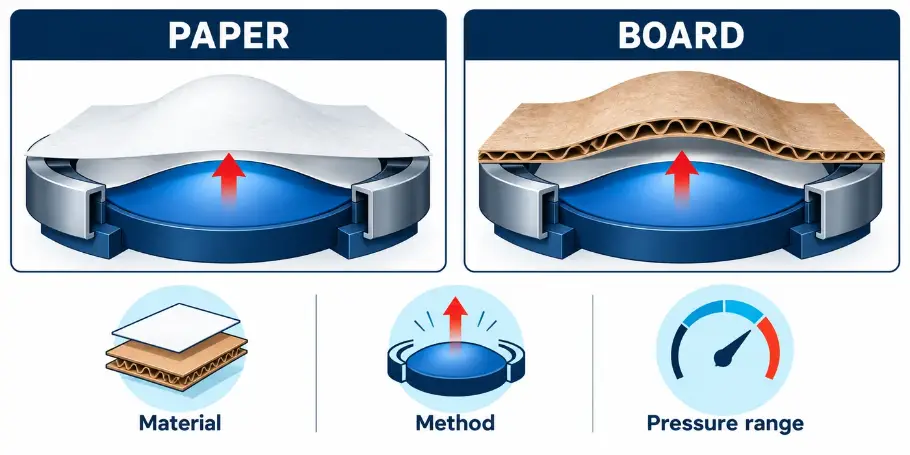
Describe whether the specimen is general paper, linerboard, fluting, solid board or combined corrugated board. Include grammage, construction and any coating or treatment relevant to sampling and handling.
The public ISO 2758 scope is for paper and directs components of combined board toward ISO 2759. Do not choose solely from an expected value that lies within overlapping numerical ranges. Material role still matters.
If the buyer names TAPPI or an internal method, retain that document as the requirement. Do not silently substitute an ISO procedure because the physical principle looks similar.
Define Your Working Pressure Interval
Use existing reports to describe low, typical and high results. Ask how the configured instrument performs across that interval. Display resolution, maximum pressure and measurement accuracy are separate specifications.
A lower result can be inside the display range but outside an appropriately verified interval. A higher result can exceed the instrument even when it lies within the selected method’s broader scope. Compare your actual sample distribution with both the apparatus and method limits.
Keep units consistent. A supplier table that gives rounded kPa and kgf/cm² figures should not be treated as an exact conversion. Request a final specification in the reporting unit used by your laboratory.
Compare the Complete Head and Consumables
| Clamping system | Opening geometry, contact condition and pressure arrangement for the procedure |
|---|---|
| Diaphragm | Material/configuration and replacement scope for the selected head |
| Hydraulic delivery | Fluid and controlled delivery appropriate to the configured method |
| Pressure measurement | Verified range, accuracy basis and verification access |
| Accessories | Specimen tools, reference material and listed spares actually included |
Check whether “paper and board” refers to a configurable product family, two heads in one package, or an apparatus that needs a changeover. These are different commercial scopes.
Ask how the laboratory will identify the installed head and matching diaphragm. A spare that fits physically is not enough to show it belongs with the selected method.
Review Operation and Data Output
For routine QC, compare sample positioning, clamp actuation, test start, result review and preparation for the next specimen. Use a representative demonstration to assess the workflow rather than promising a universal tests-per-hour value.
Define the record: individual pressure values, accepted/excluded tests, batch identity, units and any summary statistics required by your procedure. Burst index requires grammage and a calculation; ask whether that calculation is included or performed in the laboratory’s own system.
When data export is important, request an example file. An electrical interface or a USB port does not prove the required report format, database integration or audit functionality.
Specify Installation and Acceptance
State the destination electrical supply, available air, stable bench space and service access. Identify customer-supplied utilities in the quotation. Review the protection and operating instructions for the proposed apparatus.
An acceptance plan should cover the ordered configuration, verification documents and the agreed demonstration. Distinguish pressure verification, diaphragm checks and the laboratory’s routine control material. None should be replaced by a marketing phrase such as “fully calibrated”.
Confirm the model-specific manual, consumables, service responsibilities and delivery terms. Avoid comparing a basic quotation with a fully configured quotation as if the prices represented the same supply.
Make the Enquiry Easy to Answer
For an initial request, send material and required method. Add the expected pressure or an existing report if known. Detailed utilities and document requirements can follow once the configuration route is clear.
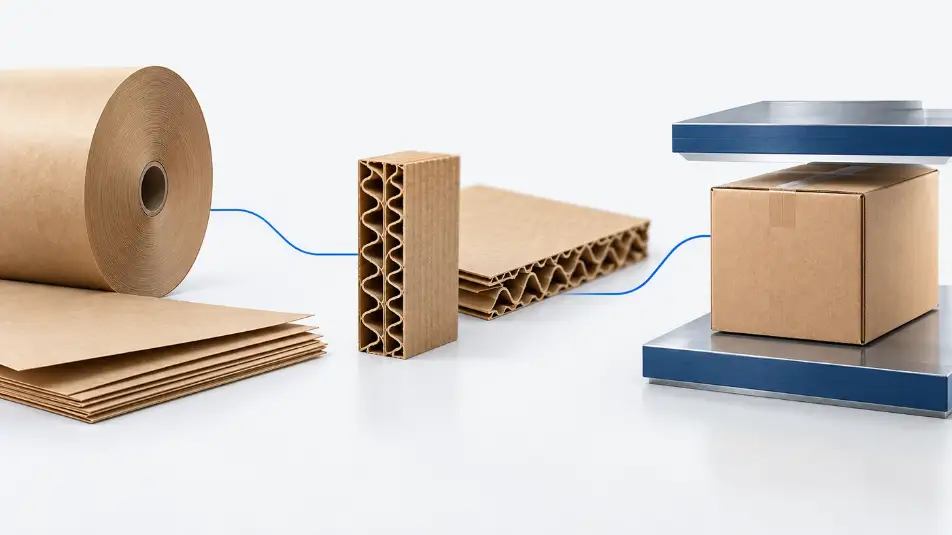
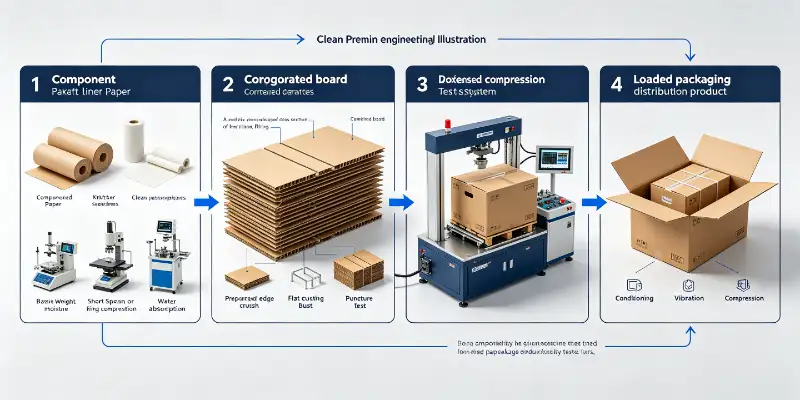
Review the DR-B201 automatic bursting strength tester for its listed paper and paperboard configurations. Where the end decision is finished-box load bearing, use box compression equipment instead of interpreting sheet burst pressure as stacking capacity.
Request a Defined Burst-Tester Configuration
Ask for the selected head, measurement interval, accessory list, output functions and installation requirements in one quotation scope.