

E-commerce Packaging Testing for Fragile Products
Date: October 21, 2026 Categories: Packaging & Logistics Testing Solutions Views: 2831
APPLICATION FOCUS
Start with the Damage You Need to Prevent
A parcel can arrive with an intact outer carton and a damaged product inside. For ceramics, glassware, decorative items and delicate assemblies, packaging evaluation needs to examine both the shipping container and the protected item. The practical question is whether the complete packed product remains acceptable after the relevant transport exposures.
This application guide is for packaging engineers comparing designs, quality teams investigating returns and buyers planning in-house test capability. Start with the actual damage: fracture, scratches, loose parts, leakage or loss of function. Then define what evidence would show that a revised package addresses that problem.
02 / APPLICATION GUIDE
Treat the Product and Package as One Specimen
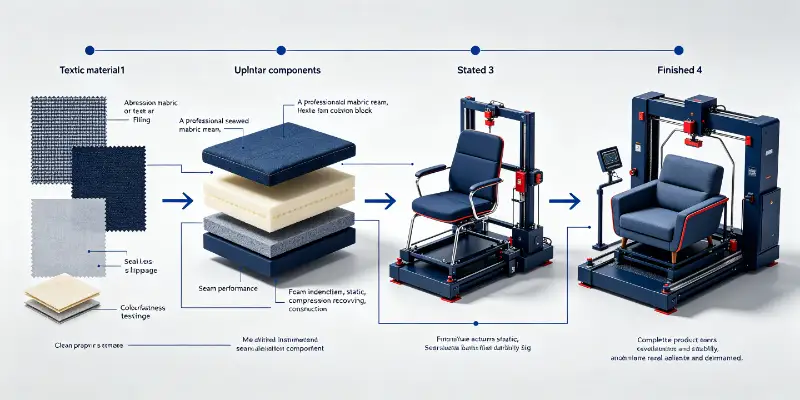
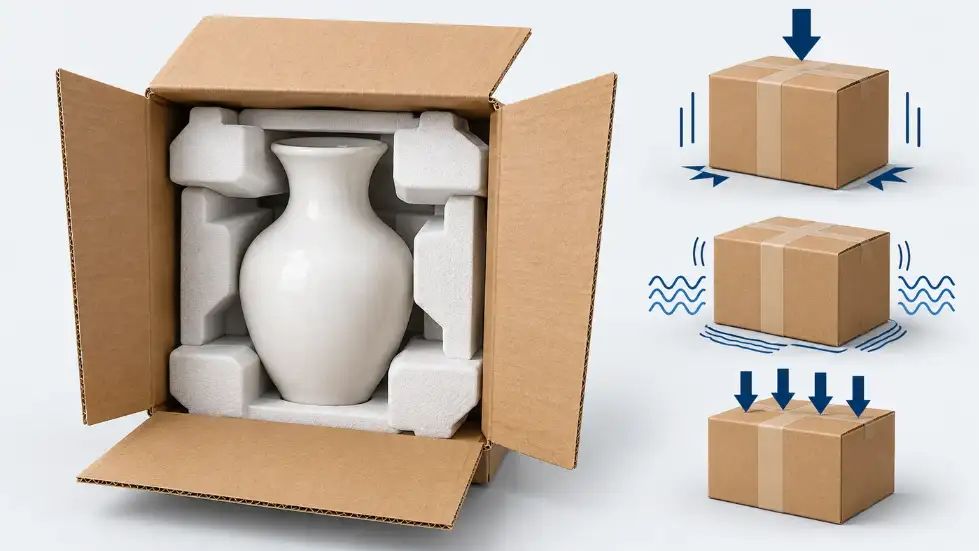
Prepare the same configuration that will be shipped: product, accessories, individual wrapping, separators, cushioning, carton and closure. Identify the packing instructions and the version being evaluated. An empty box or a substitute object with a similar mass does not necessarily reproduce the response of the real item.
The product
Record mass, fragile features, protrusions, finish and the functional inspection needed after testing.
The protection
Document cushioning location, support points, clearance, dividers and any opportunity for parts to contact one another.
The shipping unit
Record loaded dimensions, gross mass, carton construction, closure and whether another outer pack is used.
If returns show several distinct failure patterns, keep them separate in the investigation. A cracked handle and a crushed carton corner may require different design changes even when they appear in the same shipment.
03 / APPLICATION GUIDE
Connect Shipping Hazards to Test Capability
| Question | Useful capability | What must match |
|---|---|---|
| What happens during a handling impact? | Controlled drop testing | Loaded mass, release mechanism, height and required face, edge or corner orientation. |
| Can repeated motion change protection or damage the product? | Vibration testing | Payload, table size, restraint and the specified motion/profile. |
| Does the package resist the required top loading? | Compression testing | Platen area, force range, travel, control mode and the complete loaded specimen. |
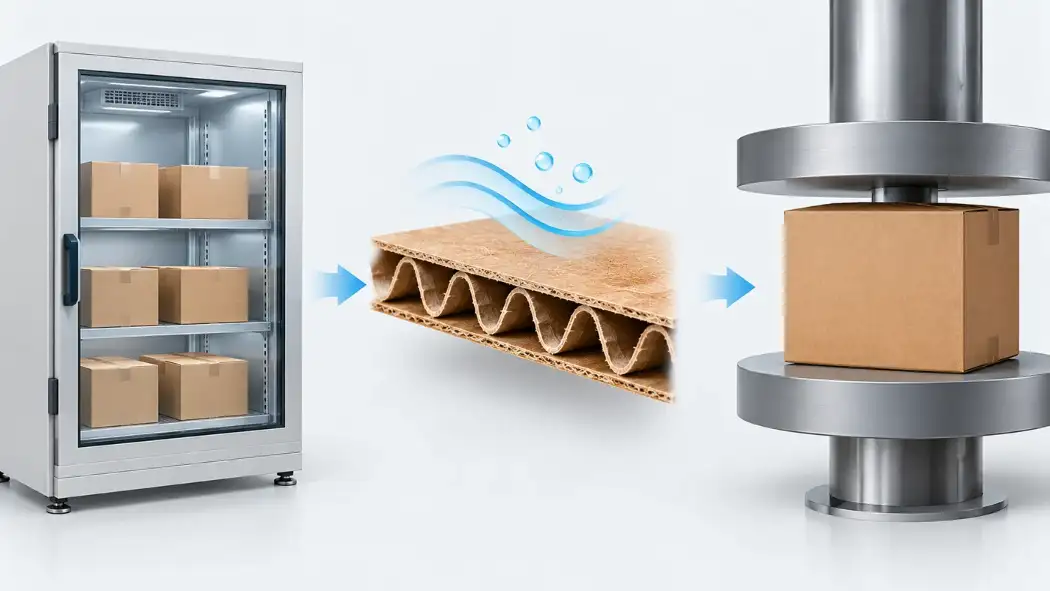
| Does the specified climate affect the evaluation? | Environmental conditioning | Exposure, specimen space, transfer timing and the selected procedure. |
These are capability categories, not a prescribed test sequence. The responsible customer or laboratory selects the governing procedure, severity and order. A simple transport-simulation table must not be described as a substitute for every random-vibration requirement.
04 / APPLICATION GUIDE
Choose the Route Before the Procedure
Identify whether the product moves directly to the consumer, through a retailer fulfilment operation or as part of a freight shipment. Include repacking and overboxing where they occur. A package that looks like a small parcel can still have a different upstream handling history.
ISTA distinguishes parcel and retailer e-commerce distribution applications. Select the applicable procedure with the responsible parties; do not choose it only because the term “e-commerce” appears in a description. Use the current authorized document for the actual exposures and apparatus requirements.
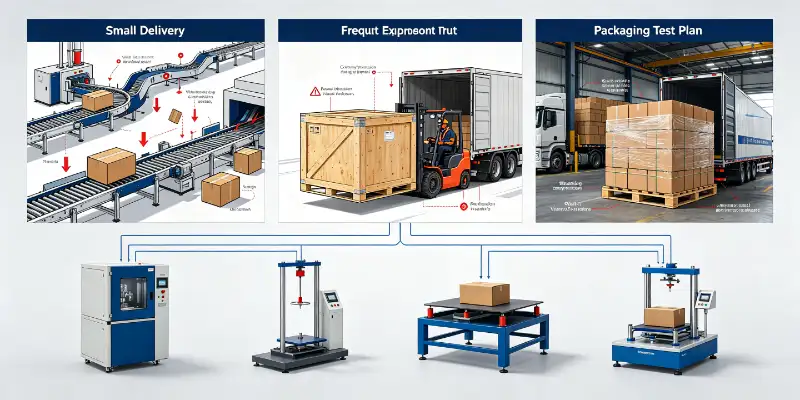
For a broader planning framework across parcel, freight and unit loads, use the distribution packaging test plan. This page focuses on protecting fragile products rather than replacing that general framework.
05 / APPLICATION GUIDE
Make Design Comparisons Reproducible
01Set the acceptance criteria
Define product function, visible damage, leakage, containment and any permitted cosmetic changes before testing. Record who makes the disposition.
02Control the comparison
Identify the changed component and keep other relevant conditions consistent. Use the sample count and conditioning required by the agreed plan.
03Inspect at the required points
Record the package and product condition, cushioning movement and observations without introducing unauthorized changes to the prescribed sequence.
04Link the evidence to the decision
Keep photographs, settings, specimen identity and individual outcomes together. Compare with shipment feedback before extending conclusions to other products or routes.
Passing one laboratory evaluation is not a promise of damage-free delivery. A design change, new supplier or different product mass may require a new review.
06 / APPLICATION GUIDE
Build the Equipment Scope Around Your Parcels
Drop capability
Compare packaging drop testers by the loaded parcel, release and orientation requirements—not by the product name alone.
Vibration capability
Review vibration test systems against the required waveform, payload and control arrangement.
Compression capability
Review packaging compression testers for the loaded dimensions, force and test control.
Before purchasing, request a configuration list and a representative demonstration scope. Separate the main machine, fixtures, instrumentation, software output and installation requirements. A collection of individual machines does not automatically constitute a complete procedure-capable laboratory.
07 / APPLICATION GUIDE
Questions from Packaging Teams
Should I test the empty carton first?
Material and empty-container checks can support development, but the protective evaluation needs the complete shipping configuration specified by the test plan.
Can I use one test for all fragile products?
Not automatically. Geometry, mass, fragile features, packaging and distribution route can change the required evaluation. Document any justified grouping.
What should I send before requesting equipment?
Start with a product photograph, packed dimensions and mass, the shipping route and the damage or requirement you need to address. You do not need to know the machine model first.
YOUR APPLICATION, YOUR TEST REQUIREMENT
Tell Us What Arrives Damaged
Send your product, packed size and weight, and the problem you want the test to reveal. Add the customer procedure if you already have one.