Material testing equipment configured for your test method and specimen.

DERUI manufactures material testing equipment for quality control and R&D.
WhatsApp Consultation:+86 135 2795 8363
DR-C320 Differential Scanning Calorimeter

DR-C320 Differential Scanning Calorimeter

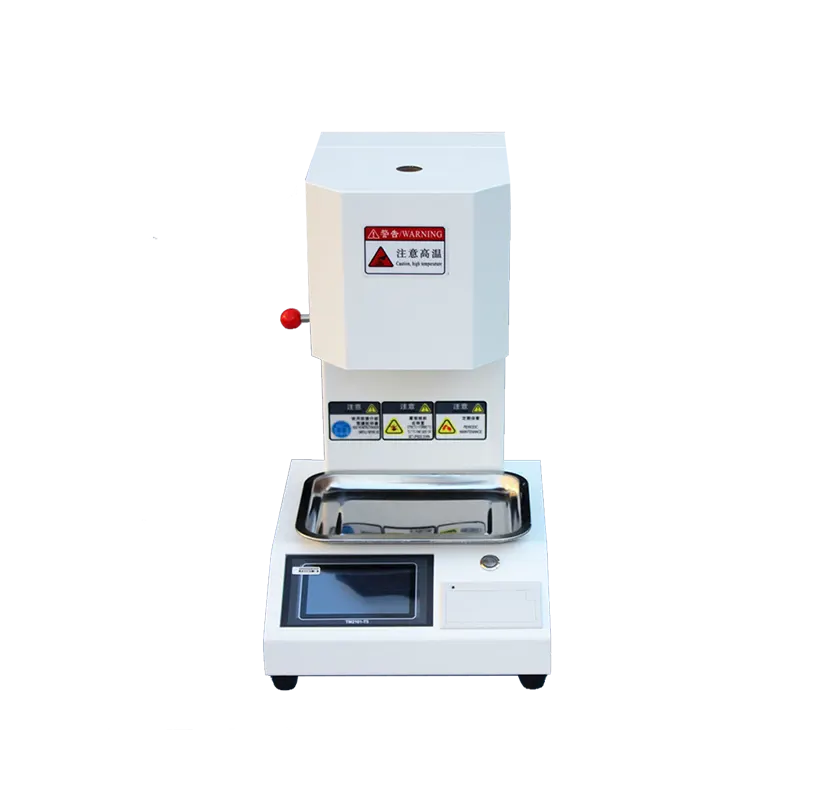
DR-C307 Melt Flow Index Tester (MFR & MVR)

DR-C307 Melt Flow Index Tester (MFR & MVR)

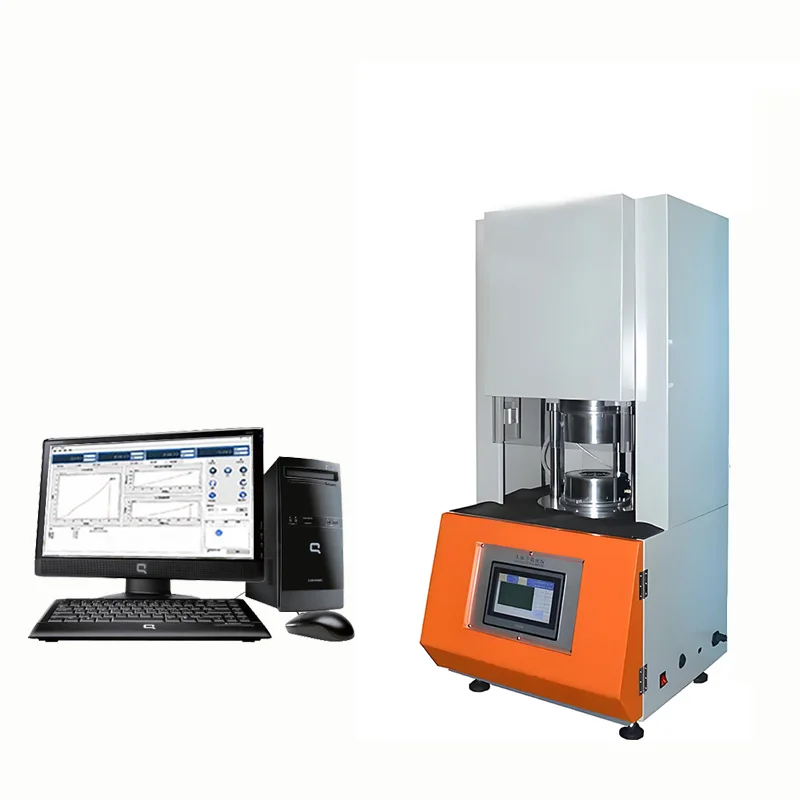
DR-C301 Rubber Rotorless Rheometer (MDR Curemeter)

DR-C301 Rubber Rotorless Rheometer (MDR Curemeter)

DR-C303 Digital Charpy Pendulum Impact Tester (ISO 179 & ASTM D6110)

DR-C303 Digital Charpy Pendulum Impact Tester (ISO 179 & ASTM D6110)

Select by material state and required result

Rubber and Plastic Testing Equipment for Process and Material Evaluation

Rubber compounds and thermoplastics do not follow one testing pathway. Start with the material state, the decision the result must support and the current procedure, then select the instrument principle, specimen preparation and measurement configuration.

Request a Polymer Test Configuration →
01 · RUBBER & ELASTOMERS

Review cure behaviour before physical performance

For uncured or compounded rubber, confirm whether the decision concerns vulcanization behaviour, processing consistency or a finished elastomer property.

Rotorless rheometerCure curve and method-defined vulcanization characteristics
DSC thermal analysisMethod-dependent thermal transitions and reaction behaviour
02 · THERMOPLASTICS

Separate flow, thermal and impact questions

For pellets, moulded specimens or finished materials, define whether the required evidence concerns melt flow, thermal behaviour or resistance to a specified impact method.

Melt flow index testerMethod-defined MFR or MVR under selected conditions
DSC and Charpy systemsThermal analysis or pendulum impact using the applicable specimen
Configuration inputs

Material and state · current method/revision · specimen and preparation · required result and range · test frequency · reports · destination and utilities

One category, four different measurement principles

Choose the Result Before the Instrument

Rubber and plastic tests cannot be selected from the material name alone. Define the material state and the production or design decision, then match it to the applicable measurement path.

RUBBER · CURE BEHAVIOUR

Rotorless rheometer

Review method-defined vulcanization characteristics of an uncured or compounded rubber specimen under controlled test conditions.

Confirm: compound · method · temperature · result set
POLYMER · THERMAL BEHAVIOUR

DSC thermal analysis

Investigate specified thermal transitions or reaction behaviour using the required sample preparation, atmosphere and temperature program.

Confirm: material state · program · atmosphere · output
What decision must the result support?Incoming inspection · formulation · process control · qualification · failure analysis
PLASTIC · MELT FLOW

Melt flow index tester

Determine method-defined mass or volume flow behaviour under the selected temperature, load and specimen preparation conditions.

Confirm: resin · condition · load · MFR/MVR
PLASTIC · IMPACT RESPONSE

Charpy pendulum system

Measure impact behaviour using the prescribed specimen geometry, notch preparation, conditioning and pendulum configuration.

Confirm: specimen · notch · conditioning · energy range
01Material state

State whether the sample is raw rubber, compound, vulcanized elastomer, thermoplastic pellet, moulded bar, sheet or finished part.

02Method and revision

Provide the governing ASTM, ISO, customer or internal procedure and the edition currently used by your laboratory.

03Specimen preparation

Define mass or dimensions, cutting or notching, moulding history, conditioning, orientation and handling before the test.

04Program and range

Confirm temperature, load, torque or energy range, heating/cooling or time sequence, atmosphere and expected result window as applicable.

05Workflow

List batches, tests per shift, changeover and cleaning needs, operators, method storage and any unattended sequence requirements.

06Data and site

Specify calculations, report fields, raw-data retention, user control, utilities, available space and destination-country requirements.

Use Polymer Test Data Across the Production Workflow

Rubber and plastic laboratories share quality objectives, but the material states and decision points differ. Keep each result tied to the stage where it changes formulation, processing or product release.

TRACK ARubber & Elastomers
Compound development

Compare cure behaviour or thermal response under a controlled method.

Mixing control

Monitor batch-to-batch changes before vulcanization or moulding.

Cure-window review

Use rheometer outputs to support method-defined process decisions.

Finished-property testing

Route tensile, abrasion, ageing or other properties to the appropriate system.

TRACK BThermoplastics
Resin identification

Use specified thermal or flow evidence to compare incoming material.

Processability control

Monitor MFR or MVR under the exact temperature and load condition.

Specimen preparation

Control moulding, cutting, notching, orientation and conditioning.

Qualification & release

Evaluate the required thermal or impact result against defined criteria.

Selection questions

Rubber and Plastic Testing Equipment FAQs

These answers define category-level equipment boundaries. The applicable product configuration still depends on the current method, specimen and required result.

01Why are rubber and plastic instruments grouped together?

Both are polymer materials, but they do not use one common test path. Grouping helps laboratories review related thermal, processing and mechanical needs; selection must still begin with material state and the property required by the specification.

02Can a rotorless rheometer replace a Mooney viscometer?

No general substitution should be assumed. The instruments address different method-defined characteristics of rubber compounds. Use the instrument and procedure named by the controlling specification.

03What is the difference between MFR and MVR?

MFR expresses mass flow and MVR expresses volume flow under specified test conditions. Confirm which result, conditioning, temperature, load and procedure are required before configuring a melt-flow test.

04Does DSC identify every polymer property?

No. DSC is a thermal-analysis technique used for method-dependent transitions or reactions. It does not replace melt-flow, mechanical, impact, rheological, ageing or finished-product tests.

05What determines the correct Charpy configuration?

The current procedure, material, specimen dimensions, notch preparation, conditioning, support geometry, striker and expected absorbed-energy range all affect the required configuration.

06Why can two laboratories obtain different polymer results?

Differences can arise from material history, sampling, specimen preparation, conditioning, method edition, apparatus configuration, calibration or verification, test program and calculation. Align these factors before comparing final values.

07Can one machine cover tensile, flow, thermal and impact tests?

No. A configured universal testing machine may perform compatible static mechanical methods, but melt flow, DSC thermal analysis, rubber cure testing and pendulum impact use different measurement principles and dedicated apparatus.

08What should I send before requesting a quotation?

Send the material and state, current method and revision, specimen information, required results and expected range, test frequency, report needs, destination country, utilities and any acceptance or documentation requirements.

Prepare the technical brief

Request a Rubber or Plastic Test Configuration

A useful quotation begins with the required result and method—not a generic machine name.

  • Material and current state
  • Method and revision
  • Specimen and preparation
  • Expected result range
  • Program and throughput
  • Reports and traceability
  • Destination and utilities
  • Acceptance requirements
Let the procedure define the system.

DERUI can review the applicable instrument principle, measurement range, sample accessories, test program, data outputs and site requirements before preparing the supply scope.

Send Your Testing Requirement →

Final compatibility is confirmed for the selected model and complete configuration.

WhatsAppWhatsApp
WhatsApp
MessageMessage

Send Inquiry