
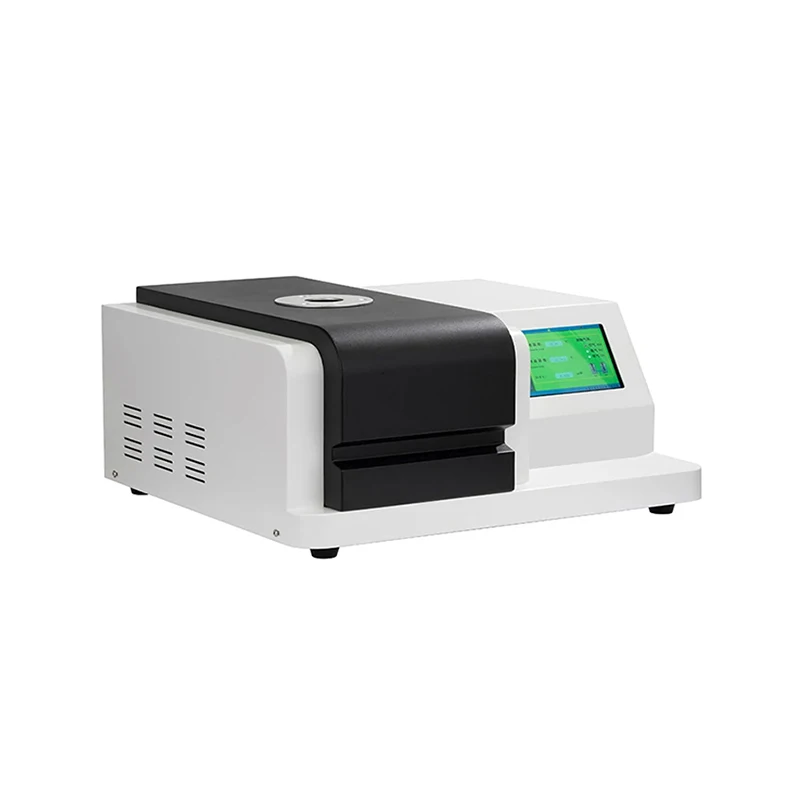



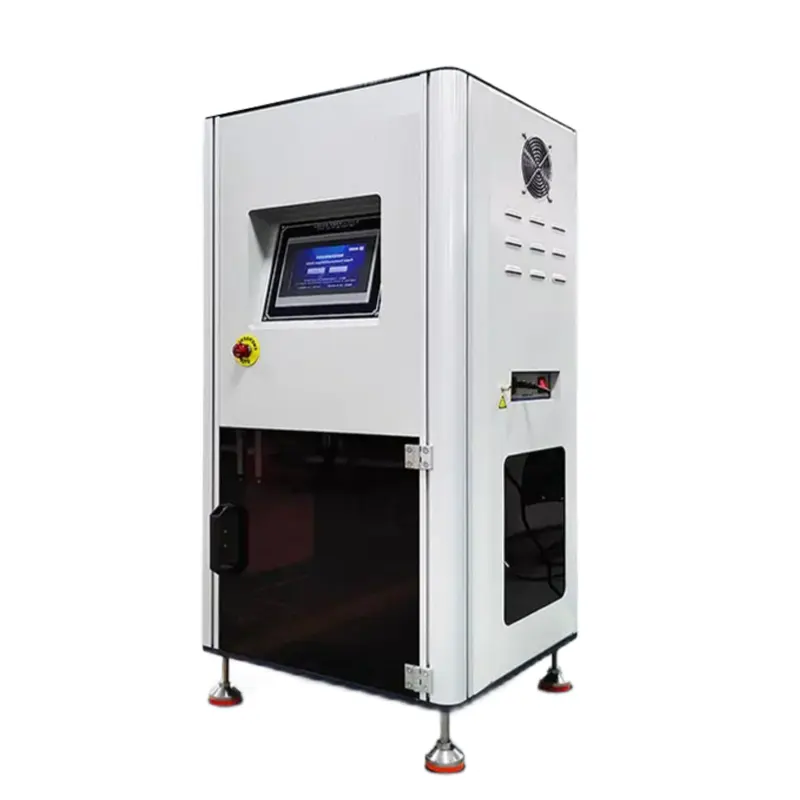
DR-C320 Differential Scanning Calorimeter
The DR-C320 records differential heat-flow response as a sample and reference follow a programmed temperature profile. Properly configured methods can identify glass-transition behaviour, melting and crystallization temperatures, transition enthalpies and selected curing or oxidation-related events.
Quick answer: choose a DSC from the required event and temperature program—not from maximum temperature alone. Define the sample, expected transition, heating/cooling range and rate, purge gas, pan type, calibration materials and calculation/reporting method before ordering.

What a DSC Curve Can Show
Glass transition
A baseline step can be evaluated for Tg and step height using a defined construction and thermal history.
Melting and crystallization
Peaks can provide onset/peak temperatures and integrated enthalpy under controlled heating or cooling.
Curing or reaction
An exothermic or endothermic event can support reaction-temperature and enthalpy analysis when the method and pan are suitable.
Build a Reproducible DSC Method
A comparable curve requires control of sampling, pan, atmosphere, calibration, thermal history and data treatment—not only the same instrument model.
Define the question
Select Tg, melting, crystallization, cure, oxidation-related response or heat capacity and the governing method.
Prepare sample and pan
Control representative sampling, mass, contact, lid/seal, reference pan and volatile or reactive behaviour.
Calibrate and program
Verify temperature and heat-flow/enthalpy response, then set atmosphere, rate, isotherms and cycles.
Run and evaluate
Record raw curve, baseline, onset/peak/step construction, integration limits, sample mass and all calculations.
Thermal-history rule: first heating can reflect processing and storage history. A controlled cooling and second heating may answer a different material question; report the cycle used for every result.
DSC Standards and Method Pathways
| Method | Reported result | DR-C320 configuration review |
|---|---|---|
| ISO 11357-1:2023 | General DSC principles, apparatus, sampling, calibration, procedure and report framework. | Use as the base, then select the relevant subsequent part for the actual property. |
| ISO 11357-2:2020 | Glass-transition temperature and associated step height for amorphous or partially crystalline plastics. | Confirm baseline stability, temperature program, cooling and software constructions. |
| ISO 11357-3:2025 | Melting/crystallization temperatures and enthalpies of crystalline or partially crystalline plastics. | Confirm range, rate, atmosphere, calibration, integration and thermal-history cycle. |
| ASTM E1356 | Glass-transition temperatures by DSC or DTA. | Confirm current edition, sample, scan program and reported Tg construction. |
| ASTM E1269-24 | Specific heat capacity by DSC for applicable thermally stable solids and liquids. | Requires the complete comparative method, reference material and Cp workflow—not a generic DSC scan. |
Compatibility rule: citing an ISO or ASTM number is not enough. The ordered temperature range, cooling, atmosphere, pans, calibration materials, software and verification evidence must support that method.
Choose DSC for Heat-Flow Events
A thermal event in a DSC curve does not automatically identify decomposition, mechanical softening or processing flow.
DSC · DR-C320
Measures differential heat-flow response to a controlled temperature program.
TGA
Measures mass change versus temperature/time; use it to investigate decomposition or volatile loss directly.
DMA / rheology
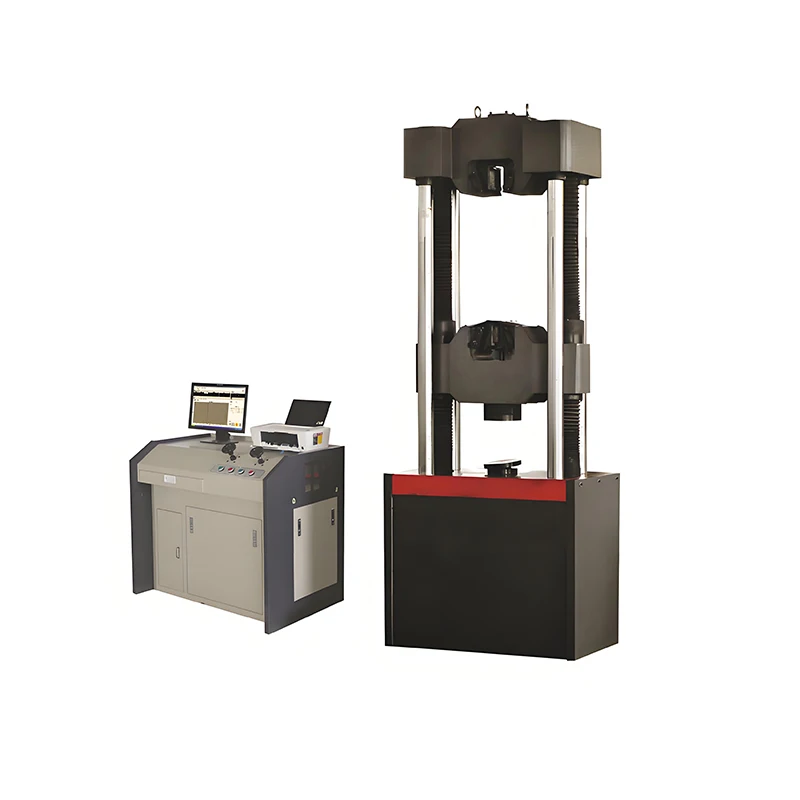
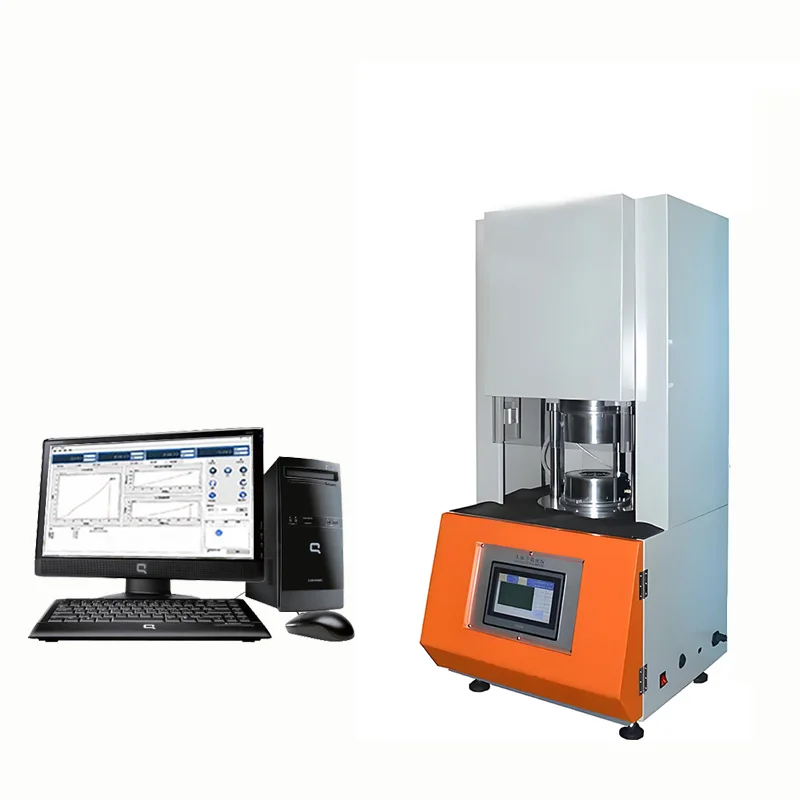
Measures mechanical or viscoelastic response. Rubber cure behaviour belongs to a dedicated rheometer method.
Melt flow index
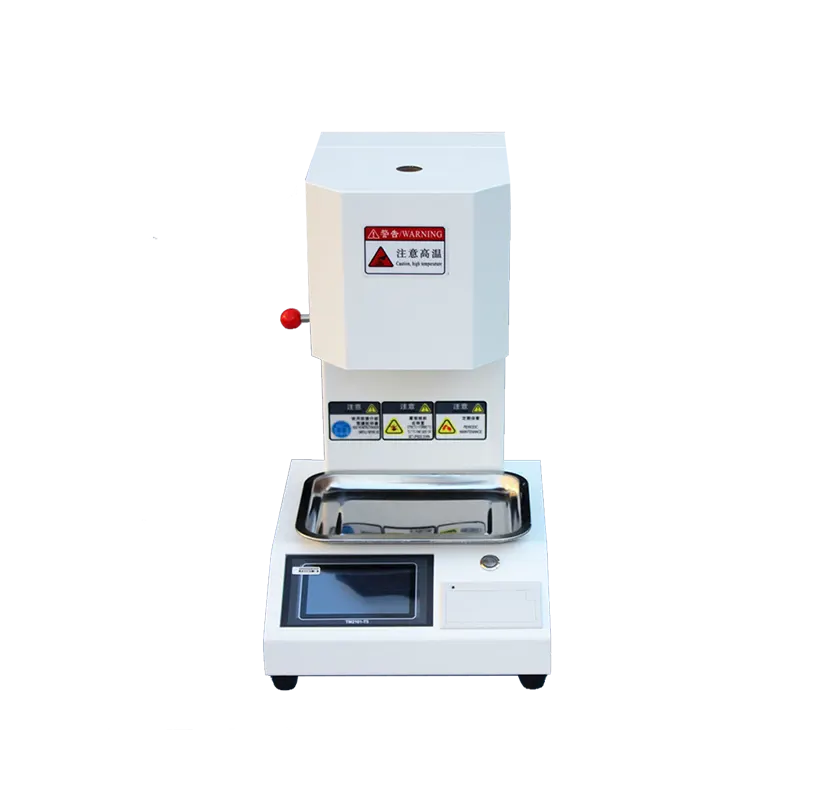
Measures polymer melt flow under a specified temperature and load—not transition enthalpy.
Control the Main Sources of Invalid DSC Data
Non-representative sample
Control location, particle size, homogeneity, mass and contact with the pan.
Wrong pan or seal
Volatile, reactive or pressure-generating samples require a compatible pan and approved handling.
Calibration mismatch
Temperature and enthalpy calibration must cover the actual range, rate and atmosphere where applicable.
Atmosphere error
Purge-gas identity, flow, dryness and switching can change baselines and reaction pathways.
Thermal lag
Sample mass and scan rate can shift peaks or distort separated events; keep method conditions consistent.
Baseline over-processing
Document blank subtraction, smoothing, baseline choice and integration limits; preserve raw data.
Build a Verifiable DR-C320 RFQ
Send a representative sample and expected thermal event so the range, pans, atmosphere, cooling and software can be reviewed together.
Material and decision
- Polymer, blend, elastomer or thermoset
- Expected transition/reaction
- Required output and acceptance limit
- Standard and current edition
Temperature program
- Start/end temperatures
- Heating and cooling rates
- Isothermal segments and cycles
- Required sub-ambient cooling
Sample environment
- Sample mass and preparation
- Pan/lid/sealing requirement
- Purge or reactive gas
- Volatile/pressure/safety concerns
Data and evidence
- Calibration materials and intervals
- Raw curves and calculations
- FAT sample and acceptance checks
- Power, computer, manuals and training
DR-C320 DSC FAQs
01What does a differential scanning calorimeter measure?
02Can the DR-C320 measure glass transition temperature?
03Does DSC directly measure polymer decomposition?
04Why can first and second heating give different results?
05Can DSC calculate crystallinity automatically?
06What is needed for a DR-C320 proposal?
Define the complete DSC method: sample + event + range + rate + atmosphere + pan + calibration + calculation.