Confirm Before Selection
Package gross weight, dimensions and centre of gravity
Required drop height, face, edge and corner orientations
Support and release arrangement, landing area and test procedure
Material testing equipment configured for your test method and specimen.
PACKAGE TESTING CAPABILITIES
Build or expand your packaging test lab with equipment selected for the packed product, shipping conditions and test procedure. Compare drop testers, vibration systems, compression testers and environmental chambers for your required tests.
Derui supplies packaging testing equipment for evaluating packaged products under defined handling, transport and conditioning conditions. Share the package dimensions, gross weight and required procedure so the equipment configuration and site requirements can be reviewed.
Request an Equipment Recommendation →Test procedure not yet selected? Send your package details and shipping format to start the discussion.
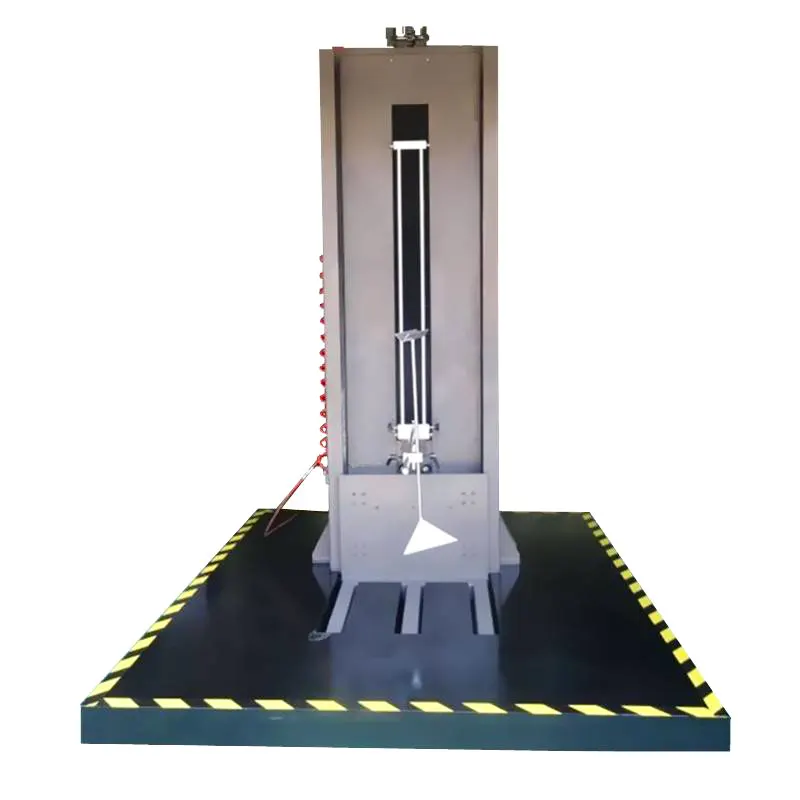
HANDLING IMPACTS
Package: gross weight, dimensions and centre of gravity
Drop setup: height, orientation and release arrangement
Assessment: product condition and package acceptance criteria
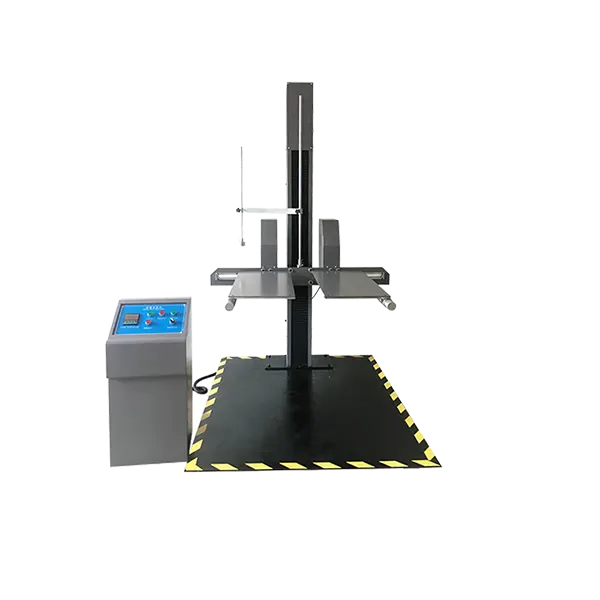
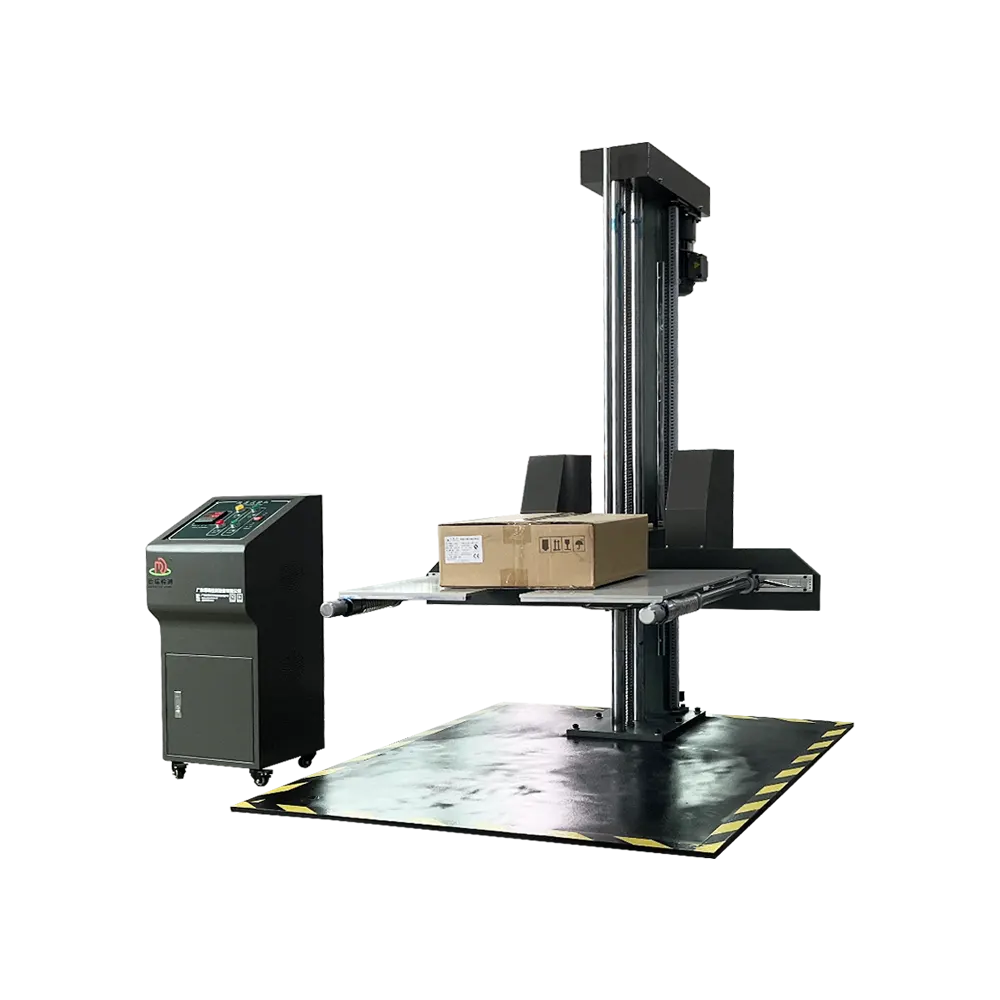
Evaluate how a packed product responds to defined drops during handling. Select the tester around the package’s gross weight, dimensions, required drop height and face, edge or corner orientation.
Review the single-wing model below for its load rating, support geometry and release arrangement. Confirm that the complete setup can perform the required drops, then assess the product and packaging against the agreed acceptance criteria.
View Drop Testers →TRANSPORT VIBRATION
SELECT BY REQUIRED MOTION
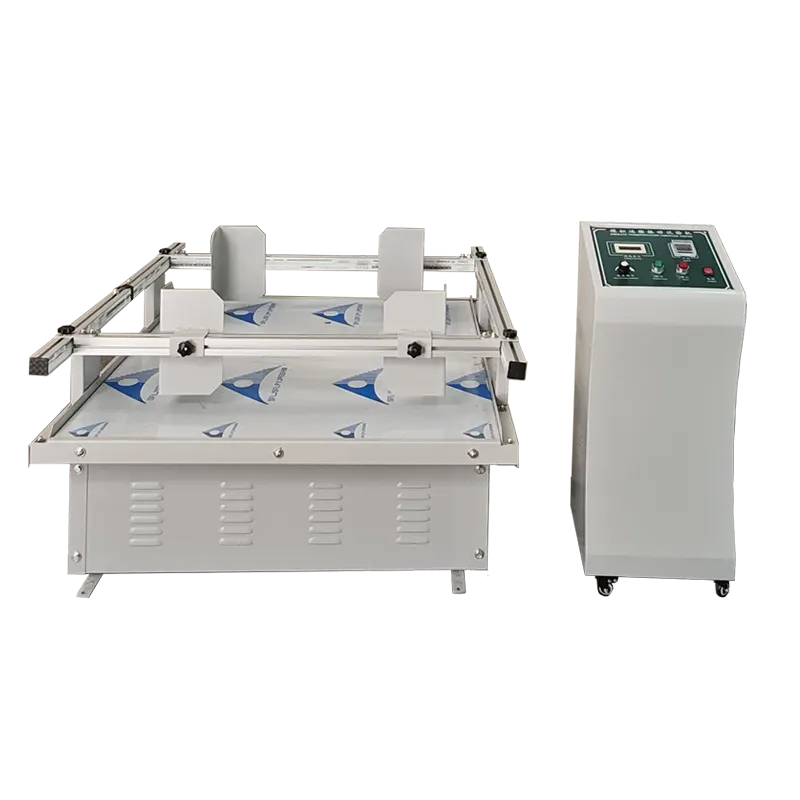
Mechanical: confirm the required repetitive-shock motion, frequency or speed and displacement
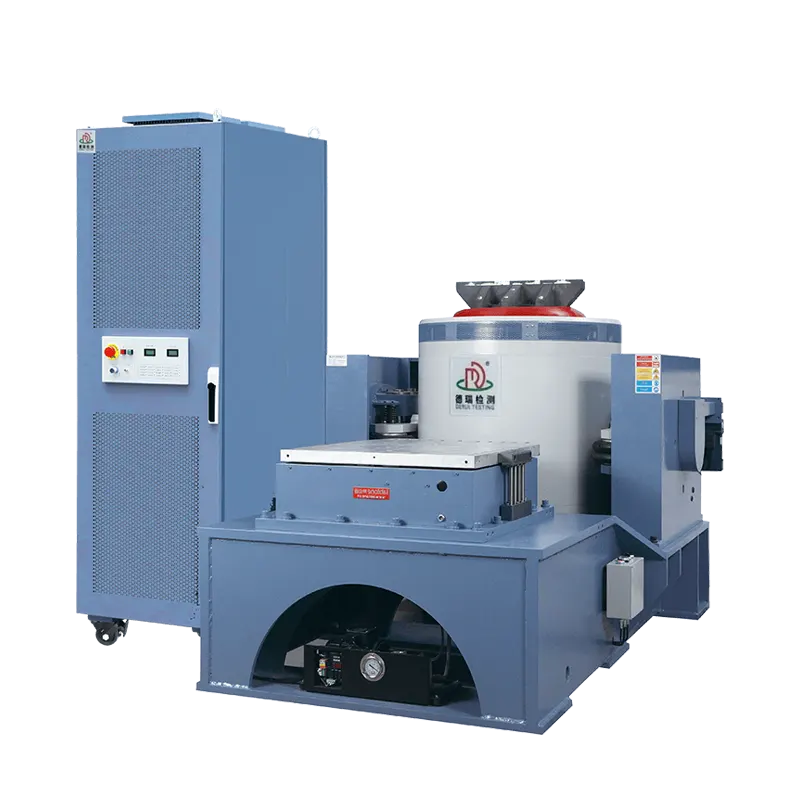
Random: provide the PSD, frequency range, overall level and duration per axis
Test item: define package and fixture mass, dimensions, restraints and centre of gravity
Choose the vibration system from the governing test method and required motion—not from a general “transport simulation” label. Mechanical repetitive-shock tables and closed-loop random vibration systems create and control different inputs.
Before selection, confirm the package, fixture and required profile together with the table size, payload, displacement, frequency range, test axes, duration, control channels and reporting requirements.
Method boundary: Do not assume that one mechanical table can reproduce an arbitrary random PSD, or that one general standards claim covers every procedure.
PACKAGE COMPRESSION
DEFINE THE COMPLETE TEST ITEM
Package: construction, contents, closure, dimensions and conditioning
Loading: force range, platen size, speed, hold time and stop condition
Result: peak force, deformation, load-duration behaviour or defined pass/fail limit
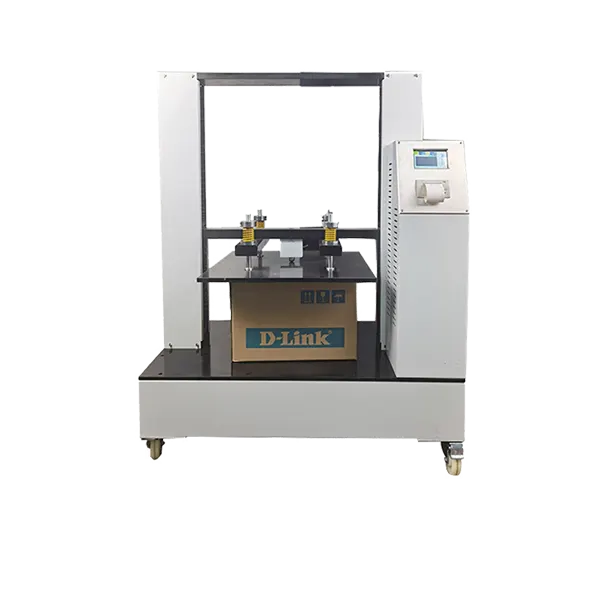
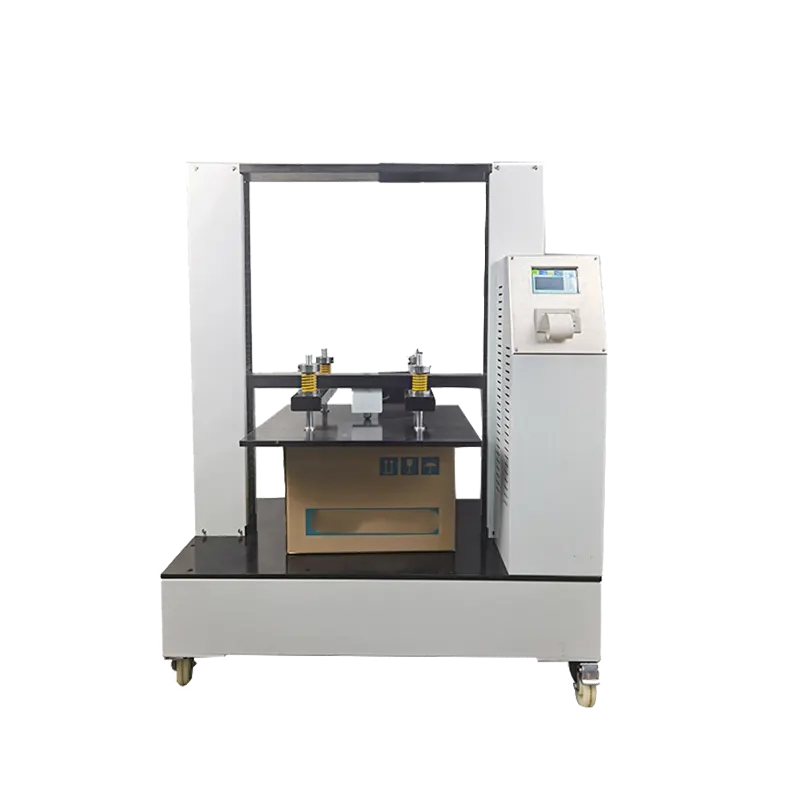
A box compression tester applies a controlled top-to-bottom load to a completed box or packaged product. Use it to measure compression resistance, deformation or performance under a defined load and duration—not to guarantee survival in every warehouse or distribution environment.
Select the system around the largest test item, required working force, usable platen area and opening, loading procedure, measurement range and reporting needs. Package construction, contents, closures, orientation and conditioning must be documented with the result.
Test boundary: Board-level ECT or RCT data and completed-box compression results answer different questions and should not be treated as interchangeable.
PACKAGE CONDITIONING
DEFINE THE EXPOSURE
Test item: package, contents, dimensions, mass and loading arrangement
Climate: temperature, relative humidity, duration, tolerances and sequence
Follow-on test: drop, vibration, compression or inspection after conditioning
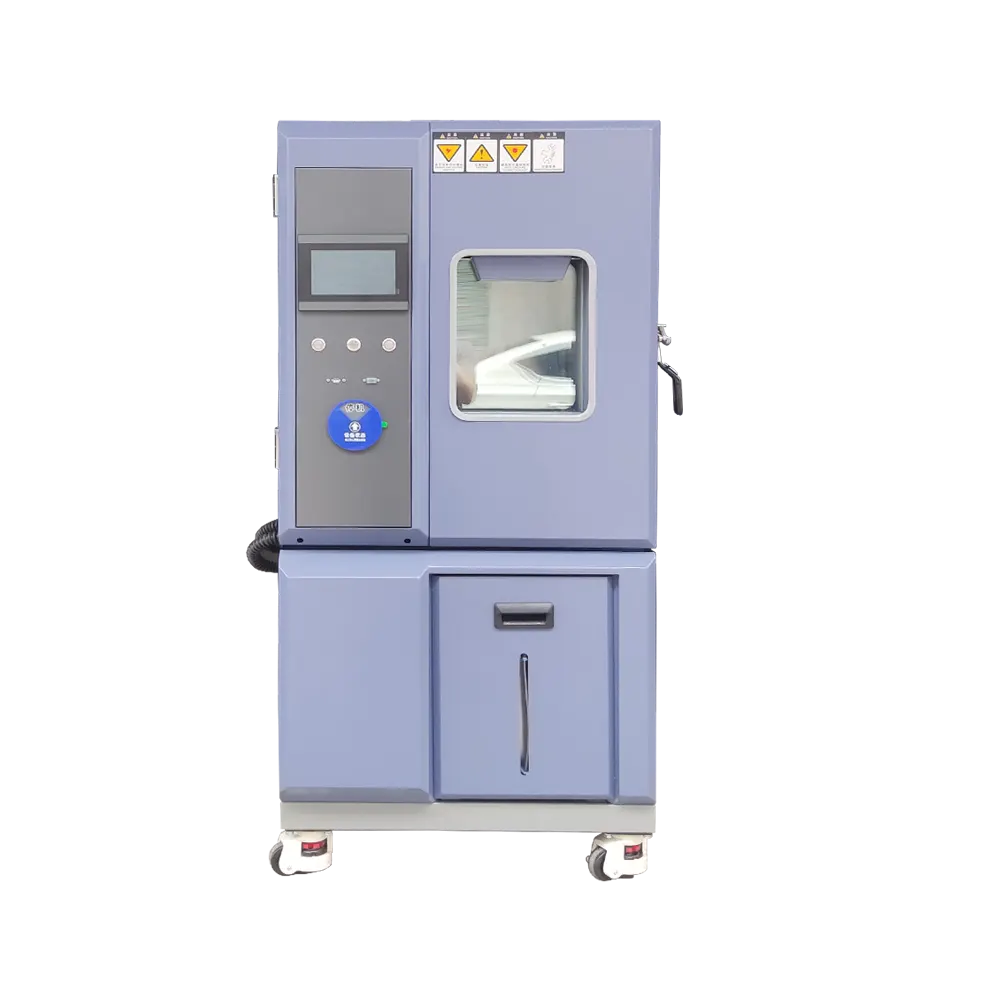
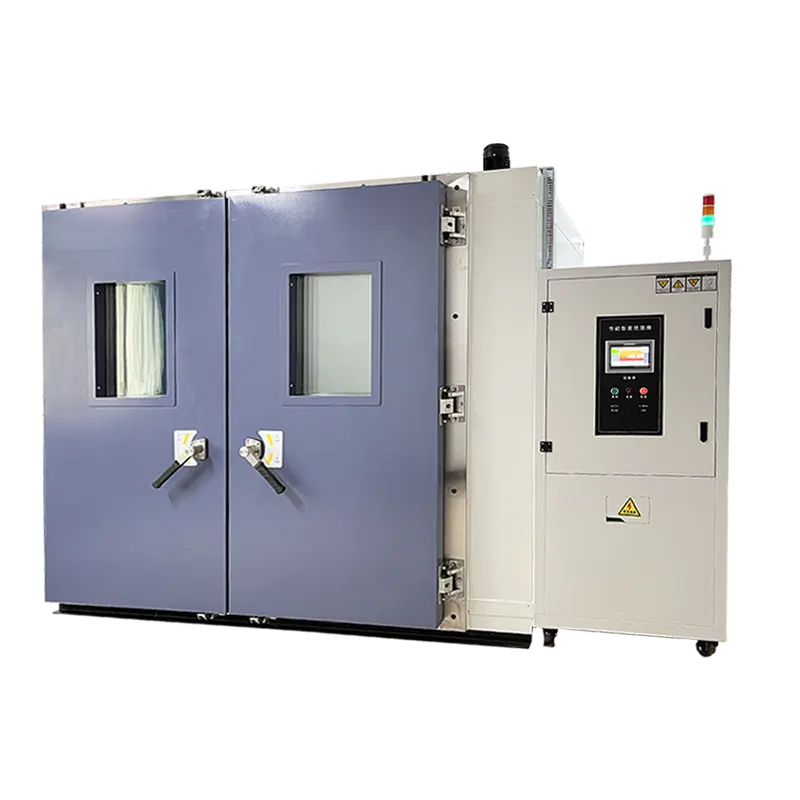
Use controlled temperature and humidity conditioning to place packages, components or packaging materials in the atmosphere required by the test plan before subsequent measurement or distribution testing. Select a chamber that can accommodate the complete load while maintaining the required conditions around it.
Define the specimen, loading density, temperature and humidity setpoints, exposure time, allowable tolerances, monitoring and recovery requirements. For large packages or pallet loads, also confirm door access, floor loading, airflow clearance and handling arrangements.
Method boundary: ASTM D4332 defines conditioning atmospheres and procedures; conditioning alone does not demonstrate that a package passes drop, vibration, compression or a complete distribution sequence.
LAB CONFIGURATION
A reliable lab starts with the tests you must perform—not a generic equipment list. Map each required procedure to the package range, test sequence, measurement channels and operating workflow before selecting the system.
TEST PROGRAM
Identify the governing ISTA, ASTM, ISO, retailer or internal procedure and break it into conditioning, drop, vibration, compression and inspection steps. Confirm the apparatus and sequence required by the current procedure.
PACKAGE & THROUGHPUT
Define package dimensions, gross mass, centre of gravity, pallet format, batch quantity and test frequency. Use these inputs to check table area, chamber volume, load capacity, access and handling needs.
DATA & CONTROL
List the required force, acceleration, displacement, temperature, humidity or pressure channels, together with tolerances, sampling, calibration status, raw-data export and report fields.
INSTALLATION & SUPPORT
Review floor space, foundations, electrical and air supply, ventilation, safety clearance, sample movement, installation responsibilities, training scope, calibration route, maintenance and spare-parts support before ordering.
Send your test procedures, package dimensions and mass, expected throughput, required results, available space, utilities and destination country. Derui can then review the equipment scope and identify the items that still require confirmation.
APPLICATION PLANNING
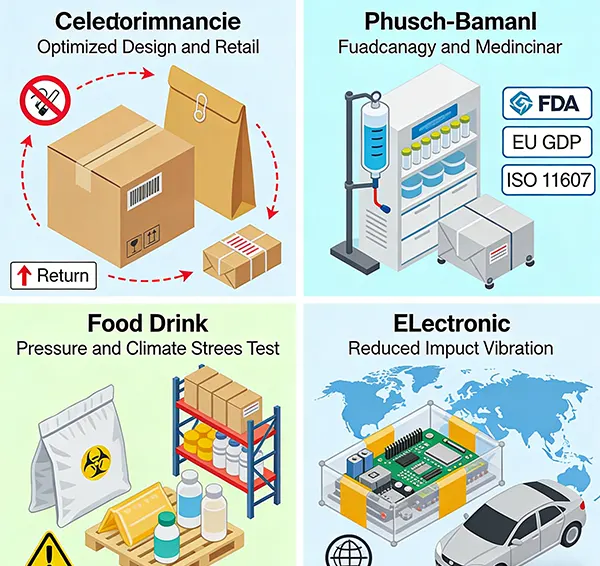
The right test plan depends on the product, package and distribution route. Use the likely hazards below to define the first equipment capabilities to review, then confirm the governing customer, retailer or regulatory procedure.
E-COMMERCE & RETAIL
Review repeated handling impacts, vibration, stacking and package size or weight limits for the intended parcel network.Prioritize: drop, vibration and compression testing.
MEDICAL & PHARMACEUTICAL
Define the distribution sequence, climatic exposure and package-integrity acceptance criteria from the applicable protocol. Specialized sterile-barrier or thermal qualification may require capabilities beyond the equipment shown on this page.Prioritize: conditioning, transport simulation and documented inspection.
FOOD & BEVERAGE
Consider stacked storage, handling impacts, vibration, temperature and humidity for the actual container and route. Shelf-life, seal integrity and food-safety claims require their own methods and acceptance criteria.Prioritize: compression, drop, vibration and conditioning.
ELECTRONICS & AUTOMOTIVE
Use product fragility, package mass, centre of gravity, restraint and route profile to set the test severity. Define functional inspections before and after the sequence.Prioritize: controlled drop or shock, vibration and compression.
Planning boundary: These are capability priorities, not a universal test sequence or certification statement. Final equipment and parameters must follow the current procedure, specimen range and customer-defined pass/fail criteria.
TESTING FUNDAMENTALS
A packaging validation lab evaluates the packaged product as a complete system—the product, inner protection, closure and shipping container. It converts a documented procedure into a controlled sequence of conditioning, mechanical testing, inspection and reporting.
Record the product and package configuration, dimensions, gross mass, centre of gravity, shipment mode and known distribution hazards. Select the current customer, retailer, ISTA, ASTM, ISO or internal procedure and define what constitutes damage or failure.
Document the specimen, closure method, loading arrangement and initial condition. Apply the temperature, humidity or pressure conditioning required by the procedure, including exposure time, tolerances and any transfer or recovery limits.
Perform the specified drop or shock, vibration and compression elements in the required order and at the stated severity. Use equipment whose working range, test space, controls and measurement channels cover the complete test configuration.
Record the equipment configuration, test parameters, observations, package damage and product functional checks. Compare the evidence with the pre-defined acceptance criteria and retain the data needed for review or repeat testing.
Result boundary: The findings apply to the tested specimen, configuration, procedure, severity and acceptance criteria. They do not guarantee every shipment or automatically establish regulatory approval.
01 · TEST PROGRAM
Choose the procedure from the distribution channel, package type, mass and test objective—not from the most familiar standard number.
Example: ISTA 3E applies to similar packaged-products in unitized loads for full-truckload shipment; ASTM D7386 applies to packages up to 150 lb (68 kg) in single-parcel delivery systems.
Start with the testing objective and distribution route—not an equipment shopping list. The laboratory scope should be built from the packaged products, procedures, expected throughput and evidence your organization must produce.
Define screening, design comparison or qualification
State whether the lab will compare prototypes, investigate damage, support routine quality control or execute a specified customer or industry procedure.
Document the complete packaged-product range
Provide package types, minimum and maximum dimensions, gross mass, centre of gravity, pallet formats, contents and handling constraints.
Set throughput, staffing and reporting needs
Estimate batches, test frequency, operators, required records, available space, utilities and the acceptance or review workflow.
Duration cannot be estimated from the number of machines alone. It depends on specimen preparation, conditioning, procedure time, batch size, changeovers, inspections, repeats and report review.
Calculate every dwell, cycle and sequence
Include conditioning, vibration duration, compression hold, drop orientations and stabilization or recovery requirements.
Add setup, movement and inspection
Account for fixture changes, loading, specimen transfer, equipment availability, functional checks and report preparation.
Plan for invalid runs and approved repeats
Define what triggers a repeat, how deviations are reviewed and whether replacement specimens are available.
The decision depends on test frequency, development speed, confidentiality, specimen logistics, required procedures, staffing and the cost of maintaining reliable capability.
Frequent testing and rapid design iteration
An internal lab can shorten feedback cycles when products, suppliers or packaging designs change regularly.
Specialist or infrequent procedures
A qualified third-party lab may be more practical for low-volume work, special apparatus, independent evidence or accreditation requirements.
Screen internally and qualify externally
Many organizations use internal equipment for development and routine checks while reserving formal or specialist work for an external laboratory.
A complete lab is defined by the hazards and procedures it must cover. Common capabilities include conditioning, handling impact, vibration, compression and documented evaluation, but not every laboratory needs every machine.
Condition or expose the package as required
Temperature, humidity or pressure requirements must be taken from the selected procedure and package route.
Reproduce defined handling, transport and storage inputs
Use separate equipment for drop or shock, vibration and compression when the procedure requires those different physical inputs.
Inspect the package and product against criteria
Plan visual inspection, dimensional checks, leak or seal assessment, functional checks and any specialist measurements required after testing.
A test result is useful only when the organization has already defined what constitutes acceptable product and package performance. The equipment does not create pass/fail criteria.
Define damage and functional limits
State allowable cosmetic change, loss of function, movement, leakage, breakage or performance degradation.
Define protection and containment limits
Set criteria for closure, seal, deformation, puncture, crushing, label legibility, load stability and other relevant observations.
Define who reviews and approves the result
Specify measurement limits, inspection timing, permitted deviations, disposition rules and the person responsible for approval.
Use the order stated by the governing procedure or approved test plan. Sequence matters because one hazard can weaken the package and change its response to the next hazard.
Prepare and condition the specimen consistently
Record contents, closure, loading and initial condition, then apply required temperature or humidity conditioning and transfer limits.
Test the same configured unit where required
Run the specified handling, vibration and compression elements in order without opening or repairing the package unless the procedure permits it.
Inspect only at permitted points
Define when observations, measurements or functional checks may occur so inspection does not alter later performance.
A report should let another qualified person understand what was tested, how it was configured, which procedure was followed and whether any deviation could affect the conclusion.
Identify the exact product and package
Record sample ID, construction, contents, dimensions, mass, closure, conditioning history and pre-test condition.
Capture setup, equipment and parameters
Include procedure revision, sequence, machine and sensor identification, calibration status, settings, raw data and observations.
Document results, deviations and approval
State acceptance criteria, damage or functional findings, deviations, repeat tests, conclusion, reviewer and approval date.
Choose the procedure from the packaged product, distribution channel, shipment mode, mass, destination and test objective. Similar-looking procedures can use different hazard sequences, severities, apparatus and reporting rules.
Confirm the issuer, designation and revision
Use the complete current procedure and read its scope, exclusions, specimen rules, sequence and equipment requirements before configuring the lab.
Match the procedure to the actual distribution system
Confirm parcel, less-than-truckload, full-truckload, unitized-load, retailer-specific, cold-chain or other route conditions.
Document any change before testing
If the procedure is modified, record the rationale, approval, changed parameters and how the result will be interpreted.
No. Owning equipment that can perform elements of an ISTA procedure does not by itself certify the laboratory or a packaged product. Certification and testing claims must follow the applicable ISTA program and current requirements.
Document which procedures the installed equipment can perform
Working ranges, fixtures, controls, calibration and equipment qualification must cover the claimed procedure.
Maintain procedures, people and records
Laboratory processes, training, maintenance, document control and data integrity are separate from purchasing a machine.
Use certification language only when authorized
Do not describe the laboratory, equipment or package as ISTA certified unless the relevant certification or program requirements have been completed.
A useful review requires the complete test scope, specimen range, facility constraints and required evidence. A list of standard numbers or a target budget alone is not enough to confirm equipment suitability.
Send procedures, revisions and required sequences
Include customer or retailer requirements, severity levels, conditioning, inspections, acceptance criteria and permitted deviations.
Send package drawings and operating demand
Provide dimensions, mass, centre of gravity, contents, pallet configuration, sample quantity, test frequency and handling restrictions.
Define utilities, access and responsibility
State installation location, floor and access limits, power and air, documentation, acceptance testing, training, support expectations and destination country.

Derui Test Equipment
We are a dedicated manufacturer of precision material testing equipment, committed to supporting global industries with reliable testing solutions.
Our Core Product Lines:
Universal Testing Machines (Tensile/Bend/Compression)
Environmental Simulation Chambers (Climatic, Thermal Shock)
Specialized Testing Equipment for Packaging, Furniture & Materials