




What Is a Box Compression Tester Machine?
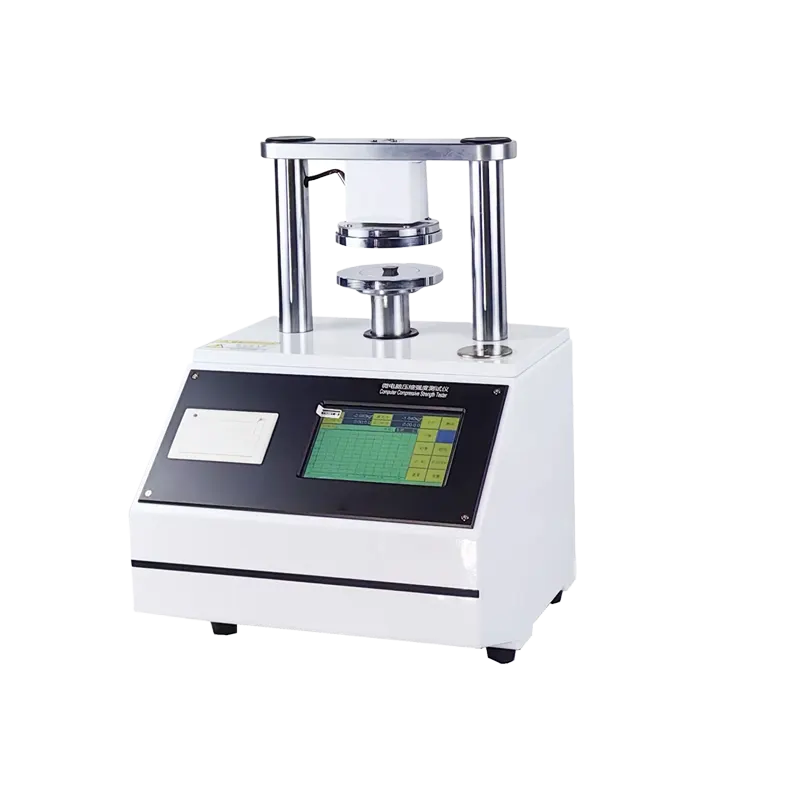
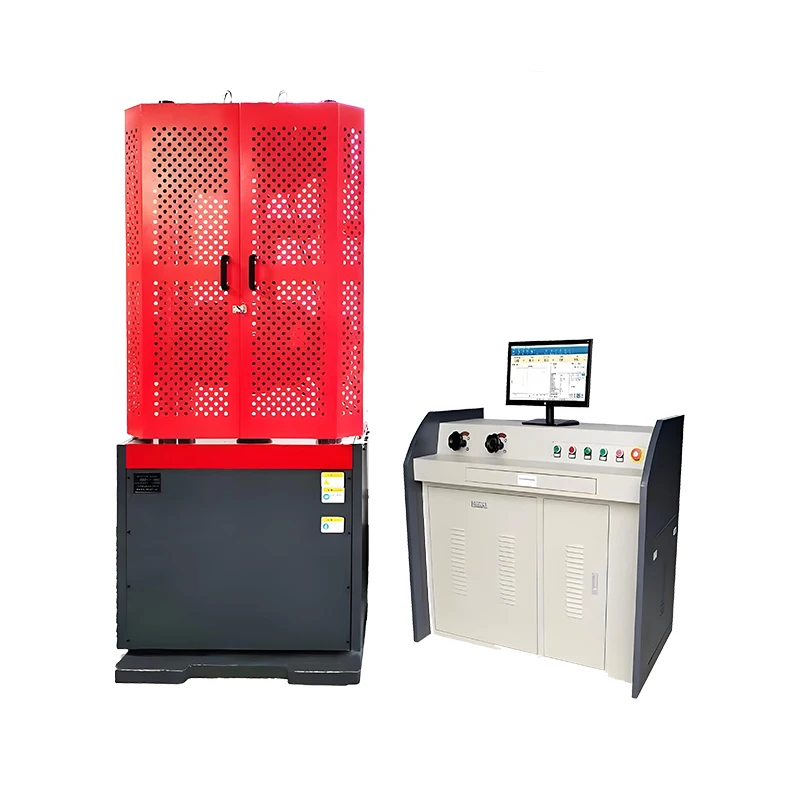
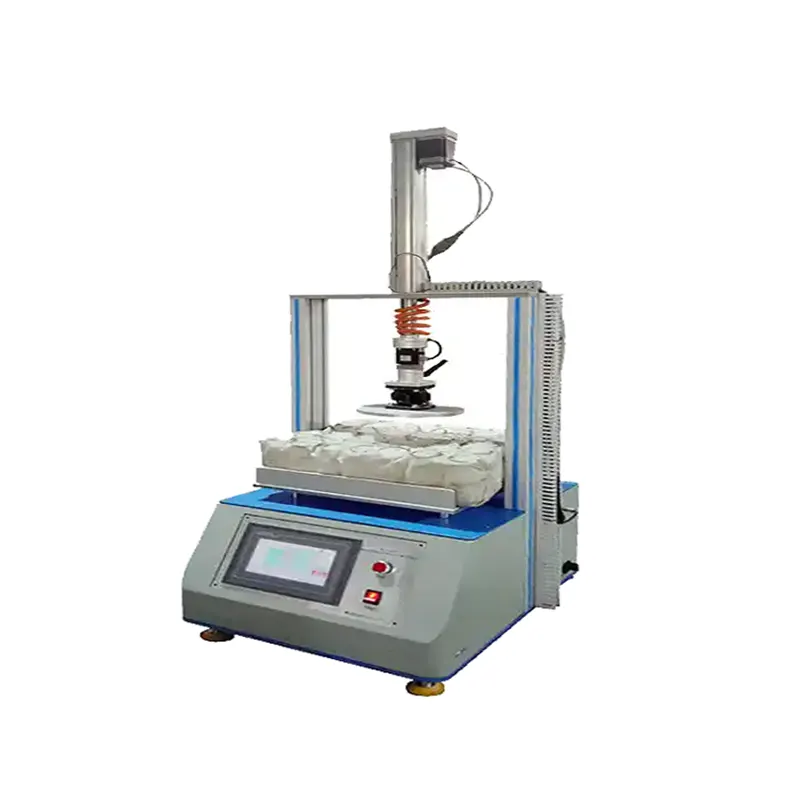
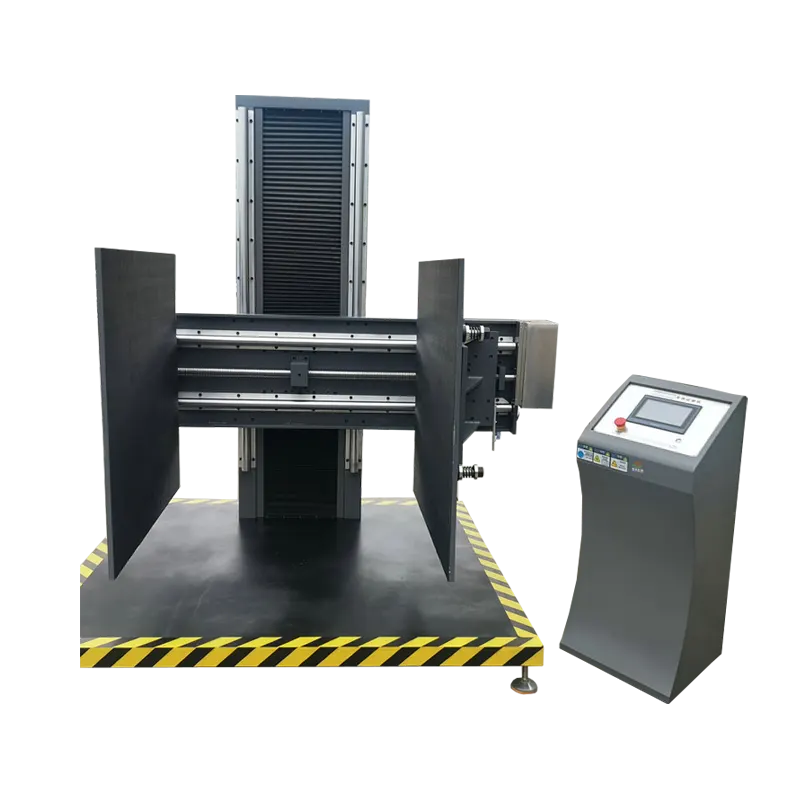
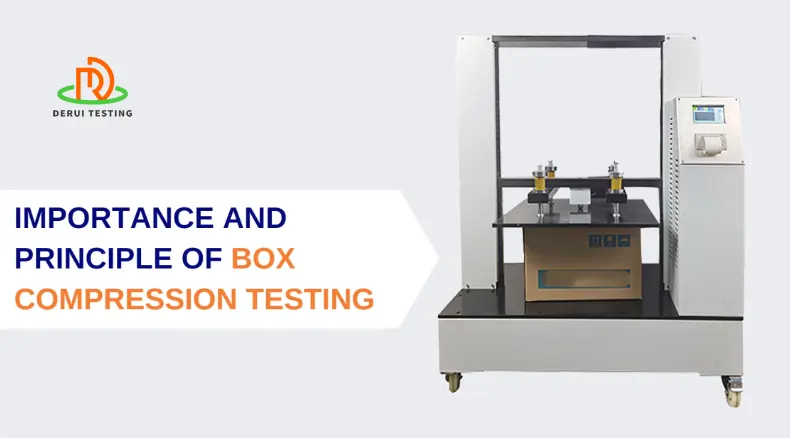
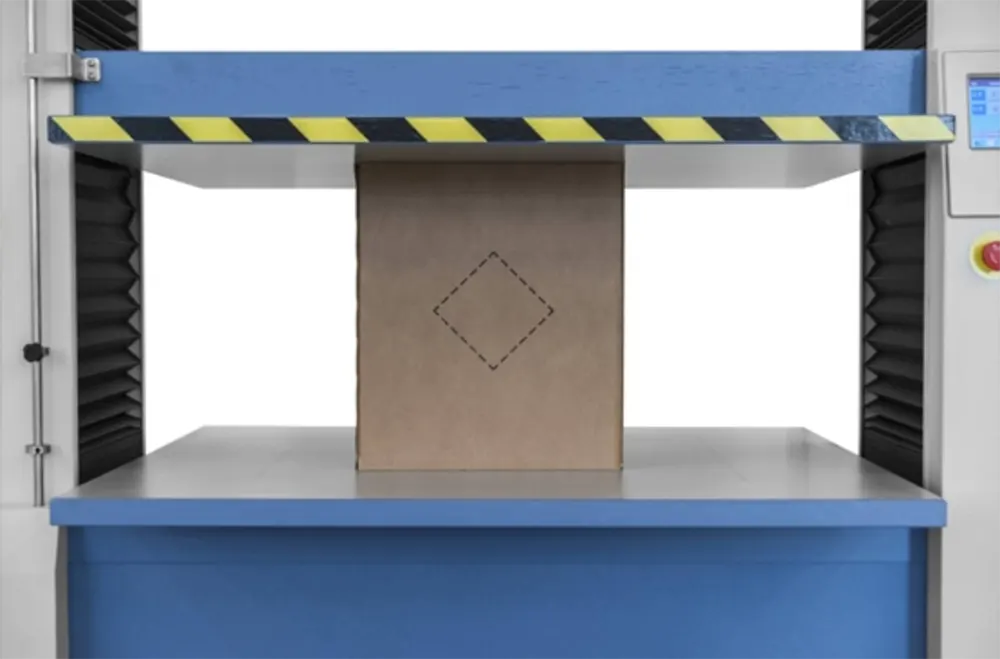
A box compression tester machine applies a controlled compressive load to a corrugated box, completed transport package or other suitable container between two platens. It records force and platen movement until the package reaches a specified load, deformation, hold condition or failure point. Packaging teams use these results to compare designs, monitor production and investigate failures under a defined procedure.
Start with the package: machine capacity alone is not enough. The largest package footprint and height, empty or filled condition, expected load, required method, platen arrangement and report fields determine the correct configuration.
Match Force Capacity to the Package Envelope
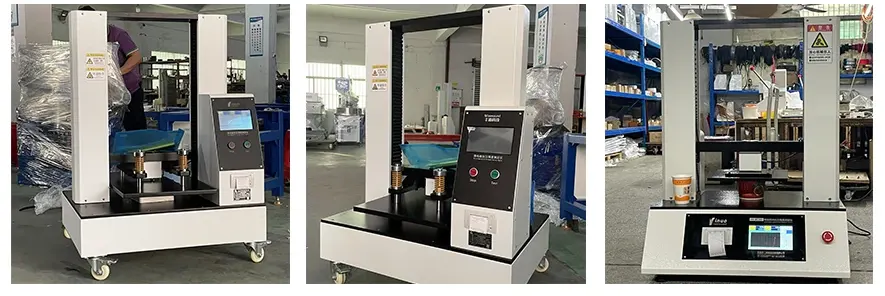
Select the smallest configuration that covers the required working and peak loads with appropriate measurement margin and physically accommodates the package throughout loading and deformation. A higher maximum force does not automatically improve results on lower-force cartons.
10 kN
- Effective test area
- 700 × 900 × 900 mm
- Compression stroke
- 0–900 mm
- Published power
- 1-phase AC 220 V, 500 W, 50 Hz
- Approximate weight
- 350 kg
20 kN
- Effective test area
- 1000 × 1200 × 1000 mm
- Compression stroke
- 0–1000 mm
- Published power
- 1-phase AC 220 V, 550 W, 50 Hz
- Approximate weight
- 670 kg
50 kN
- Effective test area
- 1300 × 1500 × 1500 mm
- Compression stroke
- 0–1500 mm
- Published power
- 1-phase AC 220 V, 900 W, 50 Hz
- Approximate weight
- 1000 kg
Selection rule: check length × width × height, loading orientation, platen footprint, clear height and expected deformation together. Also confirm that the load cell’s verified working range covers the lowest and highest reportable forces.
Define What the Compression Result Must Mean
The tester measures force and platen movement. The reportable result also depends on the package construction, contents, closure, conditioning, orientation, platen arrangement, loading procedure and stop condition.
Shipping containers, components and unit loads
The method covers compressive resistance and allows relevant containers to be tested with or without contents. Confirm orientation, fixed or swiveling platen, load application and termination requirements from the current edition.
Complete, filled transport packages
This standard addresses compression and stacking tests using a compression tester. Confirm the filled specimen, loading condition, deformation or failure criterion and report requirements.
Finished-box performance and board-edge strength are different results
BCT evaluates the completed box or package as a structure. ECT measures edgewise compression resistance of a prepared corrugated-board specimen and does not replace a full box compression test.
Peak, deformation, hold and pass/fail
Define whether the report needs peak force, deformation at a specified load, force-deformation curve, target-load hold time, loading rate, elapsed time or a documented pass/fail decision.
Important: listing a standard does not prove that every DR-B211 configuration performs every procedure. Confirm the current method, package and ordered platen, control and reporting functions together.
Six Inputs for a Box Compression Tester Recommendation
Send these details before selecting DR-B211-900, DR-B211-1200 or DR-B211-1500. They allow the force range, usable space, controls, reporting and site requirements to be reviewed as one system.
Package and construction
Provide package type, L × W × H, weight, board construction, joints, closure and loading orientation.
Empty or filled condition
State whether the specimen includes the product, cushioning, partitions or internal supports and whether the contents share the load.
Method and current edition
Identify the ASTM, ISO, TAPPI, ISTA, retailer, customer or internal procedure and the compression step it requires.
Working and peak force
Provide the lowest force that must be reported, normal working load, expected peak or failure load and required safety margin.
Travel and result fields
Define expected deformation, hold load and duration, stop condition, curve, units, pass/fail rules and data export format.
Workflow and installation
State tests per day, largest loading height, available floor space, power supply, destination country and required verification documents.
Best inquiry package: package photo or drawing + dimensions and weight + method + expected load + required results.
From Package Preparation to Reportable Result
Repeatability depends on keeping the package, conditioning, orientation, platen setup, method settings and reporting rules consistent—not simply pressing Start.
Prepare
Record construction, contents, closure, dimensions, weight, conditioning and sample identity.
Inspect
Check platen surfaces, clearance, alignment, load path and package placement before loading.
Program
Enter the method-defined speed or control mode, preload, hold, stop condition and report fields.
Run
Monitor the test from a safe position and stop if loading, movement or package behavior is abnormal.
Review
Save the force-deformation curve, peak, deformation, settings, specimen details and observations.
Controls that protect data quality
- Keep platen surfaces clean and inspect alignment and travel.
- Use representative specimens and a documented sampling plan.
- Record conditioning, orientation, closure and contents for every comparison.
- Schedule verification and calibration through the laboratory quality system and applicable requirements.
Stop and request qualified support when
- Force verification fails or results shift without an explained specimen change.
- The platen moves unevenly, travel is jerky or unusual mechanical noise occurs.
- Limits, overload protection, emergency stop or control functions do not operate as expected.
- Electrical, sensor or software faults persist after the manual’s permitted operator checks.
Box Compression Tester Machine FAQs
Use these answers to prepare a model-specific configuration review rather than relying on a generic capacity or standards claim.
01What does a box compression tester measure?
It measures compressive force and platen movement as a box or package deforms, reaches a defined limit or fails. Depending on the configured procedure and software, reported outputs can include peak force, deformation, a force-deformation curve, hold performance and pass/fail results.
02Which DR-B211 capacity should I choose?
Choose from the package’s working and expected peak loads, not from maximum capacity alone. Also confirm the lowest force that must be measured, package footprint and height, platen travel and required safety margin. Current published options are 10, 20 and 50 kN.
03Can the machine perform ASTM D642 or ISO 12048 tests?
The DR-B211 configuration must be reviewed against the current edition and your package. ASTM D642 and ISO 12048 have different scopes and may require specific specimen conditions, platen arrangements, loading controls, endpoints and report information. A standards name alone does not establish complete compliance.
04Can I test empty and filled boxes?
Potentially, when the selected method allows that condition and the machine safely accommodates the complete specimen. Record whether contents, cushioning and internal supports are present because they can change the load path and result.
05How is box compression testing different from edge crush testing?
A box compression test evaluates the completed box or package as a structure. An edge crush test evaluates a prepared corrugated-board specimen. Board ECT can inform packaging design, but it does not directly replace a BCT result on the finished construction.
06What affects the quotation?
The selected force capacity, machine size, platen arrangement, control and software functions, report requirements, verification documents, power configuration, delivery destination and required service scope all affect the final quotation. Send the actual package and method information for review.
Configure the Tester Around Your Largest Package
Send package dimensions and weight, empty or filled condition, expected force, test method, required results and installation details.