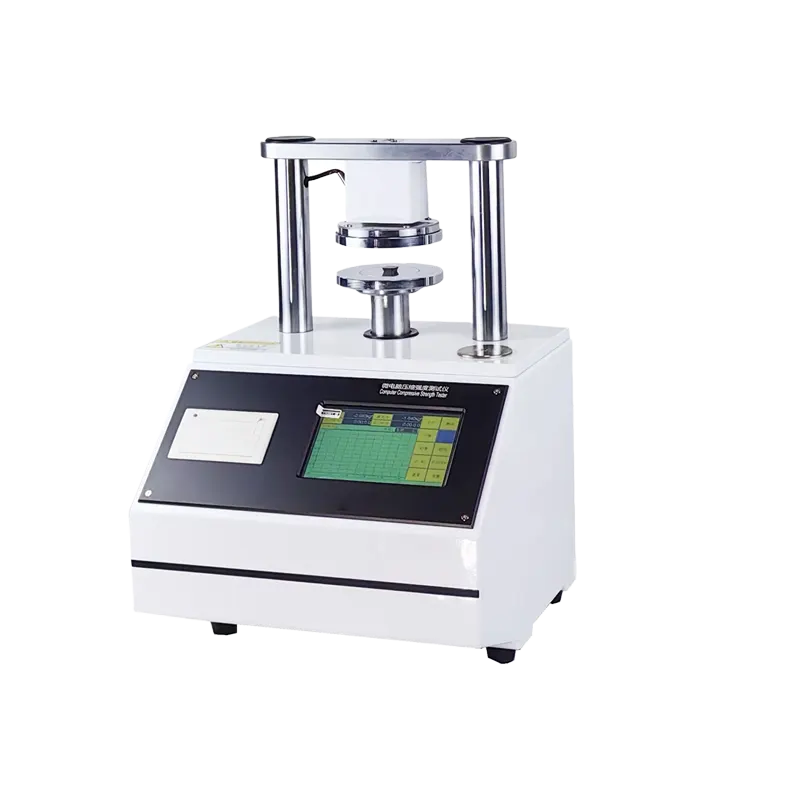


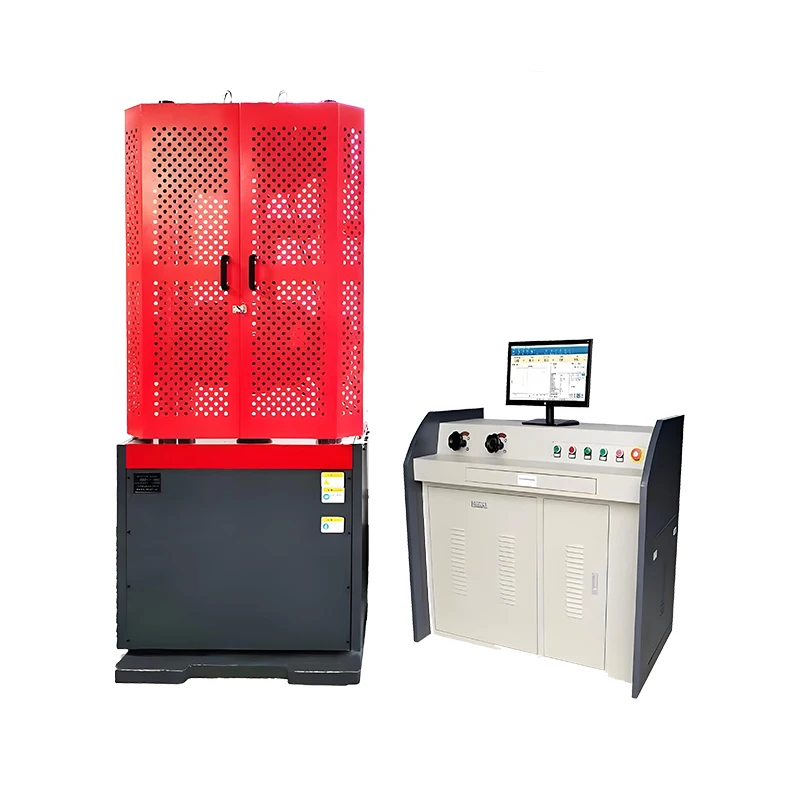
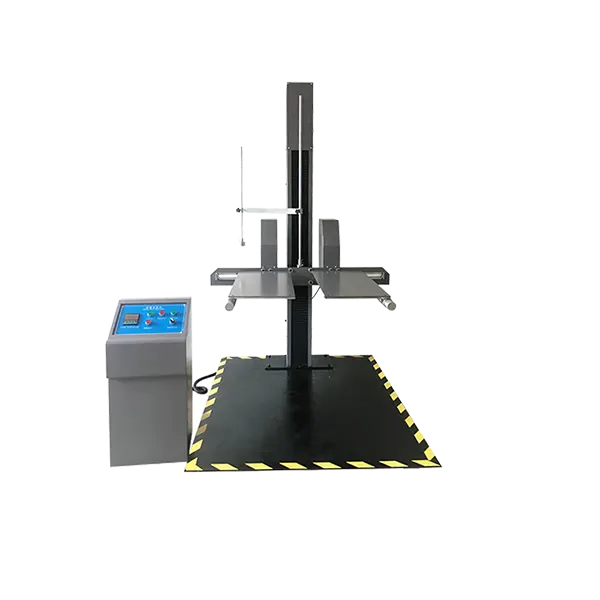
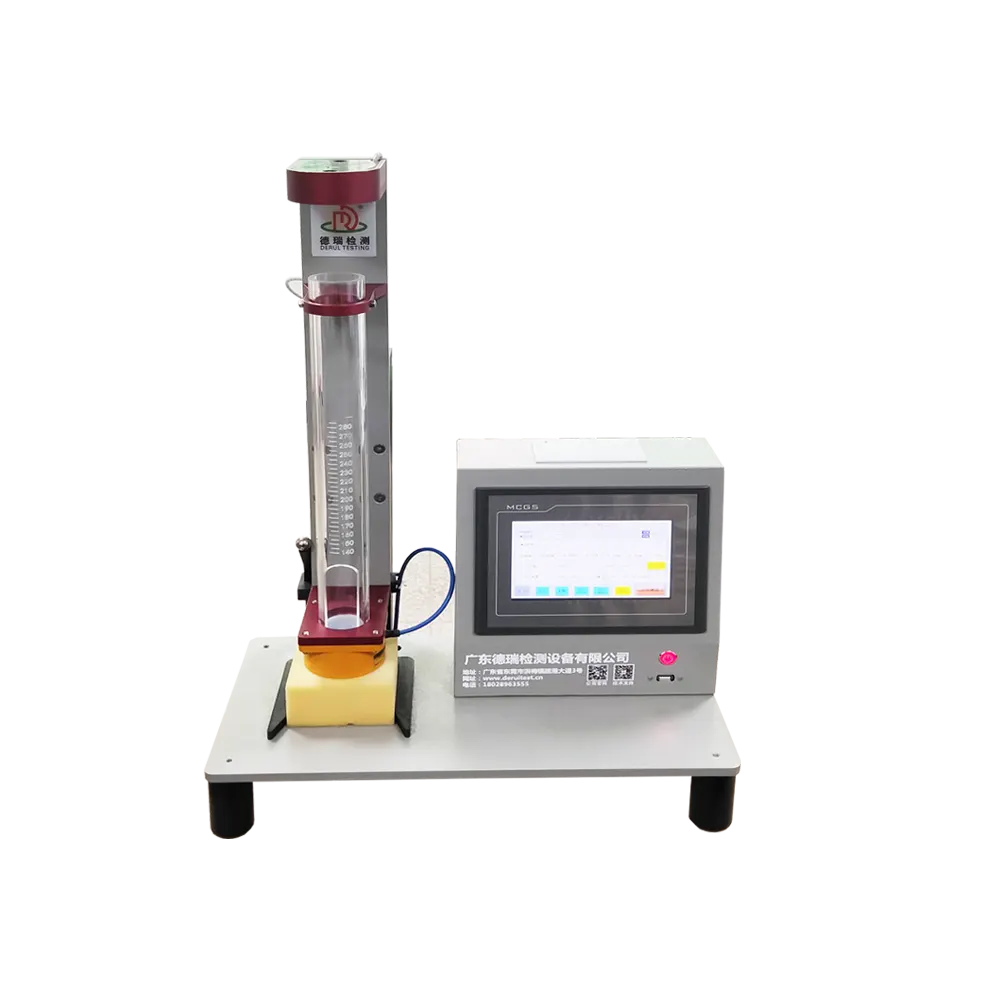
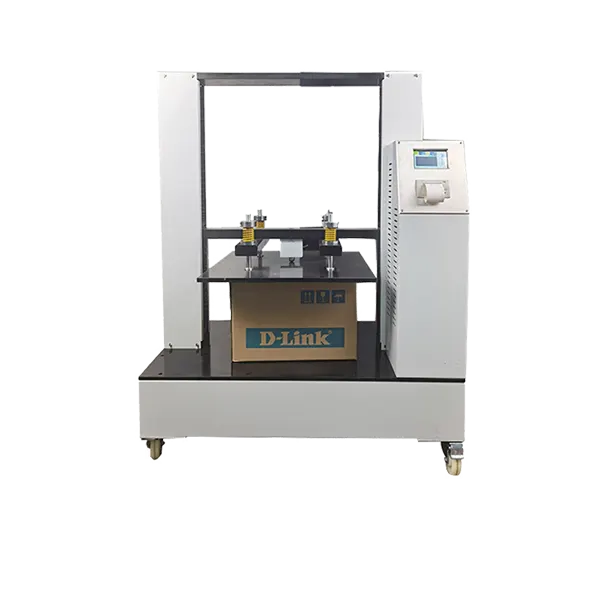
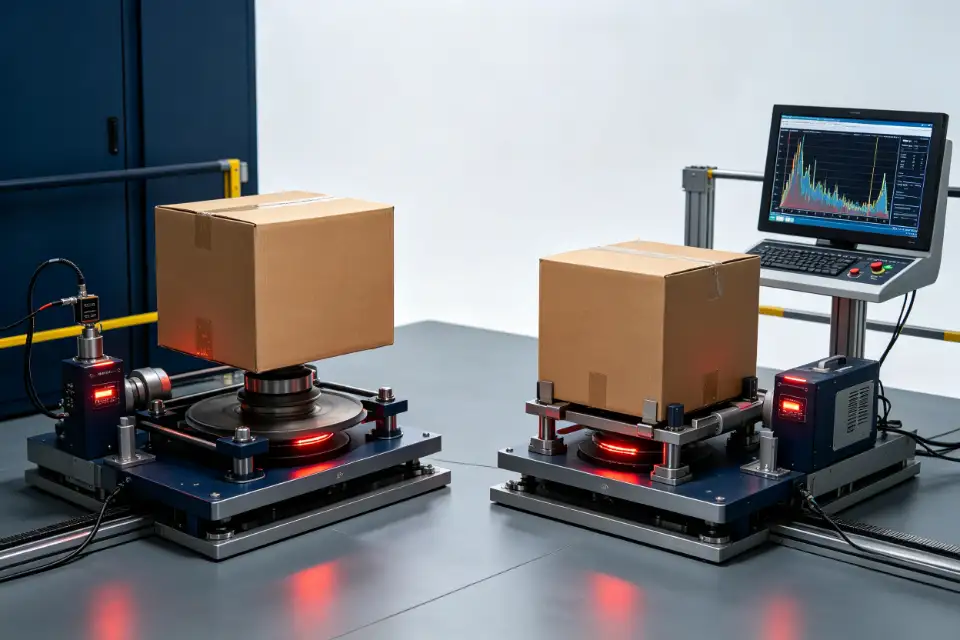
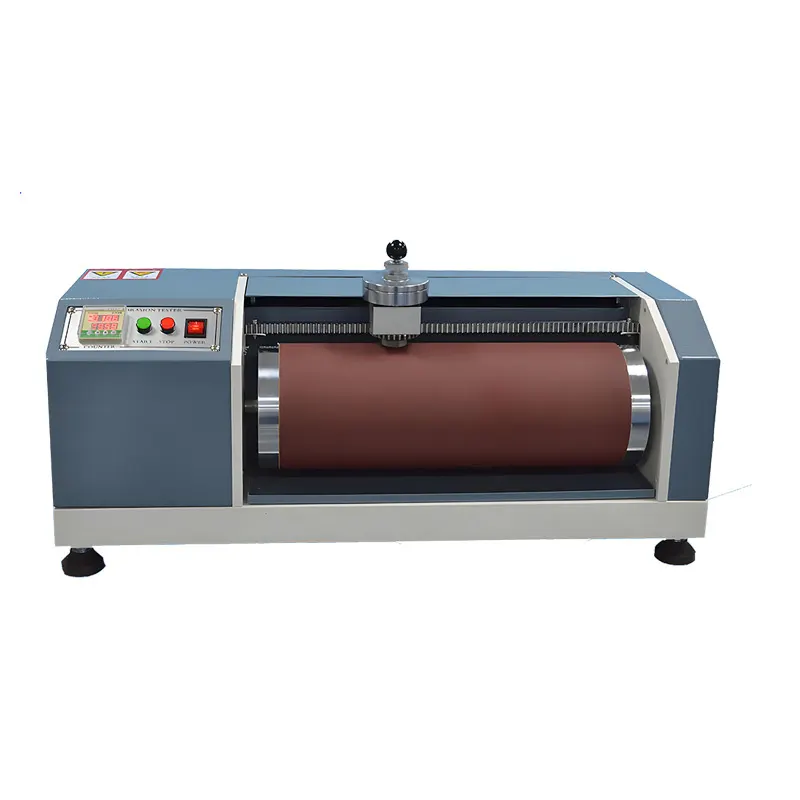
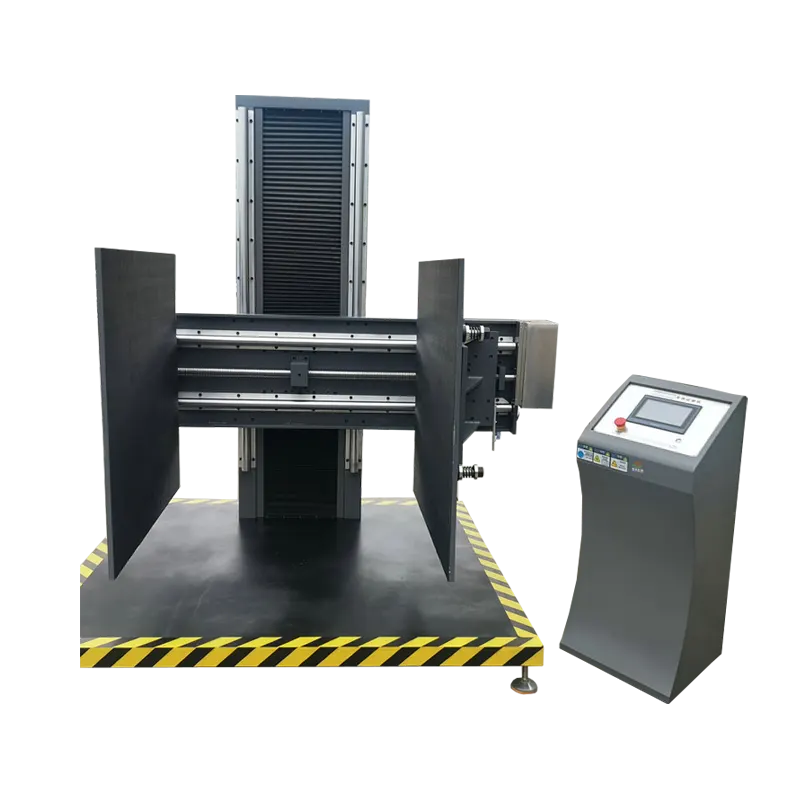
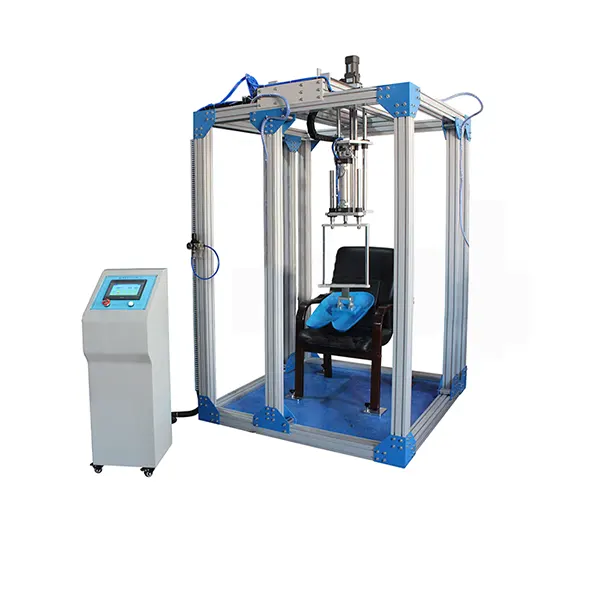
Microcomputer Compression Strength Tester for RCT, ECT, FCT and PAT
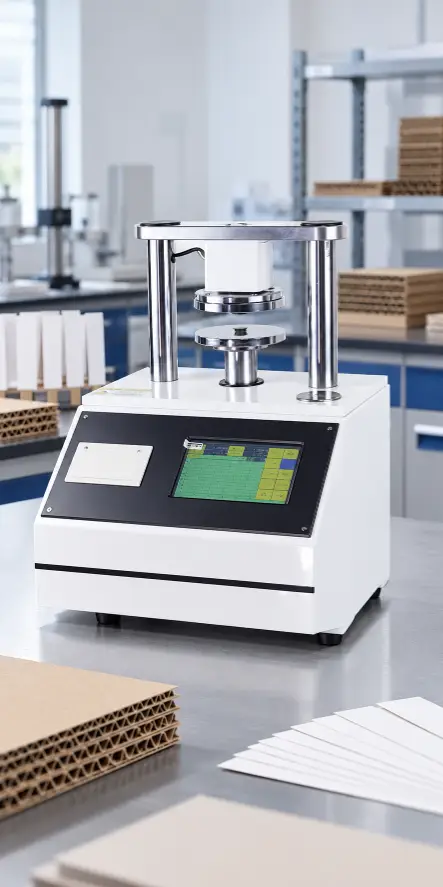
A microcomputer compression strength tester applies a controlled compressive load to prepared paper, paperboard or corrugated-board specimens. With the correct specimen-preparation tools and fixtures, the system can be configured for ring crush, edge crush, flat crush, pin adhesion and related corrugated-medium tests.
Quick answer: this is a specimen-level crush tester, not a full-size box compression tester and not a concrete or brick testing machine. Choose it only after confirming the current test method, material, specimen geometry, fixture, force range, loading rate and reportable result.
Match Each Result to Its Specimen and Fixture
RCT, ECT, FCT, PAT and corrugated-medium tests do not use one interchangeable specimen. The result is valid only when preparation, dimensions, orientation, conditioning, fixture and calculation follow the governing procedure.
Ring crush
Paper or paperboard formed into a ring.
Evaluates edgewise resistance of the prepared ring specimen using a thickness-matched center disk.
Edge crush
Prepared corrugated-board specimen.
Loads the specimen in its edgewise direction to determine edge crush resistance.
Flat crush
Prepared corrugated-board area.
Applies load perpendicular to the board surface to evaluate resistance of the flute structure.
Pin adhesion
Corrugated-board bond specimen.
Uses a dedicated pin assembly to separate liner and fluted medium and evaluate bond integrity.
Corrugated medium
Laboratory-fluted paper specimen.
Requires additional sample preparation and holding equipment before compression.
Applications Across the Paper and Corrugated Packaging Supply Chain
Paper mills and containerboard producers
Compare linerboard and corrugating-medium lots, investigate process shifts and supply compression-property data to downstream converters.
Corrugated plants and box converters
Monitor board edge resistance, flute crush and bond integrity while separating raw-material variation from converting-process problems.
Brand owners and packaging laboratories
Verify incoming board specifications and investigate packaging failures before deciding whether the board, bonding or finished-box design requires attention.
Inspection, research and education
Run documented comparative tests when specimen preparation, conditioning, traceability and reporting are controlled by the laboratory quality system.
Confirm the Current Method Before Ordering
The current page references ISO 12192, ISO 3037, ISO 7263 and several GB/T and TAPPI methods. These references identify possible test families; they do not prove that one fixture, specimen or software calculation covers every edition and procedure.
Method review
- Send the standard number and current revision.
- Identify the required test item and result units.
- Confirm conditioning and specimen quantity.
- List acceptance limits and report fields.
Specimen preparation
Cut quality, dimensions, flute orientation, thickness selection, laboratory fluting and support affect the result. Include the required cutters, dies, center disks, fluter, combs or holders in the configuration review.
Measurement and reporting
Confirm usable force range, loading rate, platen behavior, peak detection, unit conversion, curve display, statistics, storage, printing and export against the actual method and laboratory workflow.
Important: ECT on a board specimen and BCT on a complete box answer different questions. For complete packages, review a dedicated box compression tester machine.
Send These Inputs for a Valid Tester Recommendation
A useful quotation must define the complete workflow, not just the instrument name. Send the following information so the tester, fixtures, preparation tools and reporting functions can be reviewed together.
Material and construction
Paper grade, paperboard or corrugated construction, flute type, thickness range, coating and expected variation.
Required test items
Specify RCT, ECT, FCT, PAT, CMT, CCT or another procedure rather than requesting a generic compression tester.
Method and specimen
Provide the current method, specimen drawing or dimensions, orientation, conditioning and preparation equipment already available.
Expected force and results
State the expected minimum and maximum result, units, curve, statistics, print/export format and pass/fail rules.
Fixtures and preparation
List required center disks, supports, pins, cutters, fluter, combs, holders and reference samples.
Laboratory and service
Include test volume, language, power, destination, installation, training and required calibration or verification documents.
Best inquiry package: method + material + specimen drawing/photo + expected range + required fixtures + report example.
Microcomputer Compression Strength Tester FAQs
01What does this compression strength tester measure?
02Can one tester perform RCT, ECT, FCT and PAT?
03Is it a box compression tester?
04Which standards can be reviewed?
05What affects repeatability most?
06What should be included in an inquiry?
Configure the Tester Around the Actual Method
Send the specimen, current procedure, expected force and required preparation tools for a model-specific review.