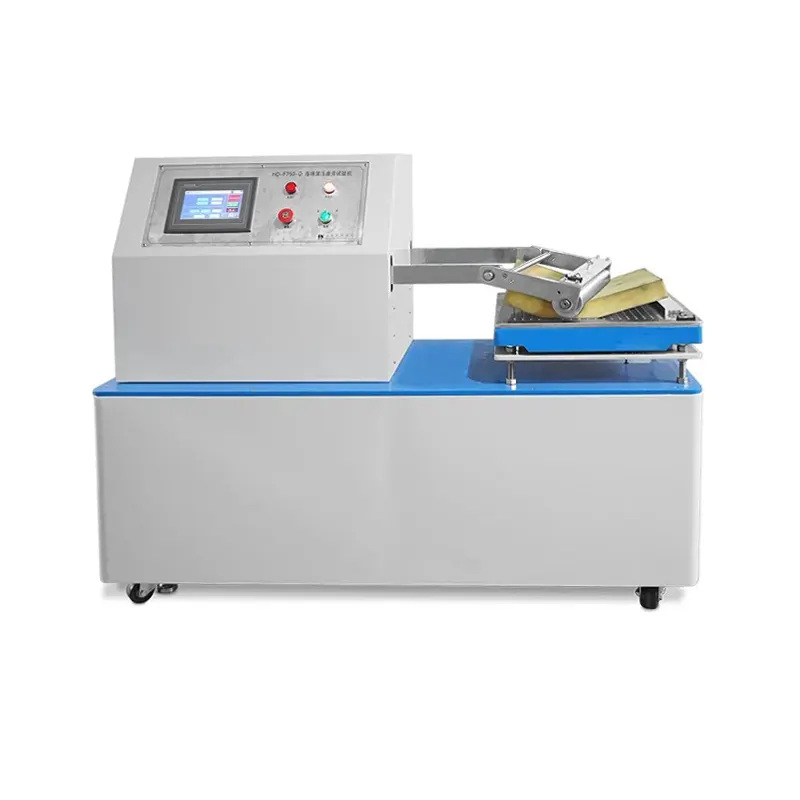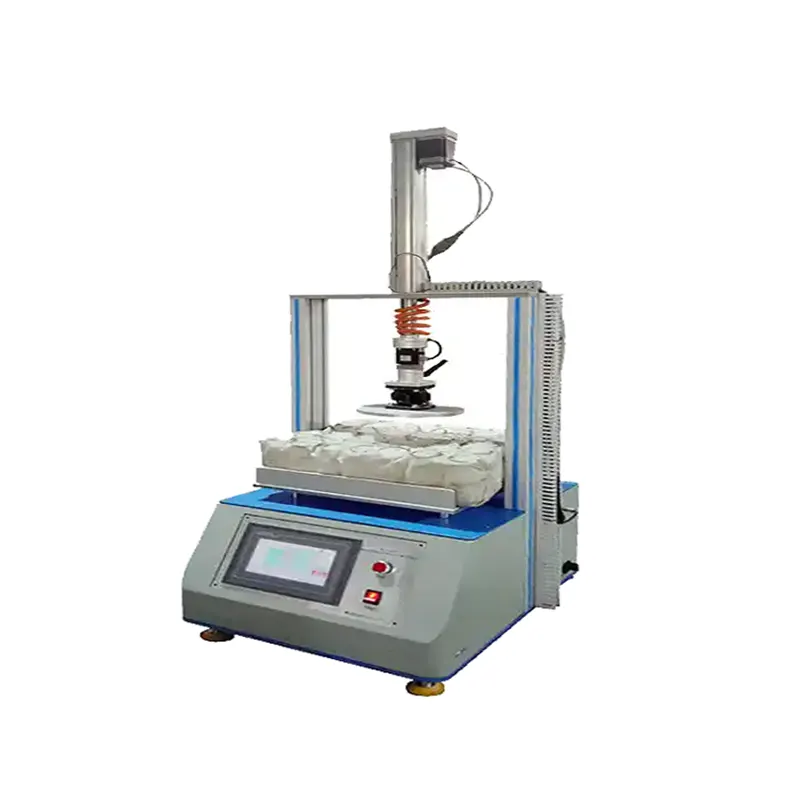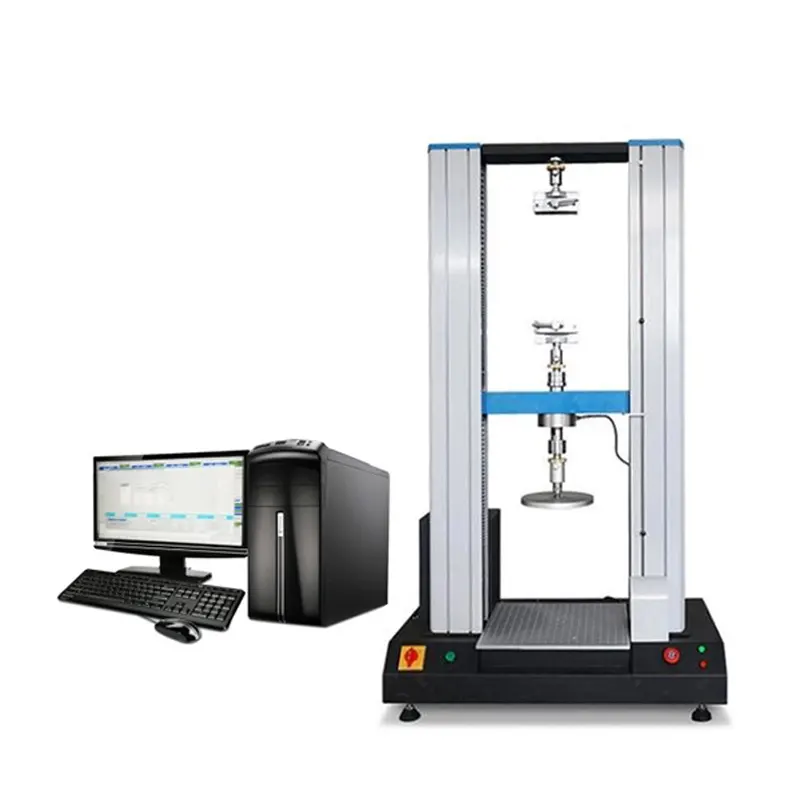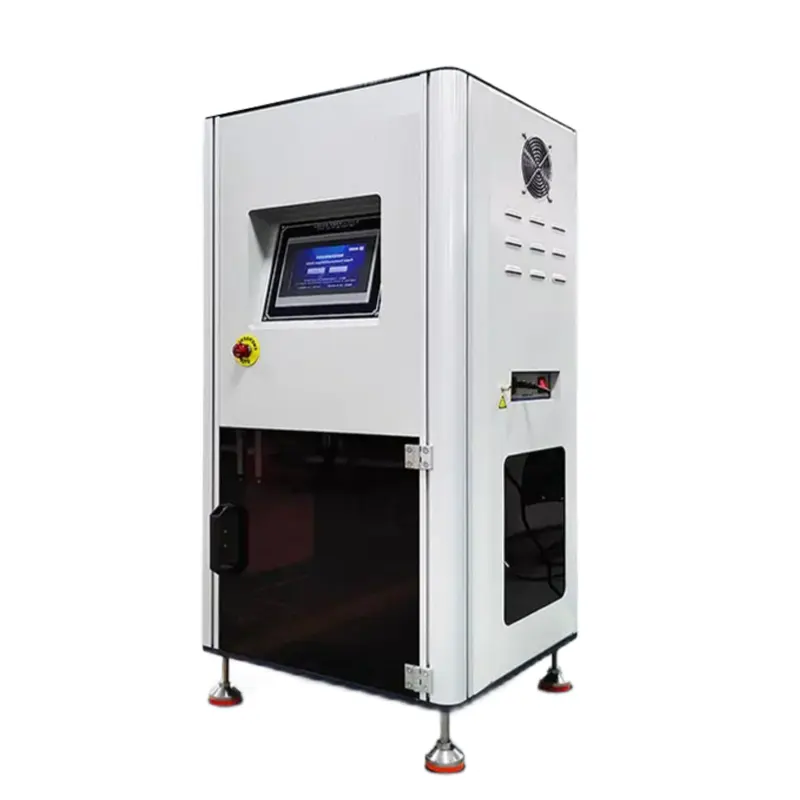



DR-J201 Foam Ball Rebound Tester
The DR-J201 releases a specified steel ball above a conditioned foam specimen and measures its rebound height. Rebound resilience is reported as the rebound height divided by the original drop height, expressed as a percentage.
Quick answer: this is an energy-return comparison, not a direct comfort or durability score. Valid results require the correct ball, clear drop path, calibrated height reference, level specimen support, controlled conditioning and the averaging procedure specified by the selected method.
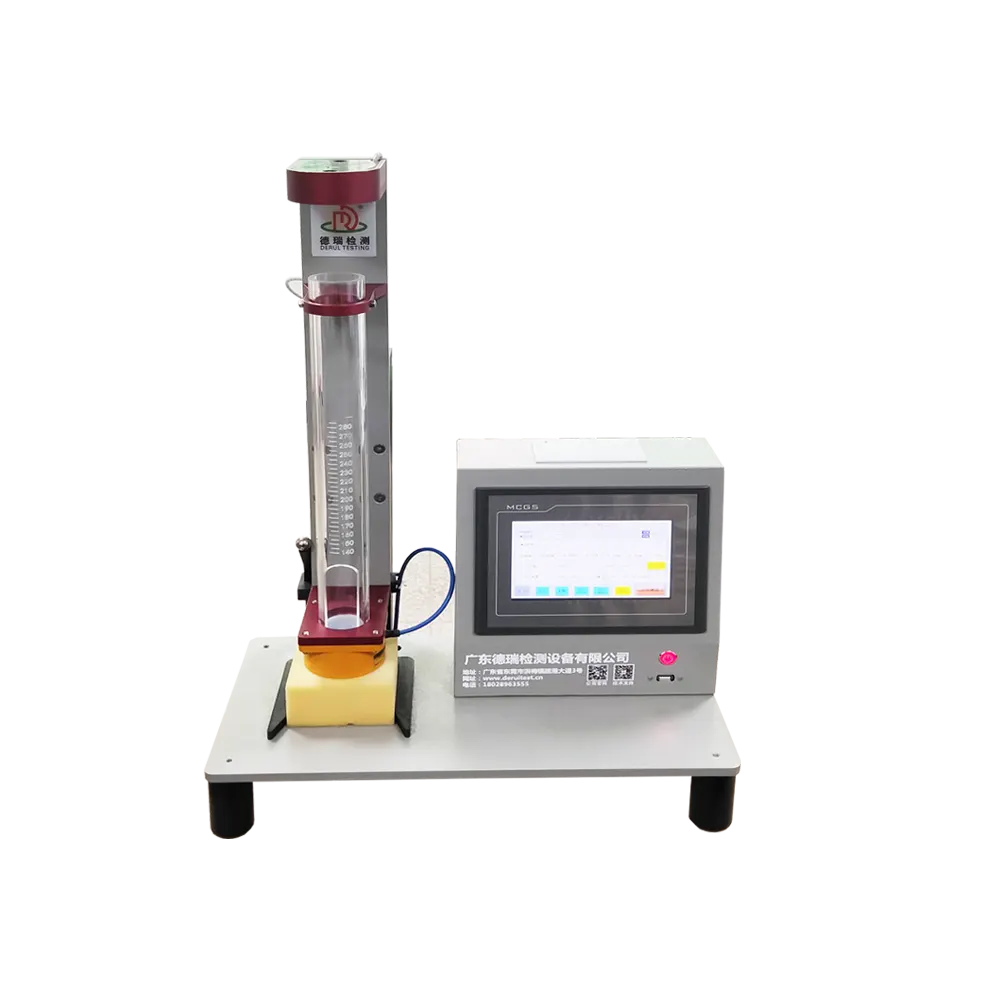
How Ball Rebound Resilience Is Measured
A repeatable release and an unobstructed vertical path allow the returned energy to be expressed relative to the original drop height.
Condition and position
Condition the specimen, place it flat on the support and align the intended impact location below the ball.
Set the method geometry
Confirm ball specification, drop height, guide or release arrangement and height reference.
Release and detect
Release without added impulse and measure the first rebound peak with the specified manual or automatic system.
Repeat and report
Reject invalid impacts, apply the method’s repeat/averaging rule and record specimen and environmental details.
Rebound Is Not Hardness, Recovery or Fatigue
Each result describes a different part of foam behaviour and should retain its own product-page intent.
DR-J201 rebound
Percentage of drop height returned by the ball after impact; a resilience/energy-return indicator.
IFD / hardness
Force response at specified indentation, used to characterize firmness and support.
Recovery time
Seconds required for slow-recovery foam to return to a defined contact condition.
Dynamic fatigue
Thickness and load-bearing change after a prescribed repeated-compression program.
Confirm ISO 8307 or ASTM D3574 Test H
| Method route | Primary scope | Configuration review |
|---|---|---|
| ISO 8307:2018 | Ball-rebound resilience of flexible cellular polymeric materials, with manual and automatic apparatus routes. | Material applicability, ball, drop geometry, specimen, precompression, conditioning, measurement and report. |
| ASTM D3574 Test H | Resilience by ball rebound within the flexible polyurethane foam test-method family. | Active edition, ball/drop requirements, specimen preparation, repeated readings and calculation. |
| Customer/internal method | Incoming inspection or formulation comparison using a controlled company procedure. | Send the exact document; define permitted deviations and correlation to historical data. |
Do not combine methods: a 460 mm and a 500 mm configuration, or different repeat counts, can produce different reported values. The quotation and FAT must identify one controlled procedure.
Control the Main Sources of Invalid Rebound Results
Instrument level
Level and stabilize the base so the ball path remains vertical and centred.
Ball and release
Inspect ball condition and release it without spin, side force or sticking.
Specimen support
Keep the specimen flat, correctly oriented and supported as required by the method.
Impact location
Maintain the specified position and spacing from earlier impacts, edges or visible defects.
Optical detection
Keep the measurement path clean and verify height response using the agreed check method.
Invalid bounce rule
Repeat impacts that contact the guide, leave the measurement field or otherwise violate the procedure.
Where Ball Rebound Supports Foam Decisions
Controlled rebound data is useful for comparing formulations and lots when the same method and conditioning are maintained.
Seating and bedding
Compare energy-return behaviour of flexible cushioning foams alongside density and indentation hardness.
Automotive interiors
Monitor consistency of eligible seat and comfort foams against an approved material specification.
Foam production QC
Track formulation, cell-structure or process changes through repeatable batch comparisons.
Build a Verifiable DR-J201 RFQ
Send the current test method and one representative specimen so the geometry and automatic measurement can be reviewed together.
Material and method
- Foam type and end use
- Standard and edition
- Required rebound result
- Acceptance limits
Specimen
- Length, width and thickness
- Layers or moulded shape
- Skin and orientation
- Conditioning requirement
Test configuration
- Ball specification
- Drop height
- Reading and averaging rule
- Manual/automatic method
Lab and documents
- Daily throughput
- Display/print/export needs
- Verification and FAT
- Power and language
DR-J201 Ball Rebound Tester FAQs
01What does a foam ball rebound tester measure?
02Is rebound percentage the same as foam hardness?
03Which standards apply to DR-J201?
04Why must the drop height and ball be confirmed?
05What can invalidate a rebound reading?
06What should be sent for a DR-J201 proposal?
Configure the complete rebound method: ball + drop + specimen + conditioning + detection + report.