


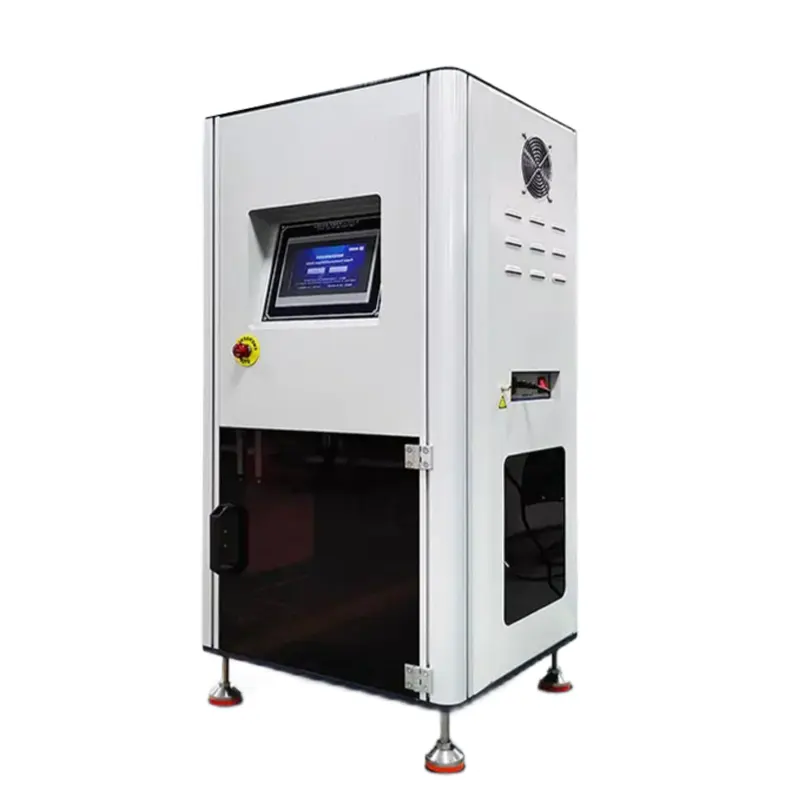
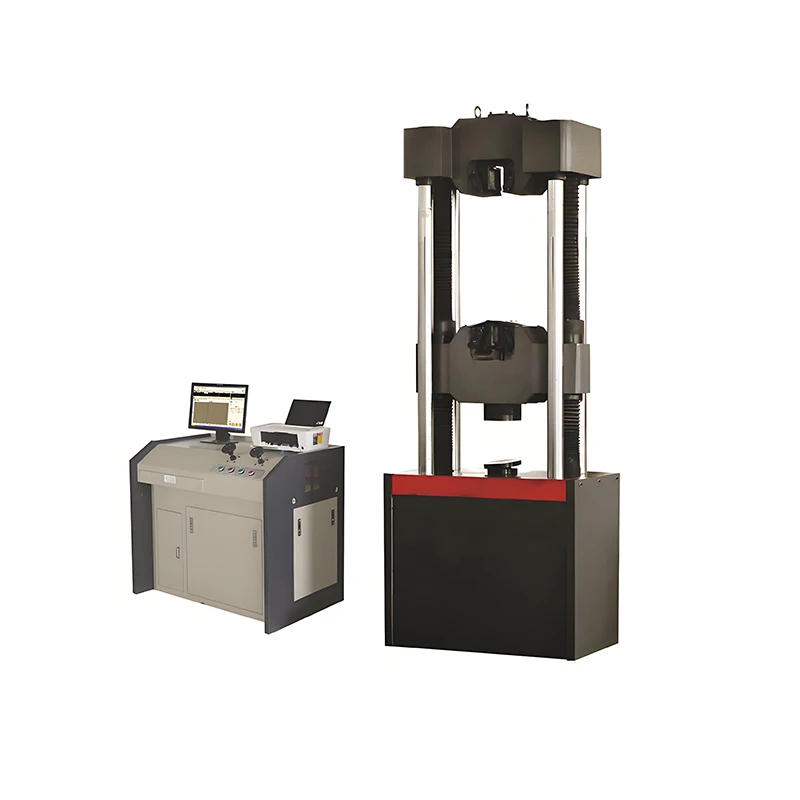
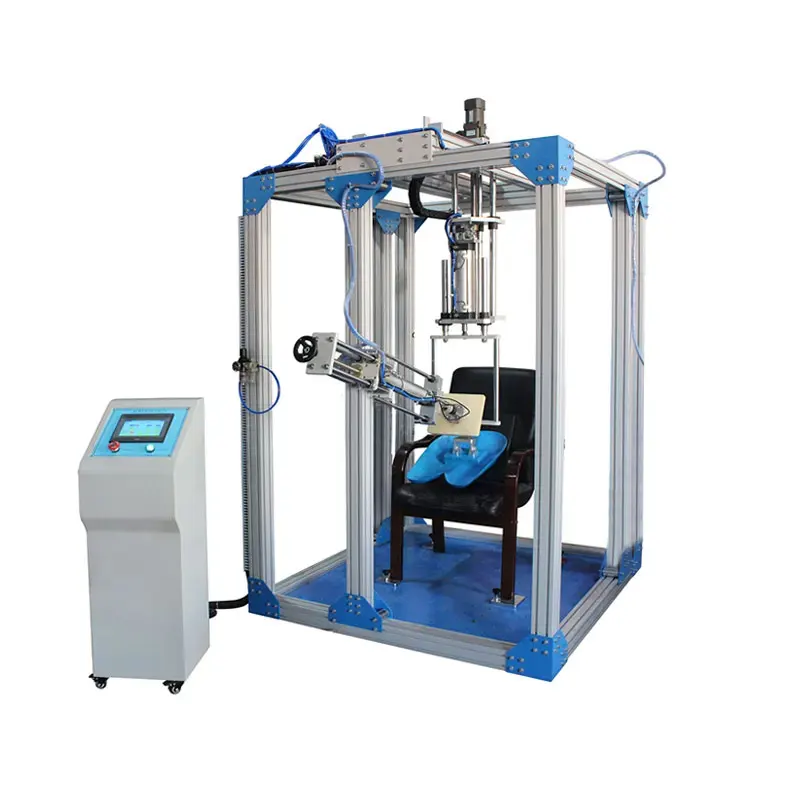
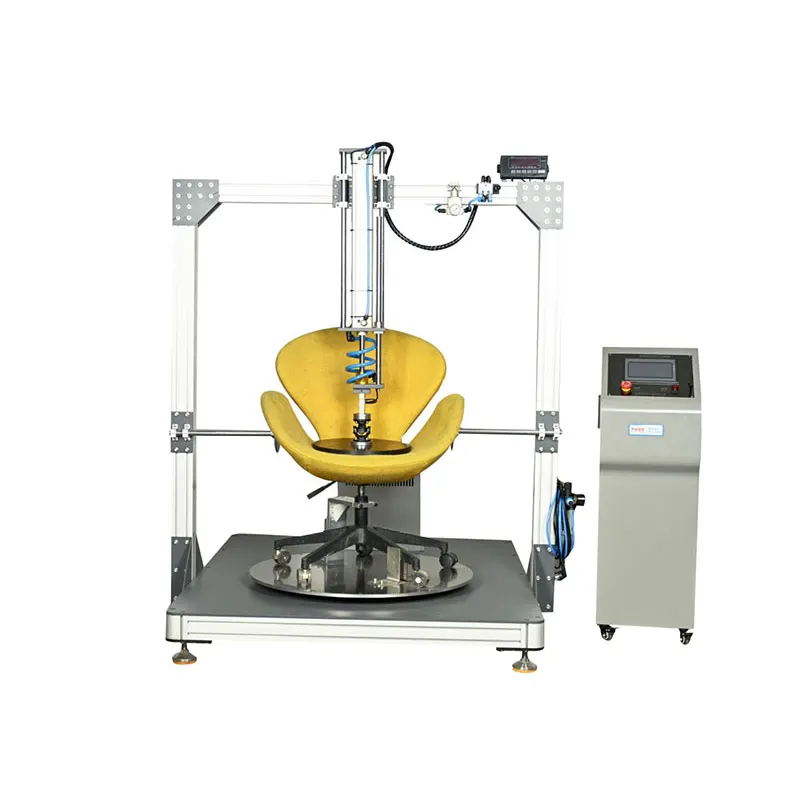
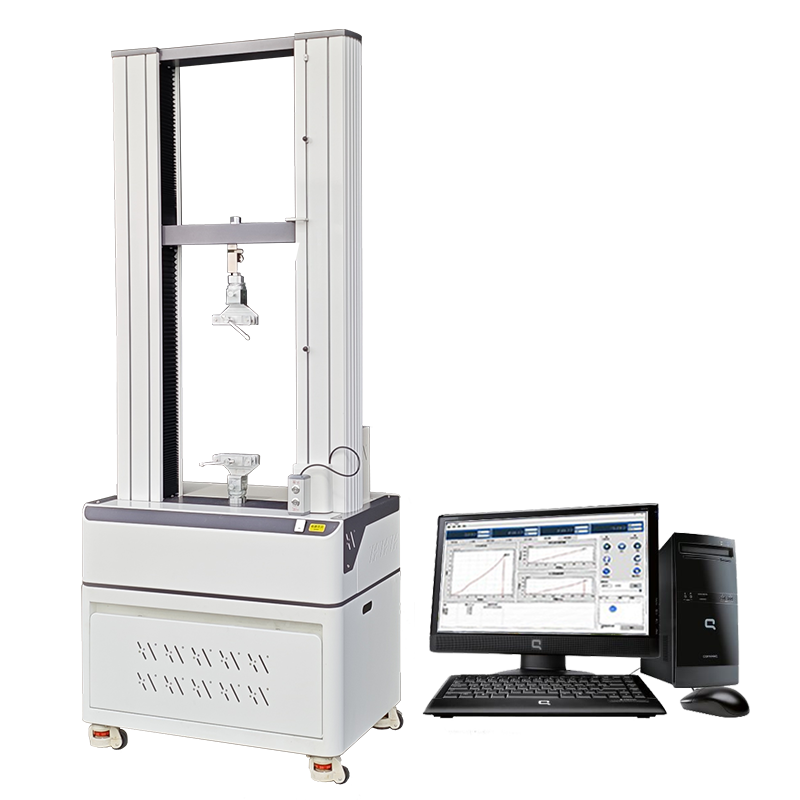
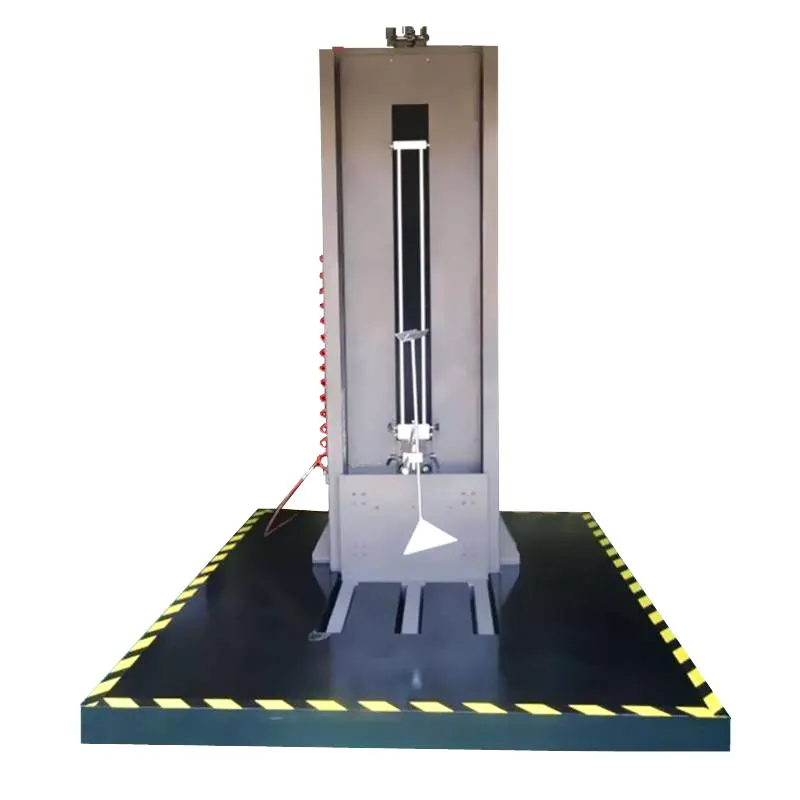
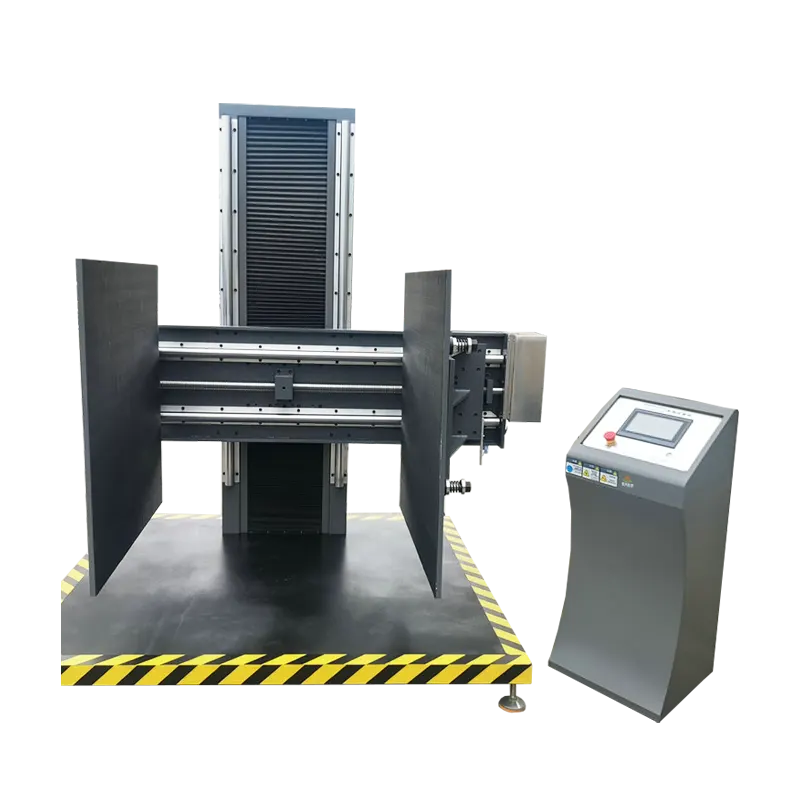
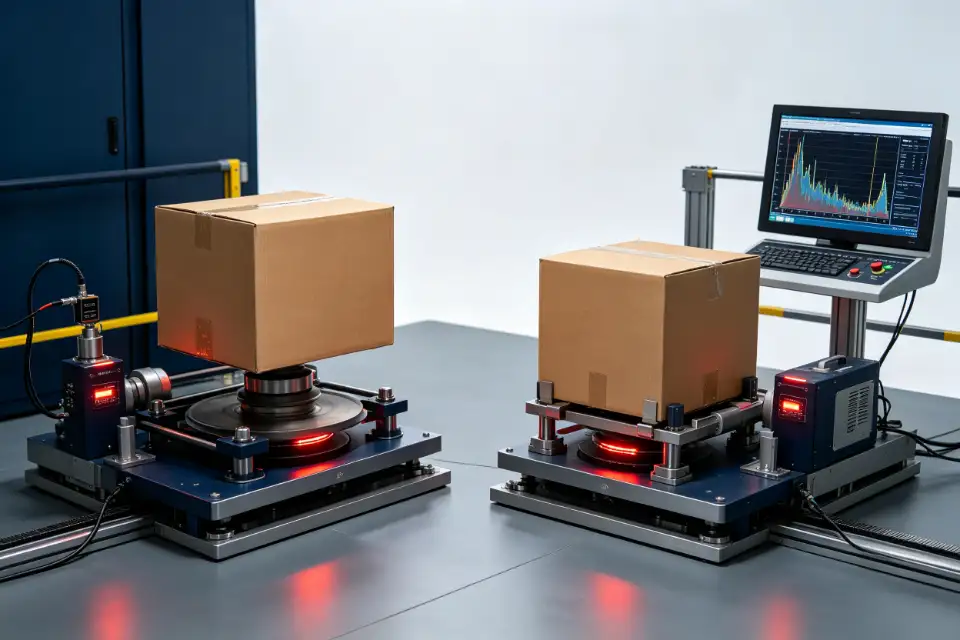
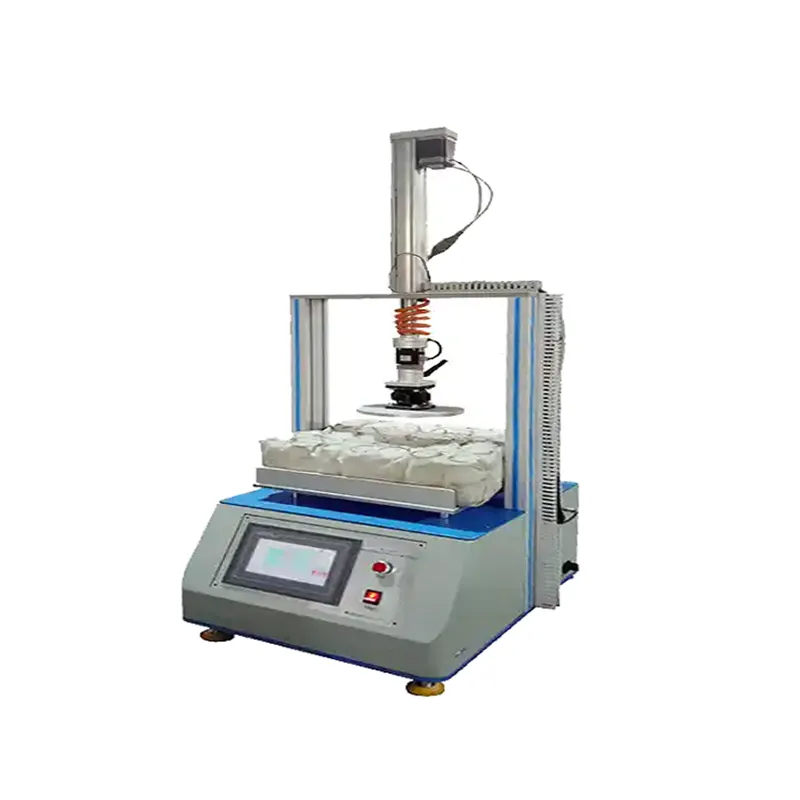
DR-J206 Foam Recovery Time Tester
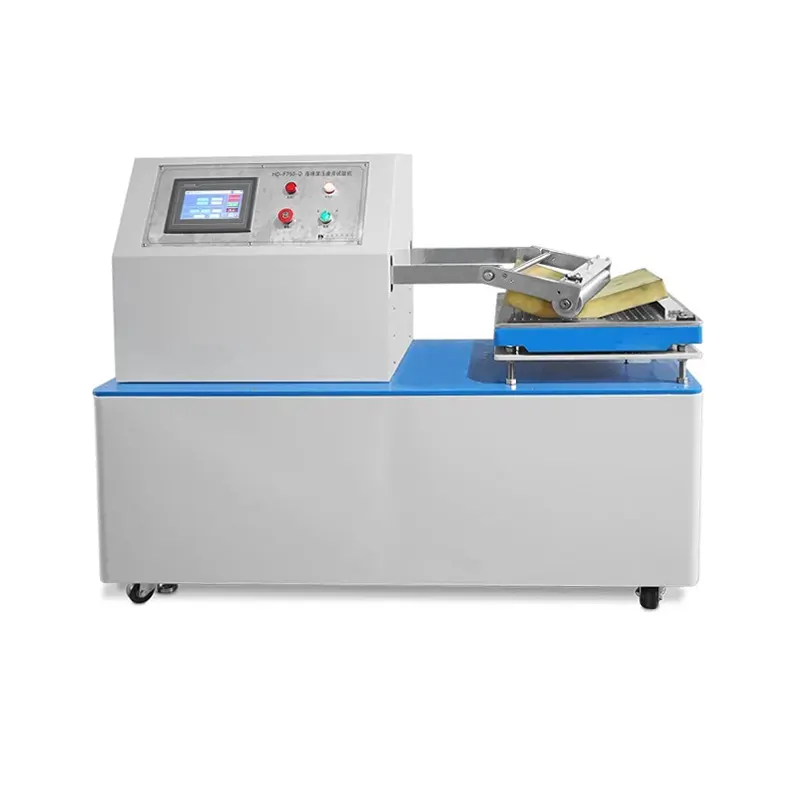
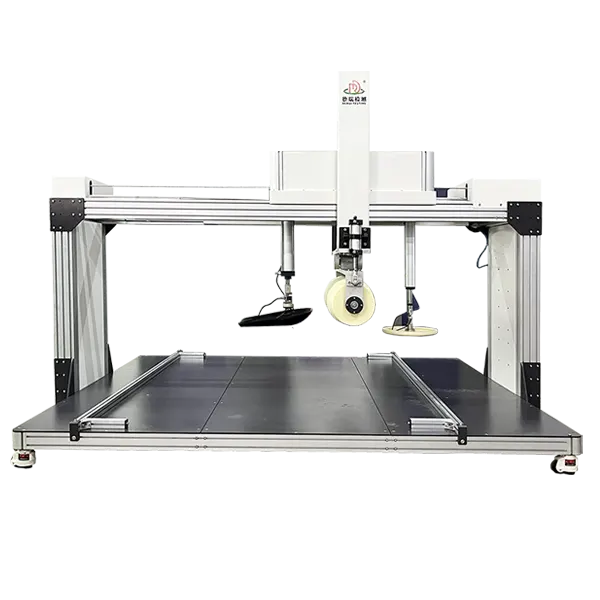
The DR-J206 compresses a slow-recovery foam specimen through a defined sequence, releases it to a specified low-deflection position and records the time required for the recovering foam to reach the defined contact force.
Quick answer: the result is recovery time in seconds. A valid setup must coordinate contact-force detection, initial thickness, compression depth, dwell, return speed, recovery position and timing logic—not merely press the foam and watch it rise.
Recovery Time Is Not Fatigue, Set or Hardness
These measurements may use compression, but they answer different purchasing and quality-control questions.
DR-J206 recovery time
How many seconds a slow-recovery foam needs to return from the released position to the defined contact force.
Dynamic fatigue
How repeated loading changes thickness and hardness or load-bearing properties over many cycles.
Compression set
Residual thickness loss after a specimen is held compressed for a specified duration and then recovered.
IFD / hardness
Force required at specified indentation, used to describe firmness rather than speed of shape recovery.
How the Recovery Sequence Works
The timer must start and stop at repeatable mechanical events. Visual judgement alone cannot provide a robust production-control result.
1 · Establish thickness
Approach the conditioned specimen using the method-defined contact force and record initial thickness.
2 · Compress
Move to the specified percentage of initial thickness at the required speed.
3 · Hold
Maintain the compressed position for the defined dwell without losing the programmed condition.
4 · Release and time
Return to the specified low-deflection position, start timing and stop when recovering foam reaches the defined contact force.
Traceability point: the report should retain initial thickness, programmed positions, dwell, return speed, contact-force threshold and recovery time for the same specimen ID.
Configure DR-J206 for ASTM D3574 Test M
ASTM D3574 covers multiple tests for flexible urethane foam. Stating “ASTM D3574” without identifying Test M does not define recovery-time equipment.
| Method element | Why it matters | Quotation check |
|---|---|---|
| Specimen and conditioning | Foam type, dimensions, preparation and environment influence thickness and recovery behaviour. | Send material, specimen drawing and conditioning requirement. |
| Contact-force threshold | Defines initial thickness contact and the point at which recovery is considered complete. | Confirm sensor range, resolution and verification method. |
| Compression and dwell | Indentation percentage, speed and hold time define the deformation history. | Confirm travel, speed control and dwell sequence. |
| Release and timing | Return speed, recovery position and timer logic directly affect the reported seconds. | Confirm motion capability, automatic trigger and report fields. |
Edition control: ASTM lists D3574-25 as the active edition. Confirm the customer’s required edition and Test M details before claiming conformity or freezing the machine configuration.
Control the Main Sources of Recovery-Time Error
Foam conditioning
Control specimen age, temperature, humidity, orientation and time since prior deformation.
Initial thickness
Use the specified contact force; excess preload changes the datum and compression depth.
Indenter alignment
Keep the indenter parallel, centred and mechanically stable over the specimen.
Return motion
Verify the programmed return speed and position so machine movement does not dominate the result.
Force detection
Use an appropriate load sensor, acquisition rate and stop threshold for low contact force.
Timer logic
Document exactly which motion event starts timing and which force event ends it.
Where Recovery-Time Data Supports Selection
The result helps compare viscoelastic formulations and production consistency under one controlled method; it does not predict every real-use sensation.
Mattress and pillow foam
Compare slow-recovery grades intended to deliver different response characteristics after compression.
Automotive cushioning
Evaluate material response consistency for comfort components when the specified method is applicable.
Foam production QC
Monitor batch-to-batch recovery time alongside density, hardness, airflow and dimensional results.
Build a Verifiable DR-J206 RFQ
Send one controlled test case rather than asking only for “an ASTM foam tester.”
Method and material
- ASTM edition and Test M
- Foam type and product use
- Specimen dimensions
- Conditioning environment
Test sequence
- Contact force
- Compression percentage
- Motion speeds and dwell
- Recovery position and endpoint
Result and throughput
- Expected time range
- Specimens per shift
- Data export and report format
- Operator language
Acceptance documents
- Force/displacement verification
- Speed and timer checks
- FAT procedure
- Manuals and calibration scope
DR-J206 Foam Recovery Time FAQs
01What does a foam recovery time tester measure?
02Which foam is this test intended for?
03Is recovery time the same as compression set?
04Does ASTM D3574 alone define the quotation?
05Why are force sensitivity and return speed important?
06What should be confirmed before ordering DR-J206?
Send the controlled Test M requirement: specimen + motion sequence + endpoint + report + verification.