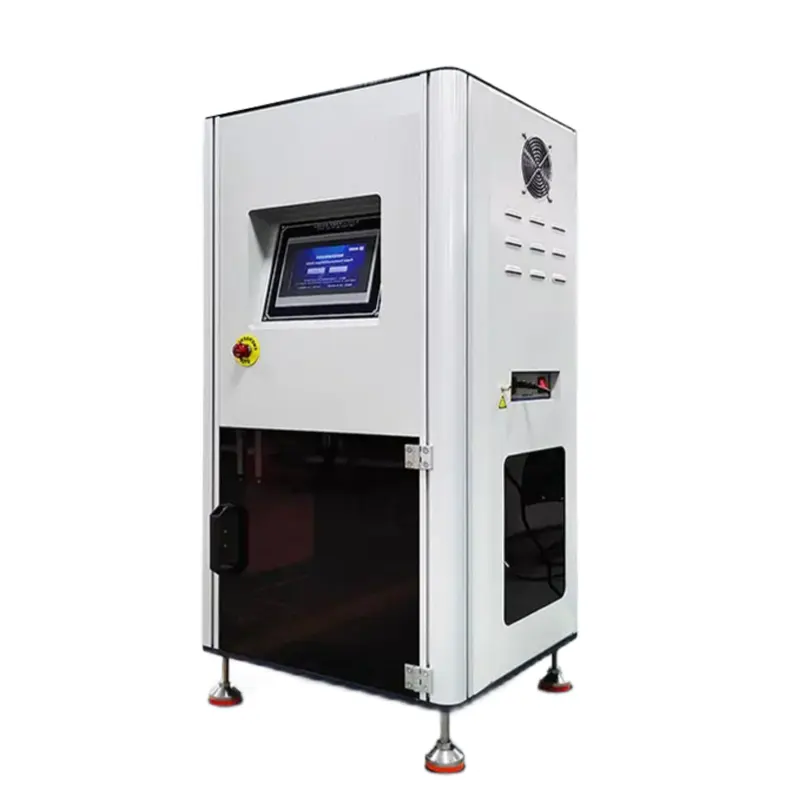



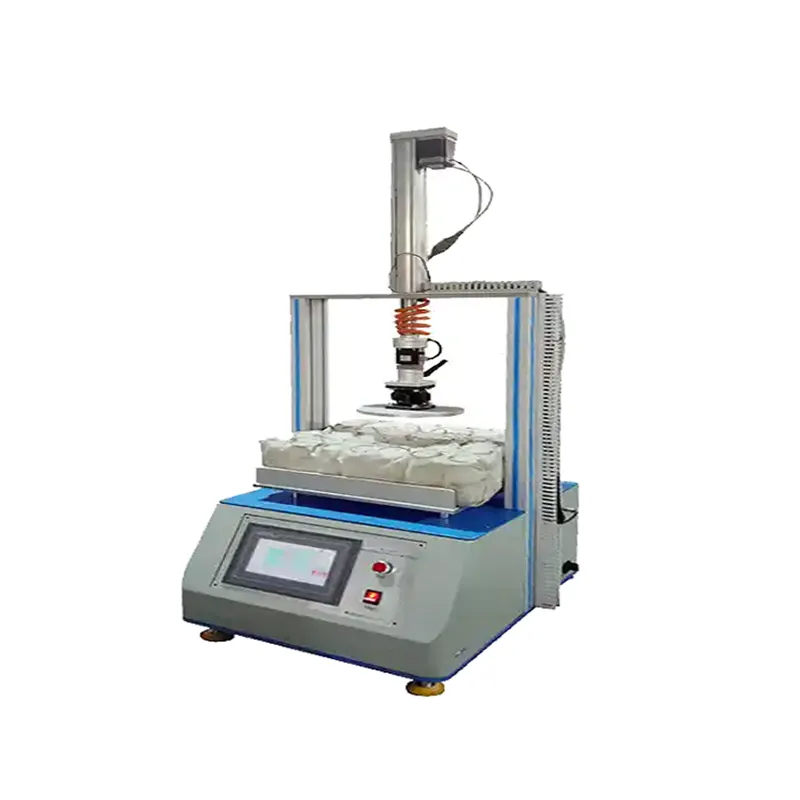
DR-J207 Foam Roller Shear Tester
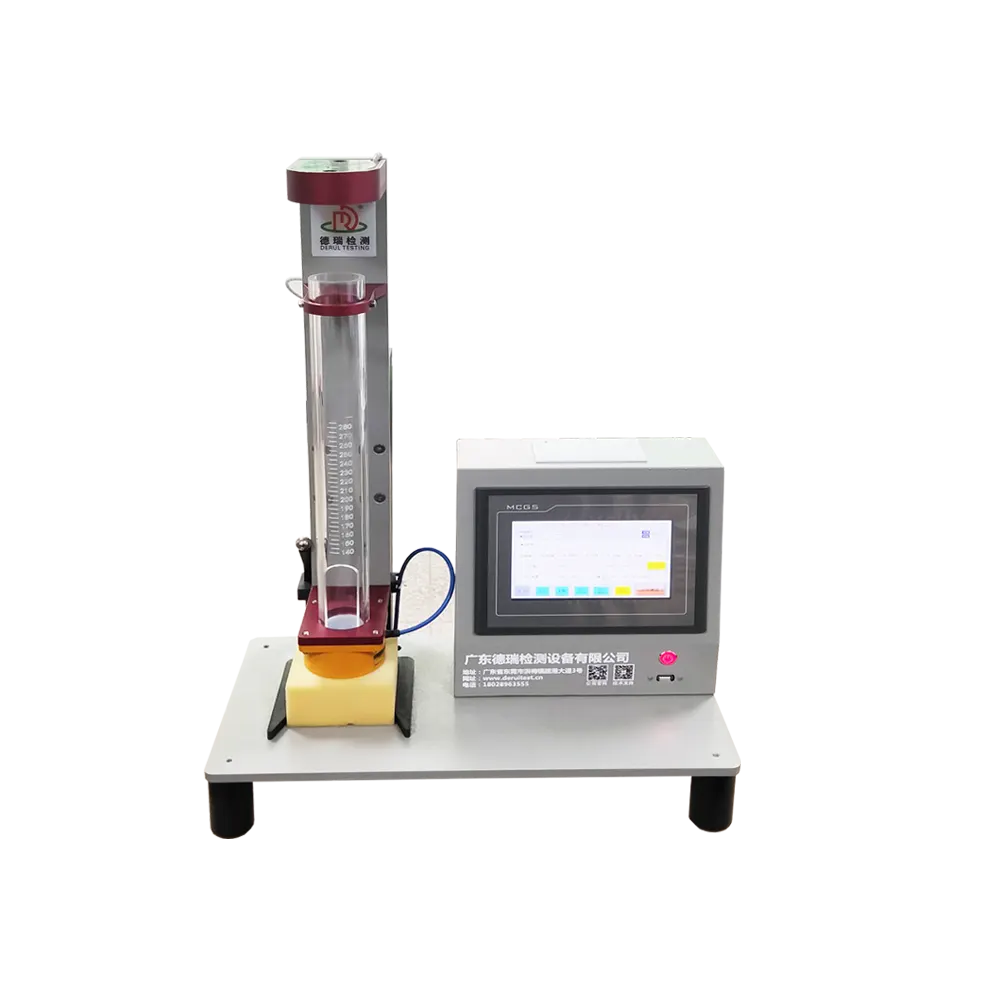
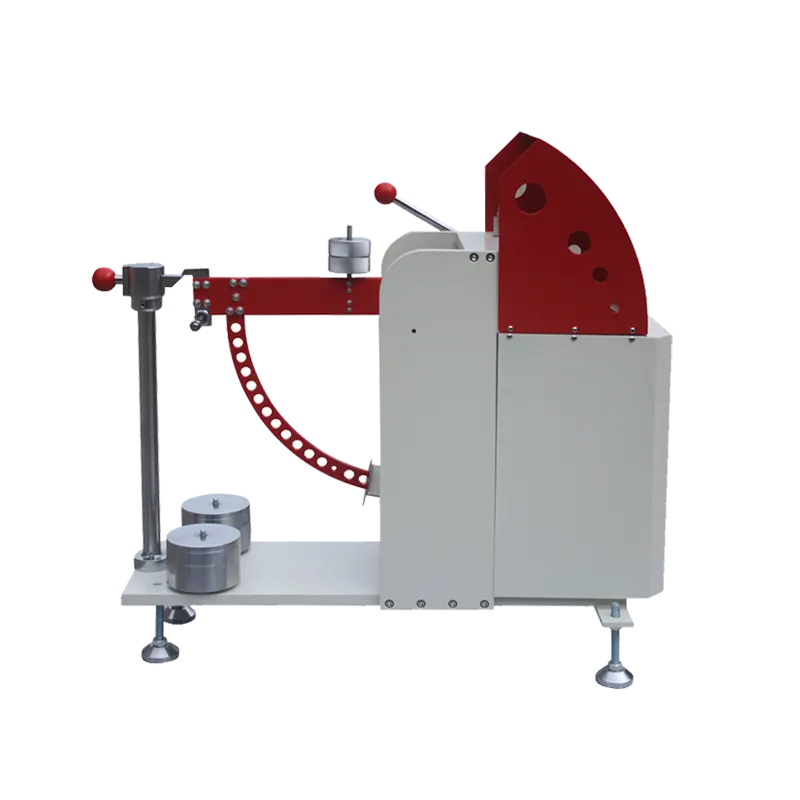
The DR-J207 rolls a loaded cylindrical roller across a secured flexible polyurethane foam specimen, combining vertical compression with lateral deflection. The laboratory compares controlled pre- and post-fatigue measurements to quantify thickness/support loss and inspect structural breakdown.
Quick answer: choose this machine when the governing method specifically requires roller-shear fatigue. Do not substitute a vertical pounding tester—the loading geometry, specimen restraint, failure mode and reportable results are different.
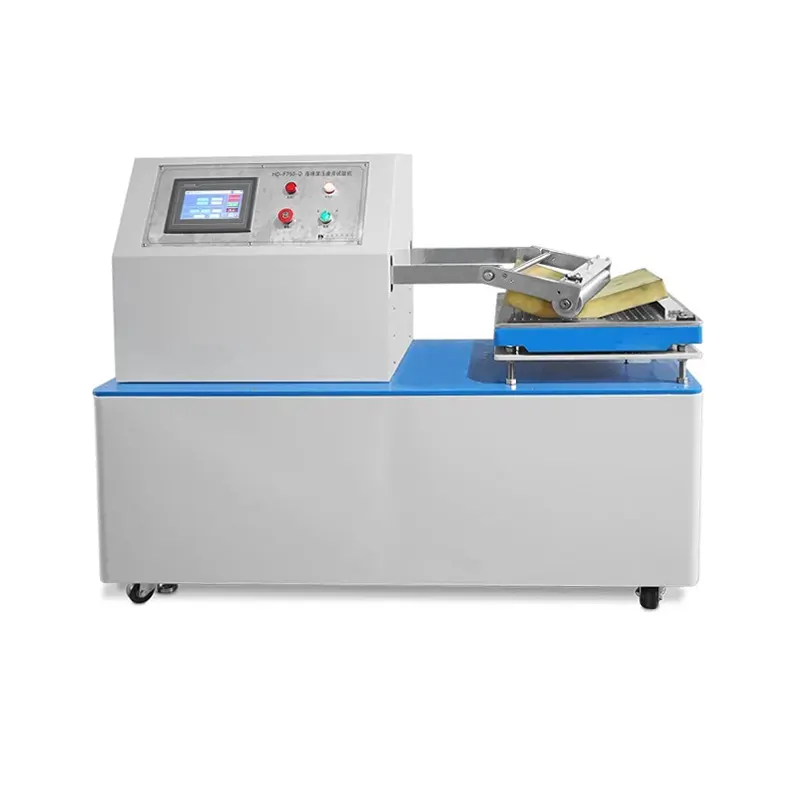
What Roller-Shear Fatigue Does
The loaded roller travels back and forth while the specimen is restrained on the support platen, repeatedly bending cell structure under compression and shear.
Constant roller load
The required force is established through the roller assembly and verified before the fatigue program.
Vertical compression
The roller deflects the foam thickness as it passes over the specimen.
Lateral deformation
Rolling travel adds shear/flex action that a stationary vertical indenter does not reproduce.
Repeated exposure
The counter controls the selected procedure’s cycle count and records abnormal stops.
Method identity: ASTM D3574 Test I2 is a roller-shear dynamic fatigue procedure at constant force; it must not be labelled only as a generic compression test.
Report Property Loss and Structural Breakdown
A cycle count alone is not a result. Link each specimen’s baseline, fatigue record, recovery interval and final measurements.
Thickness loss
Compare specified-load thickness before and after fatigue using the required recovery time and measurement load.
IRGL / support loss
Compare the method-defined indentation residual gauge length or related load-bearing measurement.
Visual breakdown
Record splitting, crumbling, delamination, permanent grooves or other structural damage under agreed criteria.
DR-J207 and Other Foam Testers Have Different Jobs
These machines can all compress foam, but they do not create interchangeable fatigue histories.
DR-J207 roller shear
Rolling constant-force fatigue combines compression and lateral deformation.
DR-J202 pounding
A vertical loading member repeatedly compresses the specimen without roller travel.
IFD / hardness
Measures force at specified indentation for firmness/support characterization.
Recovery time
Measures seconds for slow-recovery foam to return to a defined contact condition.
Configure ASTM D3574 Test I2 Correctly
| Method element | Why it matters | DR-J207 review |
|---|---|---|
| Procedure A or B | The procedures use the same loading concept but different cycle counts. | Confirm the current edition and required 8,000- or 20,000-cycle route. |
| Roller system | Diameter, length, surface, total load and alignment define the contact action. | Verify the complete assembly and 130 N method target where applicable. |
| Travel and rate | Stroke and cycles per minute determine rolling exposure and test duration. | Verify actual speed, endpoints, counter and stop response. |
| Base and restraint | Perforated platen and specimen hold-down affect movement, airflow and damage. | Confirm platen geometry, tape/cloth restraint and specimen clearance. |
| Pre/post measurements | Recovery time and measurement load determine the calculated loss. | Define the companion thickness/IRGL instrument and report workflow. |
Standard control: ASTM D3574 contains several different Test I fatigue procedures. The purchase specification must explicitly state Test I2 roller shear—not merely “ASTM D3574 fatigue.”
Control the Main Sources of Invalid Results
Specimen conditioning
Control age, temperature, humidity, dimensions, orientation and time since cutting.
Specimen restraint
Secure the required edges consistently without creating unintended preload or wrinkles.
Roller load
Verify total applied force and free movement before each test batch.
Alignment and travel
Keep the roller square to the path and clear of clamps at both endpoints.
Cycle integrity
Record programmed and completed cycles, rate, pauses, overloads and abnormal stops.
Recovery and remeasurement
Use the specified interval, load and locations for final thickness/support measurements.
Build a Verifiable DR-J207 RFQ
Send the controlled method and specimen information so the roller, load, travel, restraint and measurement workflow can be reviewed as one system.
Method and decision
- ASTM edition and Test I2
- Procedure A or B
- Acceptance limits
- Required outputs
Foam specimen
- Material and end use
- Length, width and thickness
- Sampling orientation
- Conditioning requirement
Fatigue program
- Roller load and geometry
- Travel and cycle rate
- Cycle count
- Hold-down arrangement
Lab and documents
- Throughput and power
- Pre/post measurement tools
- FAT and force verification
- Reports, manuals and training
DR-J207 Roller Shear Tester FAQs
01What does a foam roller shear tester evaluate?
02Which ASTM D3574 procedure applies?
03What is the difference between DR-J207 and a pounding tester?
04Are 8,000 and 20,000 cycles interchangeable?
05Does DR-J207 directly measure thickness loss?
06What is needed for a DR-J207 proposal?
Define the complete fatigue system: method + specimen + roller/load + cycles + recovery + measurements.