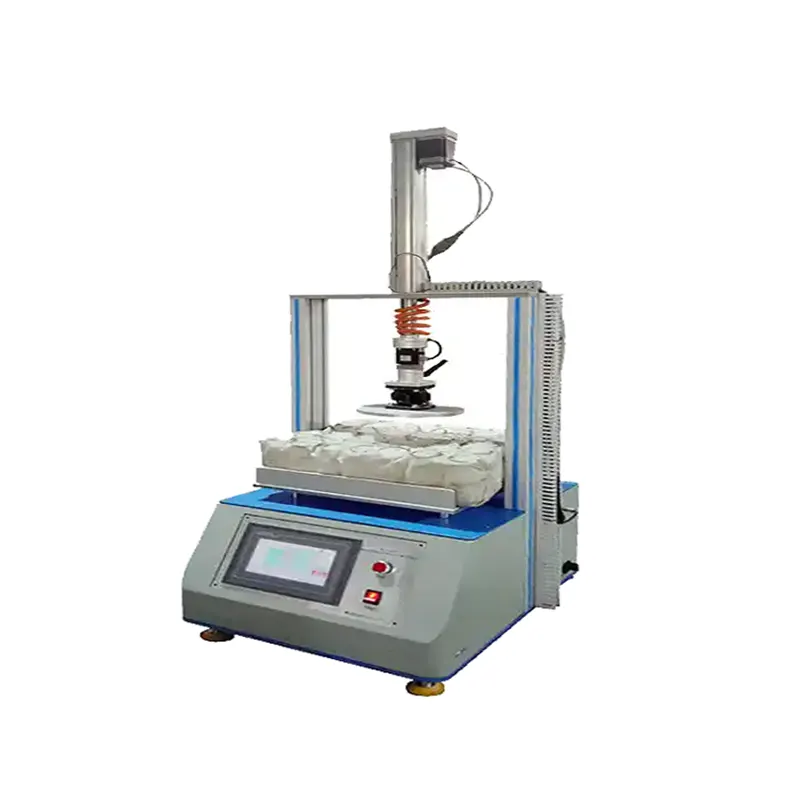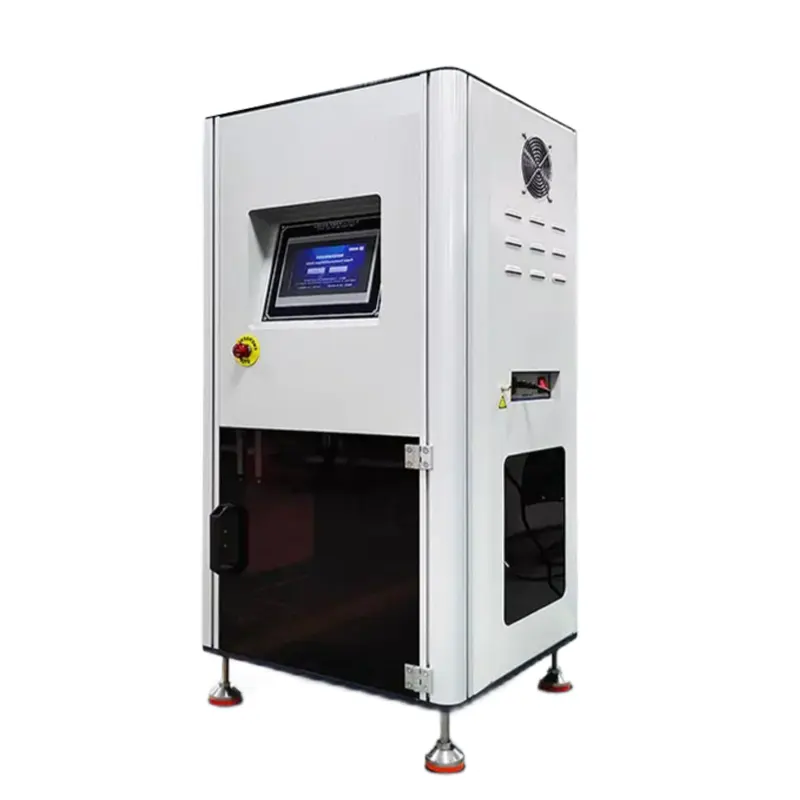
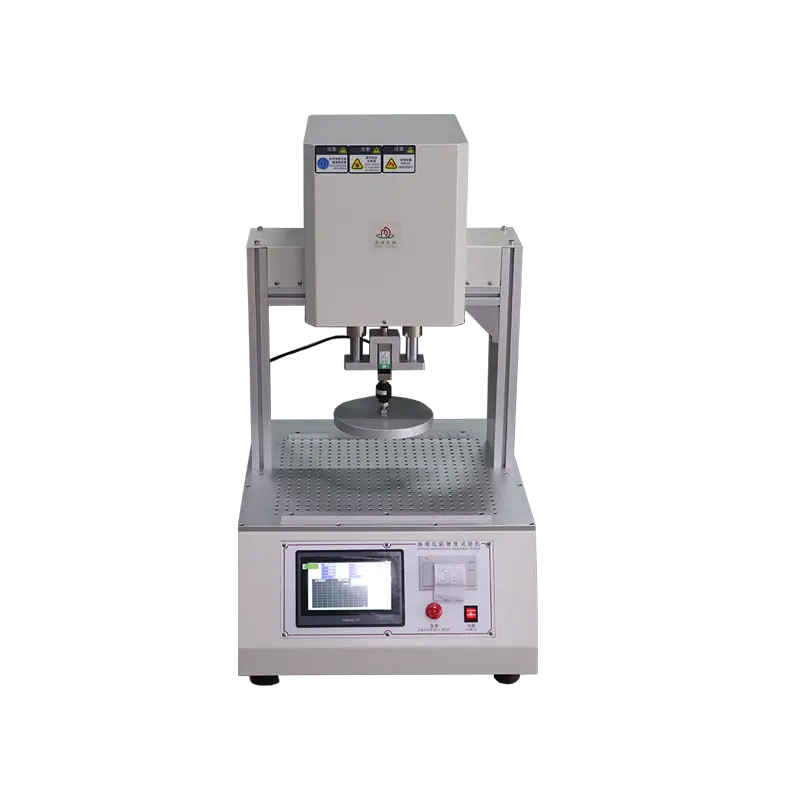


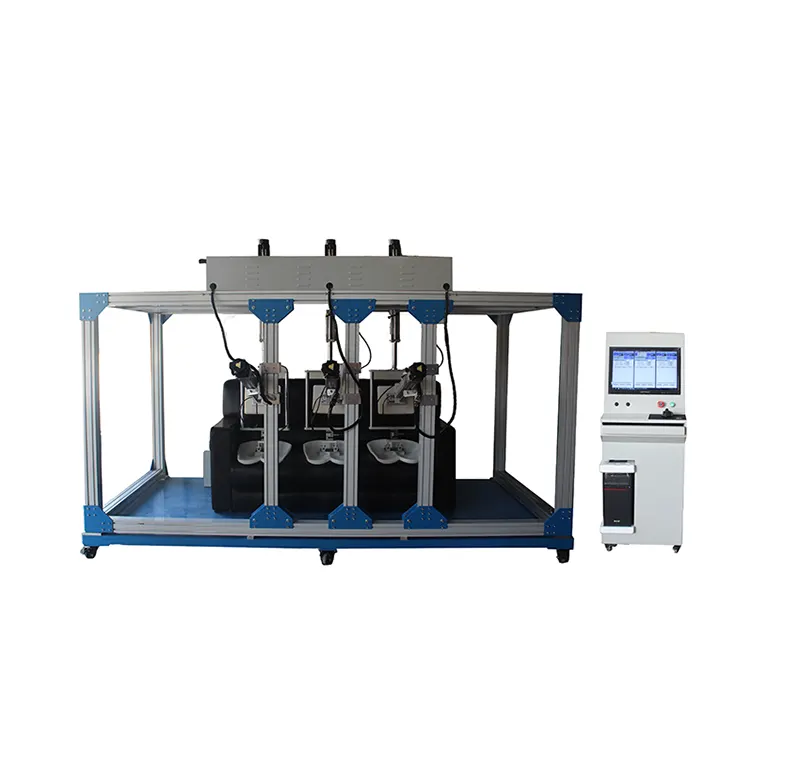
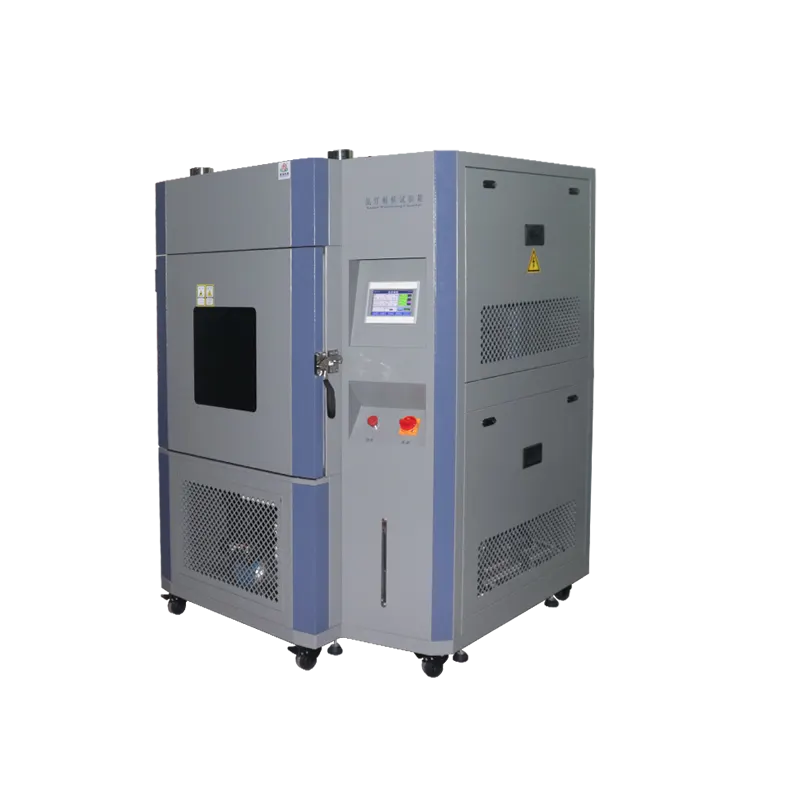
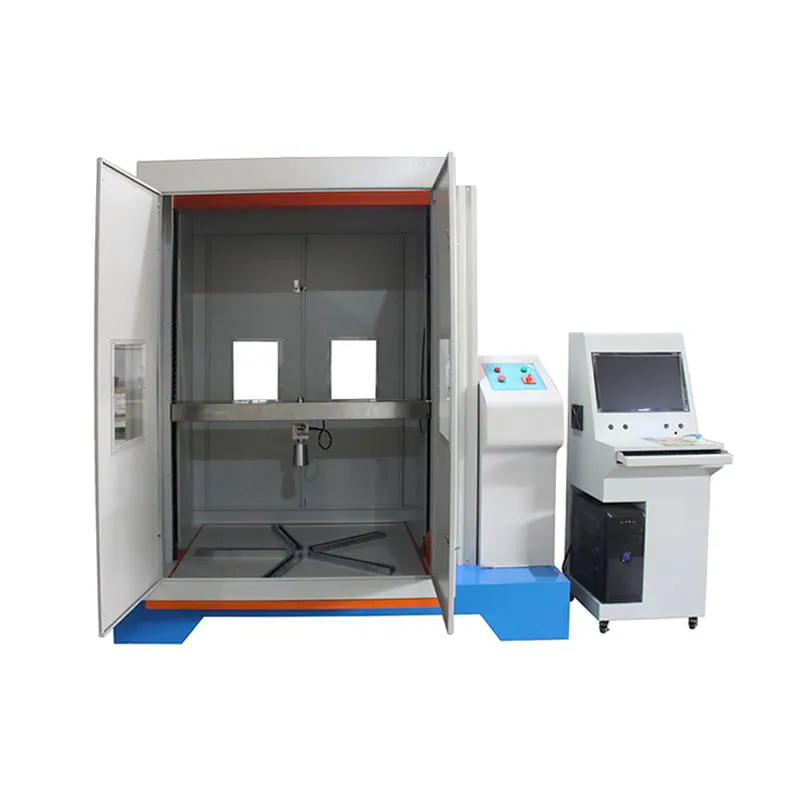
DR-J202 Foam Compression Fatigue Tester
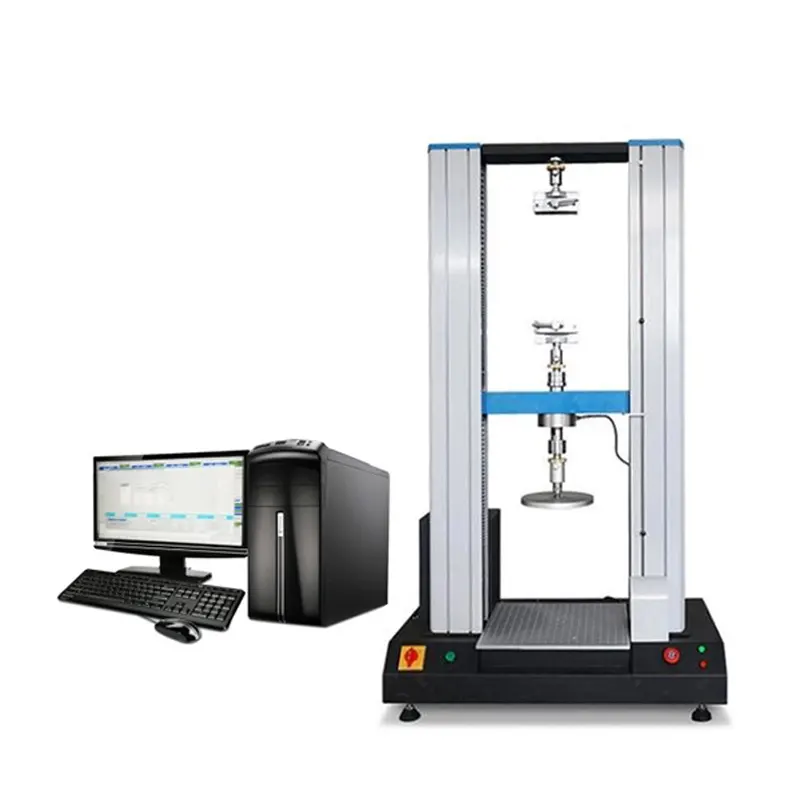
The DR-J202 repeatedly compresses a flexible foam specimen under a defined fatigue procedure so the laboratory can compare thickness, hardness or load-bearing behaviour before and after cycling.
Quick answer: this machine is for durability change after repeated loading—not a substitute for an indentation-hardness test by itself. Confirm the current method, specimen, platen, load or deflection, cycle rate, cycle count, conditioning and post-test measurements together.
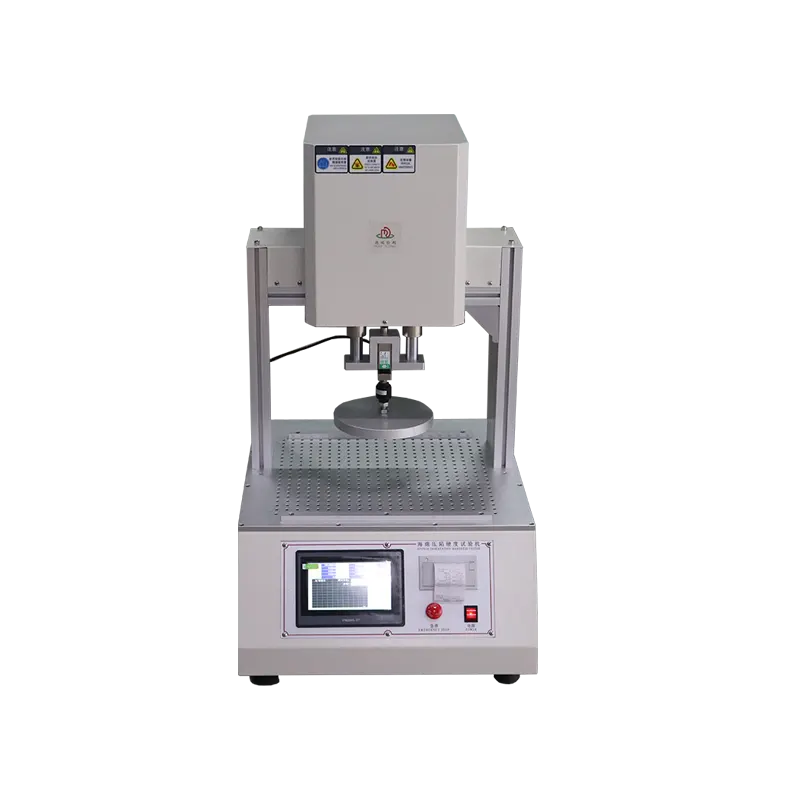
Fatigue, Hardness and Recovery Are Different Results
Separating these test intents prevents the wrong machine, fixture or report from being specified.
DR-J202 fatigue
Repeated loading followed by comparison of thickness and hardness or load-bearing change.
Indentation hardness
A controlled indentation measures force at specified deflection points; it can provide a pre/post fatigue result but is not the cycling stage.
Compression recovery
Measures recovery behaviour after a defined compression and time sequence rather than long-cycle pounding durability.
Foam test family
Use the category when the required property or equipment architecture is not yet fixed.
What a Fatigue Program Should Report
A useful result links the original specimen condition, the defined cycling exposure and the post-fatigue property change.
Baseline thickness
Record the conditioned specimen thickness using the method’s specified measurement practice.
Baseline support
Measure the required hardness, indentation force or load-bearing point before cycling.
Fatigue exposure
Document platen geometry, force or deflection, rate, cycles, interruptions and environment.
Post-test condition
Repeat the specified measurements after the required recovery period and note cracking, collapse or other visible change.
Typical calculated outputs: thickness loss (%) and hardness or support loss (%). Use the exact definitions and timing in the selected procedure; do not mix values from different methods.
Confirm the Exact Procedure Before Quotation
The standard name alone is insufficient. Provide the edition, test section, specimen form and required result.
| Method route | Primary intent | Configuration to verify |
|---|---|---|
| ISO 3385 | Loss in thickness and hardness of flexible cellular materials used in load-bearing upholstery. | Specimen/component form, loading member, force, speed, cycles, conditioning and pre/post measurements. |
| ASTM D3574 fatigue procedure | Dynamic fatigue evaluation within a wider collection of flexible polyurethane foam tests. | Exact test designation and procedure, support plate, indenter, cycling program and property measurements. |
| QB/T, QC/T or customer method | Market-, product- or customer-specific durability acceptance. | Send the controlled document; do not infer equivalence from a standard number. |
Compliance wording: DR-J202 should be described as configured for the agreed procedure only after all mechanical, control and measurement requirements have been checked.
Control the Main Sources of Invalid Results
Specimen conditioning
Control age, preparation, dimensions, orientation, temperature, humidity and recovery time.
Platen geometry
Verify diameter/profile, edge shape, alignment and contact with the specimen.
Support surface
Confirm platform size, perforation pattern and rigidity required by the method.
Cycle control
Record actual rate, travel/force limits, completed cycles, pauses and abnormal stops.
Measurement chain
Define which instrument measures baseline and post-test thickness and hardness.
Machine verification
Agree checks for force, displacement, speed, counter and safety before acceptance.
From Conditioned Specimen to Loss Calculation
Keep the cycling record and the pre/post measurement record connected to the same specimen ID.
1 · Define
Method edition, specimen, result, acceptance limit and deviations.
2 · Condition
Prepare and condition specimens, then assign traceable IDs.
3 · Measure baseline
Record thickness and the specified hardness/support value.
4 · Cycle
Run the approved loading program and retain cycle/stop records.
5 · Recover and remeasure
Follow the defined post-fatigue recovery and measurement sequence.
6 · Report
Calculate loss, note visible damage and state method/configuration details.
Send These Details With Your DR-J202 RFQ
Complete inputs reduce the risk of receiving a generic quotation that cannot run the intended method.
Material and method
- Foam type and intended product
- Standard, edition and procedure
- Specimen dimensions and quantity
- Acceptance criteria
Cycling program
- Force or deflection target
- Rate and total cycles
- Platen and support geometry
- Conditioning and recovery
Lab and documents
- Daily throughput
- Power and installation space
- Data/export needs
- Calibration, FAT and manuals
DR-J202 Foam Fatigue Tester FAQs
01What does a foam compression fatigue tester measure?
02Is DR-J202 an indentation hardness tester?
03Can one setup cover ISO 3385 and ASTM D3574?
04Which foam products can be evaluated?
05What causes inconsistent fatigue results?
06What is needed for a DR-J202 proposal?
Request the correct fatigue configuration: method + specimen + cycling program + result + documents.