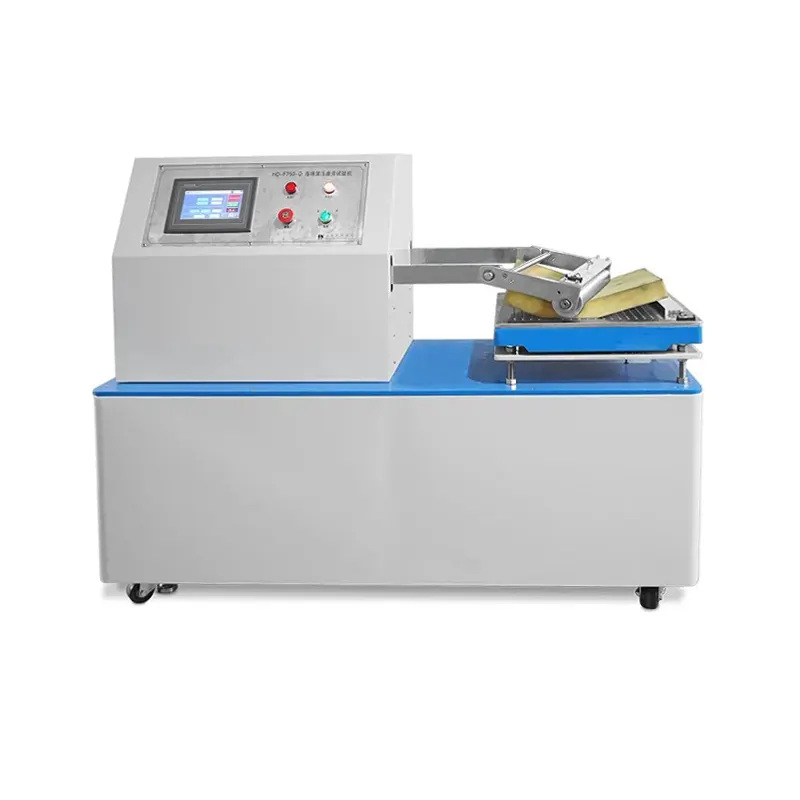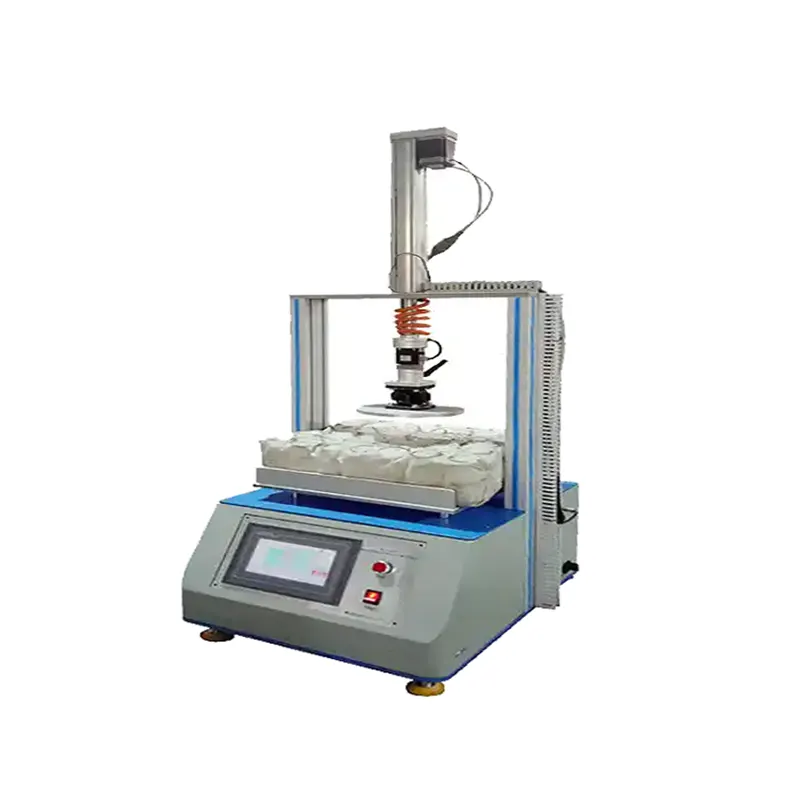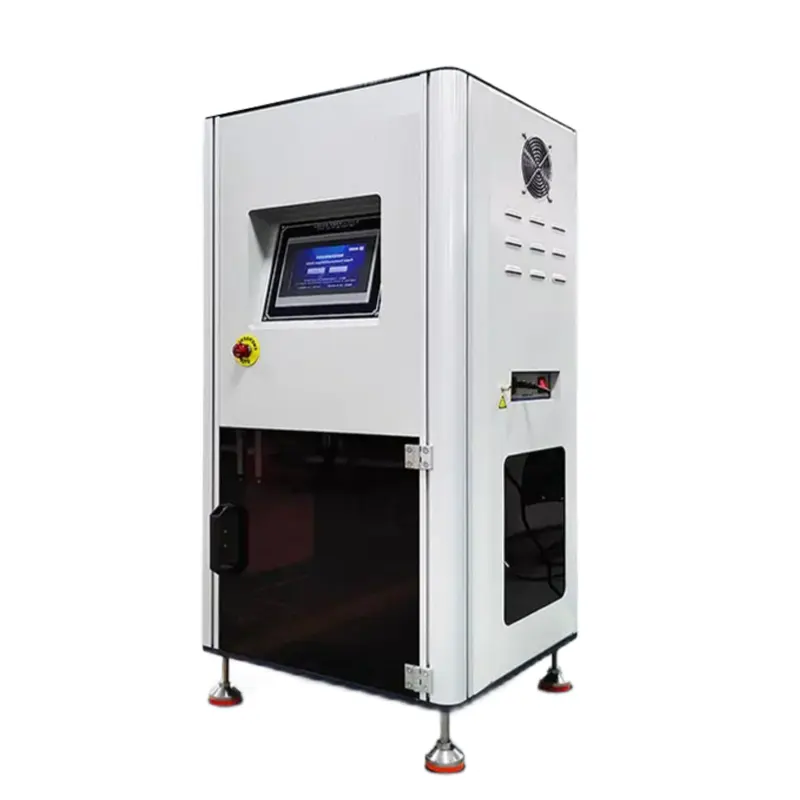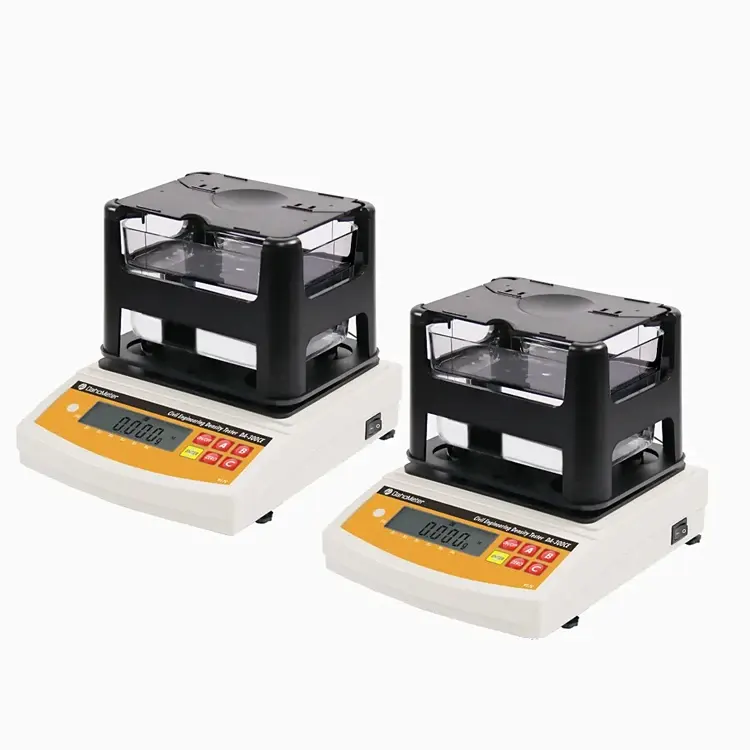



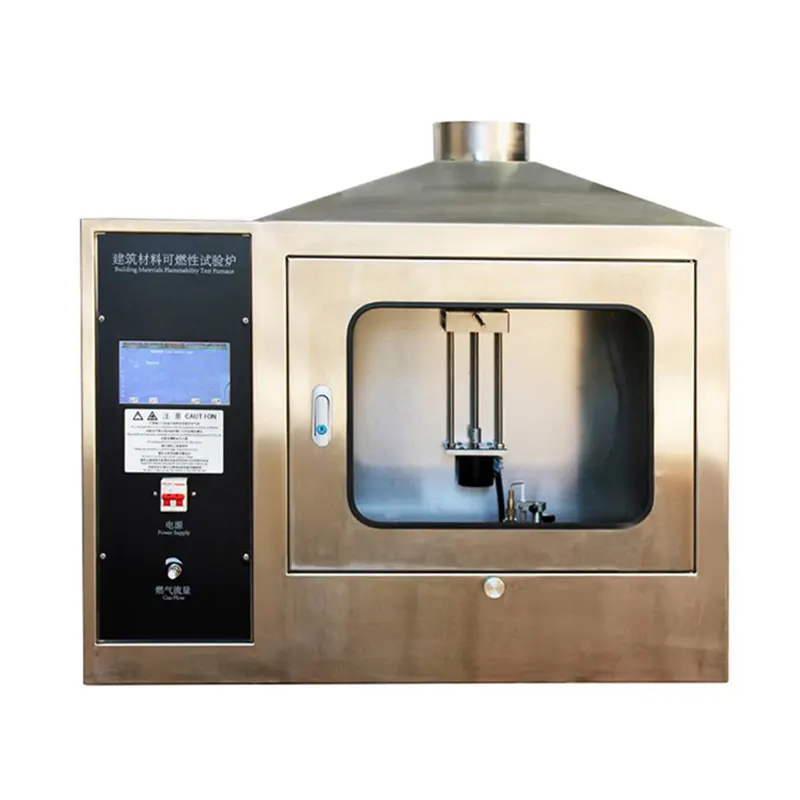
DR-C313-2 Foam Flammability Tester
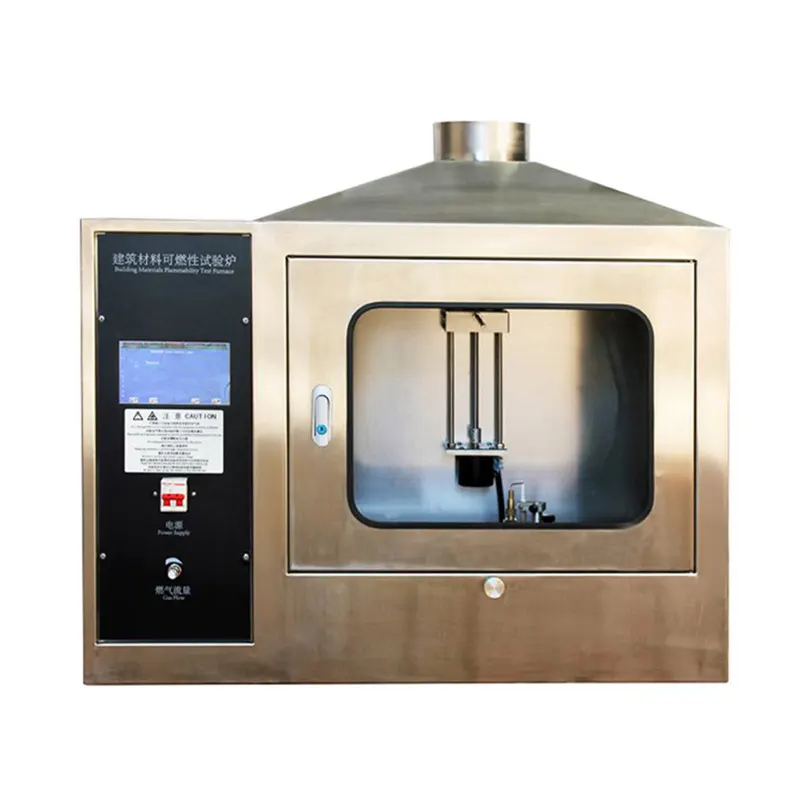
The DR-C313-2 provides an enclosed test environment for applying a defined small flame to a prepared cellular-material specimen. With the method-specific holder, burner position, timing marks and gas setup, the laboratory can record ignition response, burning time, damaged length or linear burning rate required by the selected procedure.
Quick answer: this tester compares material response under one controlled laboratory method. It does not by itself certify a finished mattress, seat, vehicle interior or insulation product, and its results must not be presented as a prediction of real-fire behaviour.
How a Valid Foam Burning Test Works
The final number is meaningful only when specimen preparation, flame exposure, chamber conditions and observation rules follow the same current procedure.
Prepare and condition
Cut the required dimensions, identify surface and orientation, mark the prescribed gauge positions and condition the specimen.
Set holder and flame
Install the correct support, align the burner and verify gas, flame height and application position.
Expose and observe
Apply the flame for the stated time, then observe the flame front, self-extinguishing behaviour and abnormal events.
Measure and classify
Record time, burned distance, calculated rate and classification only as defined by the governing method.
Traceability rule: method edition, foam identification, density/thickness where required, conditioning, orientation, gas, flame check, exposure time, individual results and observations belong in one test record.
Select the Standard Before the Chamber Configuration
| Method path | Primary scope | DR-C313-2 review |
|---|---|---|
| ISO 3582 | Horizontal small-flame assessment of flexible cellular polymeric material specimens. | Confirm current base standard plus amendment, specimen thickness, holder, flame and result calculation. |
| ISO 9772 / ASTM D4986 | Horizontal burning characteristics of eligible cellular plastics under controlled small-flame exposure. | Confirm material density/scope, specimen support, gauge marks, exposure, rate calculation and classification. |
| FMVSS 302 | Horizontal burn resistance of specified materials used in vehicle occupant compartments. | Confirm regulatory applicability, composite construction, exposed surface, holder, chamber and pass/fail report. |
| UL 94 foam-material path | Applicable horizontal burning classification for foamed materials under the specified UL procedure. | Identify the exact UL method/classification; verify licensed procedure, holder, burner and result rules separately. |
| Customer/OEM method | Automotive, furniture, rail, aviation or internal specification. | Provide the full controlled document; similar apparatus does not prove method equivalence. |
Configuration boundary: the listed foam pathways are primarily horizontal. Do not advertise “horizontal and vertical tests” unless the ordered holder, burner motion, chamber clearances, control sequence and acceptance check have been verified for the exact vertical procedure.
Keep DR-C313-2 in Its Own Test Path
Use the property named in the specification. Density, support, durability and airflow cannot substitute for burning behaviour.
DR-C313-2 · flame response
Applies a controlled ignition source and records method-defined burning behaviour.
Density
Mass-to-volume data may be reported with a fire test, but it does not predict pass/fail by itself.
Airflow
Cell openness affects air passage; it is not a replacement for a small-flame exposure result.
Mechanical performance
IFD, recovery and fatigue describe support and durability after loading—not ignition or flame spread.
Control the Main Sources of Invalid Results
Wrong specimen
Thickness, density, skin, cut direction, composite layers and conditioning can change the observed response.
Incorrect support
Holder dimensions, wire support, orientation and sag must match the selected procedure.
Unverified flame
Gas, burner geometry, flame height, angle, position and exposure time require method-specific checks.
Draft or exhaust error
Uncontrolled airflow alters flame-front travel; exhaust must not distort the test during exposure.
Timing and mark error
Start/stop rules and gauge positions control burn time, length and rate calculations.
Poor residue handling
Dripping, melting, smoke and glowing require safe observation, cleaning and documented abnormal events.
Where Foam Burning Data Adds Value
Material development
Screen formulations and flame-retardant systems using the same specimen preparation and exposure method.
Incoming and process QC
Detect supplier or production shifts against an agreed method, sampling plan and acceptance rule.
Pre-compliance planning
Identify candidates for further product-level or regulatory evaluation before expensive external testing.
Build a Verifiable DR-C313-2 RFQ
Send the exact test document and intended result before DERUI confirms the chamber, holder, burner and controls.
Method and decision
- Standard/OEM method and edition
- Required classification or limit
- Material screening or compliance use
- Permitted deviations
Specimen system
- Foam type, density and end use
- Dimensions, thickness and surface
- Single or composite construction
- Orientation and conditioning
Exposure and observation
- Holder/support geometry
- Gas and burner requirement
- Flame position/application time
- Timing, length and rate outputs
Safety and evidence
- Ventilation and exhaust interface
- Ignition/interlock requirements
- FAT specimens and checks
- Reports, power and destination
DR-C313-2 Foam Flammability Tester FAQs
01What does the DR-C313-2 measure?
02Does a passing foam test prove the finished product is fire-safe?
03Are ISO 3582 and ISO 9772 the same method?
04Can this machine be used for FMVSS 302?
05Can one fixed setup run every UL, ISO and automotive method?
06What is needed for a DR-C313-2 proposal?
Define the complete burning method: standard + specimen + holder + gas + flame + timing + result + safety.