


What Is a Single-Wing Drop Test Machine?
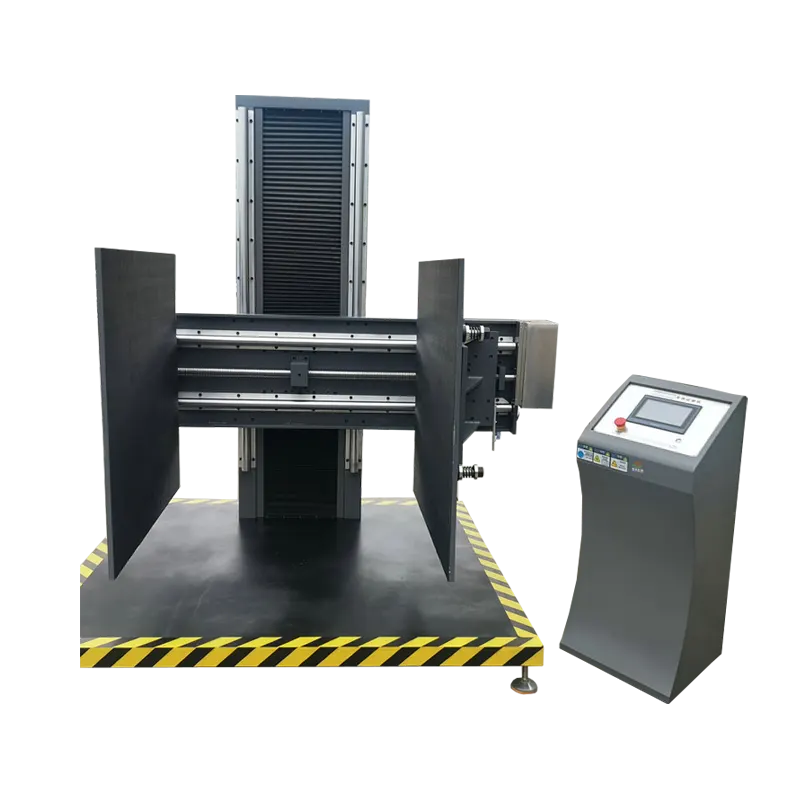
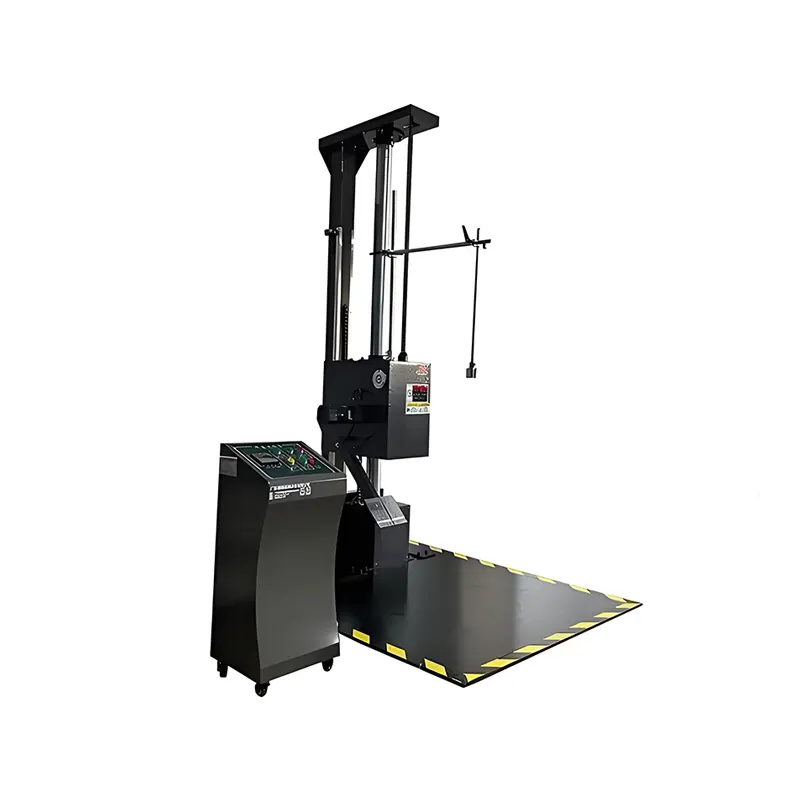
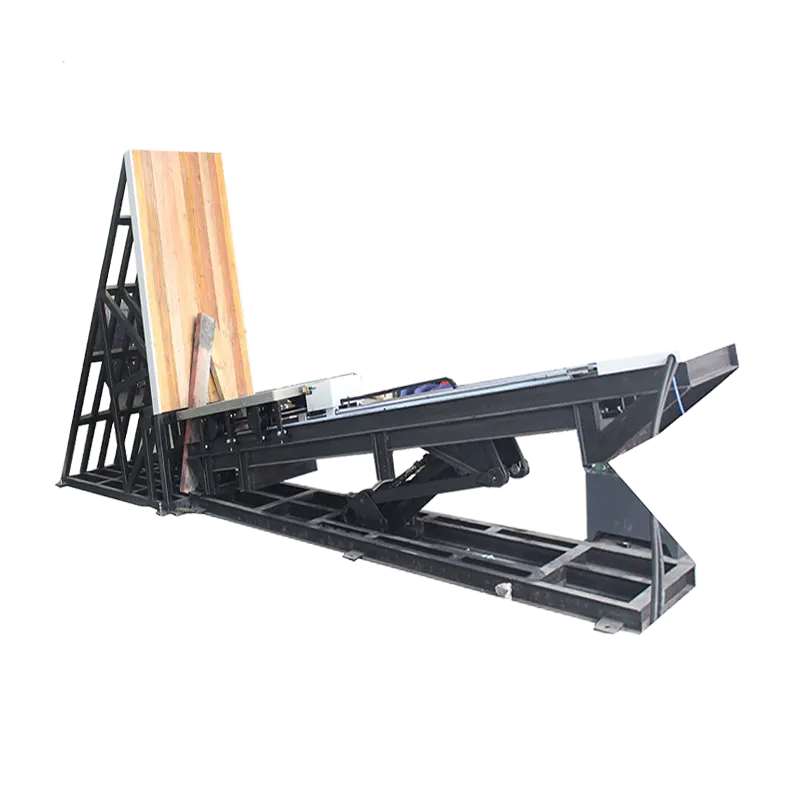
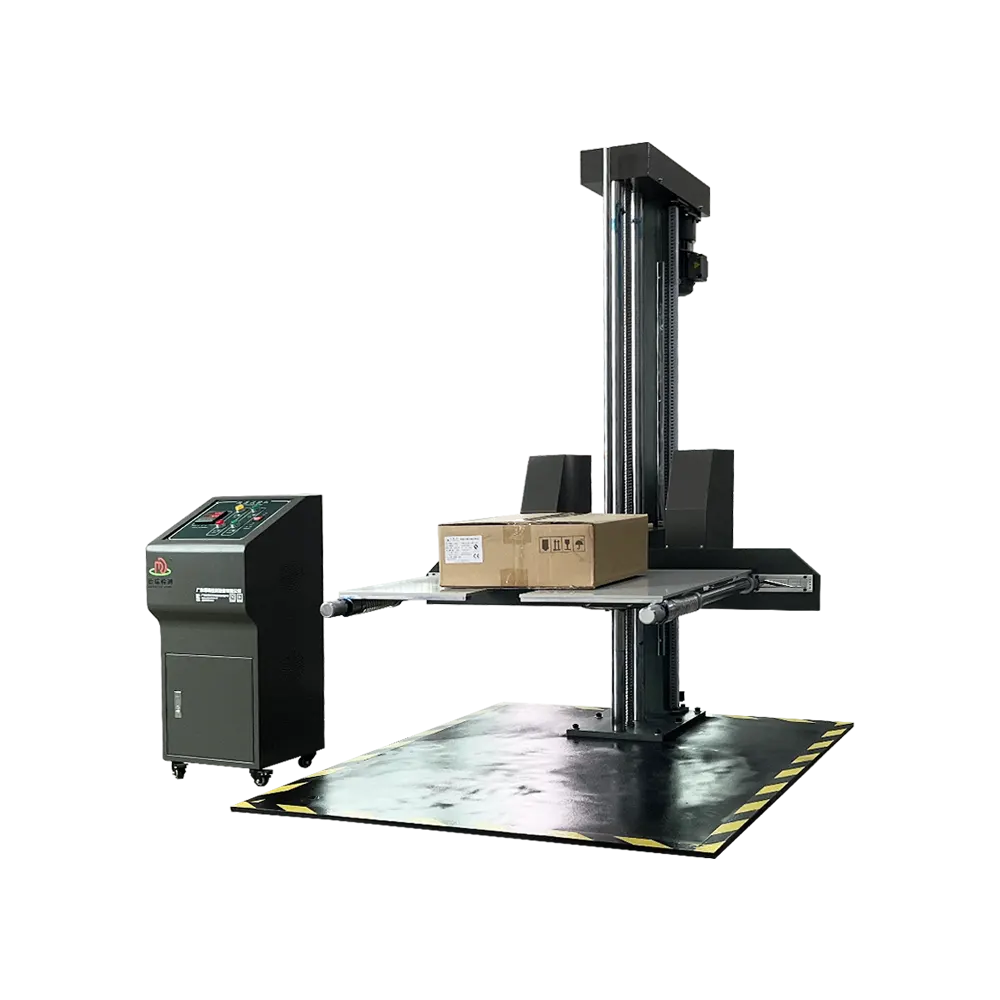
A single-wing drop test machine supports a packaged product at a defined height and releases the support so the specimen can strike a rigid impact surface after a free fall. The DR-B217 is intended for controlled package drop testing in selected face, edge or corner attitudes when the specimen, positioning method and release clearance are compatible with the equipment.
Quick answer: start with the complete loaded package—not the empty carton. Confirm its mass, L × W × H, required drop height, impact attitudes, sequence, impact surface and inspection criteria before selecting this machine.
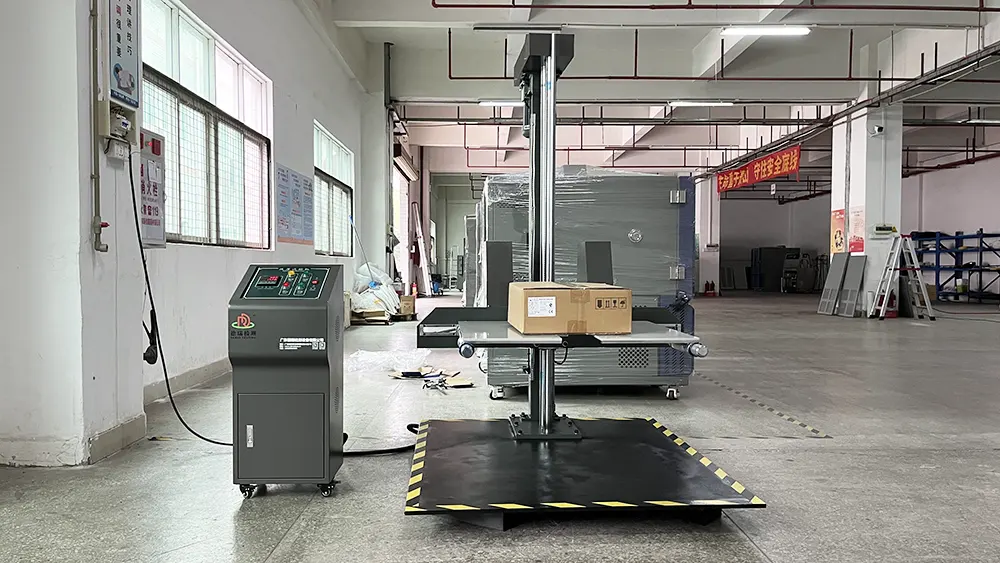
Is DR-B217 the Right Drop Tester?
“100 kg” and “1500 mm” are only headline limits. The support, lifting range and release path must accommodate the complete package in every required test attitude.
Potentially suitable
- Loaded boxes and other packages within the confirmed mass, envelope and usable drop-height range.
- Controlled free-fall testing where face, edge or corner attitudes can be prepared with compatible positioning aids.
- Packaging design comparisons, production checks and failure investigations using a documented procedure.
- Facilities that can provide a suitable impact zone, working clearance and controlled exclusion area.
Review another configuration when
- The package exceeds 100 kg, 800 × 800 × 800 mm or the supported release geometry.
- The required height is outside 300–1500 mm after allowing for the installed package and test attitude.
- A very large, unstable or non-manually handled load requires a different handling or impact-test method.
- Instrumented shock, acceleration or impact-force data are required but compatible sensors and acquisition are not confirmed.
Six Conditions That Control a Package Drop Test
A repeatable result requires more than selecting a height. Document these conditions before testing and keep them consistent when comparing package designs or production lots.
Complete specimen
Record product, packaging, cushioning, closures, accessories, total mass, dimensions and pre-test condition.
Drop height
Use the height and reference point defined by the current procedure. Do not substitute an assumed height based only on package weight.
Impact attitude
Identify every face, edge and corner by the method’s numbering convention and record the required sequence.
Release condition
The support must release without obstructing free fall or adding unintended rotation, lateral motion or secondary contact.
Impact surface
Confirm material, rigidity, level, size, anchoring and clear impact area against the applicable procedure and facility plan.
Evaluation
Define package inspection, product function, leakage, seal, cosmetic and other pass/fail criteria before the first drop.
Match the Equipment to the Current Procedure
The machine creates a controlled release. The procedure defines the specimen, conditioning, height, attitude, sequence, impact surface and evaluation. Confirm the exact edition and applicable section before claiming compatibility.
Vertical impact by dropping
The official scope covers complete, filled transport packages. Atmospheric condition, drop height and package attitude are predetermined, and the package strikes a rigid plane surface after free fall.
Loaded containers by free fall
The method covers loaded boxes, cylindrical containers, bags and sacks. ASTM notes particular suitability for containers normally handled manually and addresses the relationship to ISO procedures for containers not exceeding 50 kg.
One step in a broader distribution sequence
A free-fall drop can be one part of a program that also requires conditioning, vibration, compression or other hazards. Owning this machine does not certify a package or complete the entire program.
Capacity boundary: the machine’s published 100 kg maximum does not mean every standard applies to a 100 kg package. Method scope, handling classification, release safety and alternative procedures must be reviewed separately.
Prepare, Release, Inspect and Record
Use the delivered manual and laboratory procedure. Keep people outside the impact zone and never improvise positioning or repair while the lifting or release system is energized.
Document
Identify the loaded package, condition, mass, dimensions, orientation sequence and acceptance criteria.
Inspect
Check the impact area, support, travel path, limits, fasteners and permitted safety functions.
Position
Set the required height and prepare the specified face, edge or corner attitude with compatible aids.
Release
Clear the exclusion area, initiate release and do not approach until all movement has stopped.
Evaluate
Record actual settings, attitude, visible package damage, product function and pass/fail decision.
Routine controls
- Keep the impact surface and travel path clean and unobstructed.
- Inspect support, release, lifting, limit and emergency functions as defined by the manual.
- Document height checks, service and configuration changes through the quality system.
Stop and request qualified support
- The support does not release cleanly or returns abnormally.
- Height indication, travel limits or safety controls are unreliable.
- Structural, electrical or lifting-system damage is visible.
- The package cannot be positioned without unstable handling or operator exposure.
Single-Wing Package Drop Tester FAQs
Use these answers to review the package, drop condition, equipment capability and information needed for a model-specific quotation.
01What is the maximum package size and mass?
The current product page lists a maximum sample mass of 100 kg and maximum sample size of 800 × 800 × 800 mm. Confirm that the actual loaded package, support contact and required face, edge and corner attitudes fit safely within the release geometry.
02What is the DR-B217 drop-height range?
The published range is 300–1500 mm, with customization stated as available. Confirm how drop height is referenced and the usable range with the real package installed before ordering.
03Can it perform face, edge and corner drops?
These package attitudes may be possible when the specimen can be positioned and released using compatible supports or aids. Send the required sequence and package drawing so every attitude can be reviewed; do not infer compatibility from the machine name alone.
04Does the machine measure impact force or acceleration?
The current published specification confirms drop height display but does not establish an instrumented impact-force or acceleration measurement system. If shock pulses, acceleration, force or high-speed video are required, specify the sensors, channels, sampling and reporting needs for a separate compatibility review.
05Is the tester automatically compliant with ISO 2248 or ASTM D5276?
No. The complete setup must match the current procedure, including specimen condition, mass, height, attitude, release, impact surface, environment and evaluation. ASTM D5276 also identifies scope and handling considerations that must be checked against the package.
06What information is needed for a quotation?
Send the loaded package mass and dimensions, product and packaging construction, required procedure and edition, drop heights, face/edge/corner sequence, test frequency, inspection criteria, installation space, power supply, destination country and document requirements.
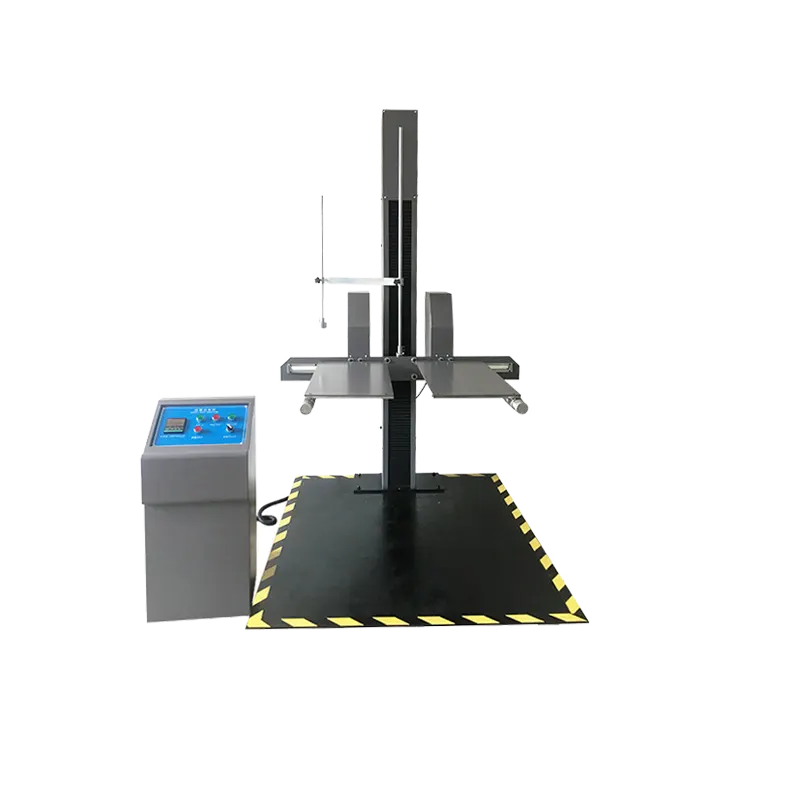
Match DR-B217 to Your Loaded Package
Send package mass and dimensions, method, required heights, impact sequence and installation conditions for review.