


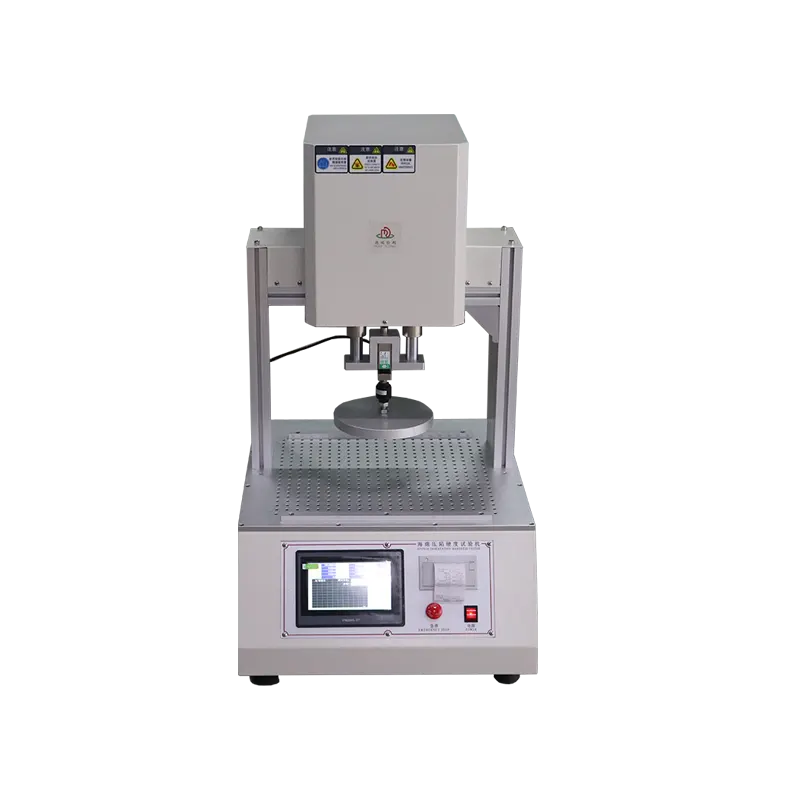
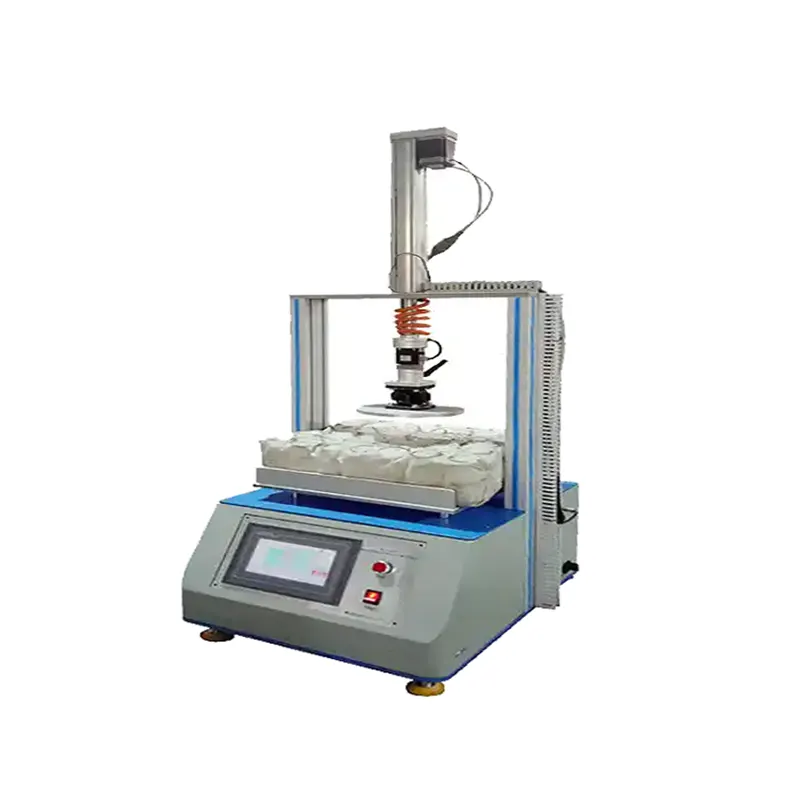
What Is an Automatic Bursting Strength Tester?
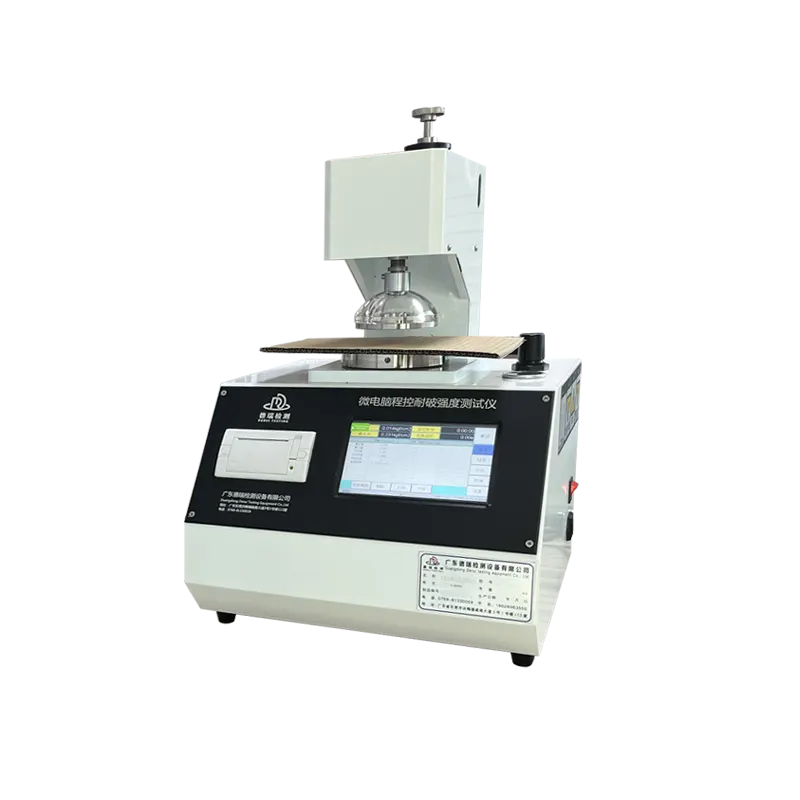
An automatic bursting strength tester clamps a sheet over an elastic diaphragm, applies increasing hydraulic pressure and records the maximum pressure at rupture. DERUI DR-B201 is published with separate paperboard and paper configurations so the pressure range, clamp openings, diaphragm and hydraulic delivery can be matched to the selected method.
Quick answer: choose by the material, current test method and expected minimum-to-maximum burst pressure—not by the words “paper and board tester” alone. Paper and board methods may require different apparatus conditions even when their result ranges overlap.
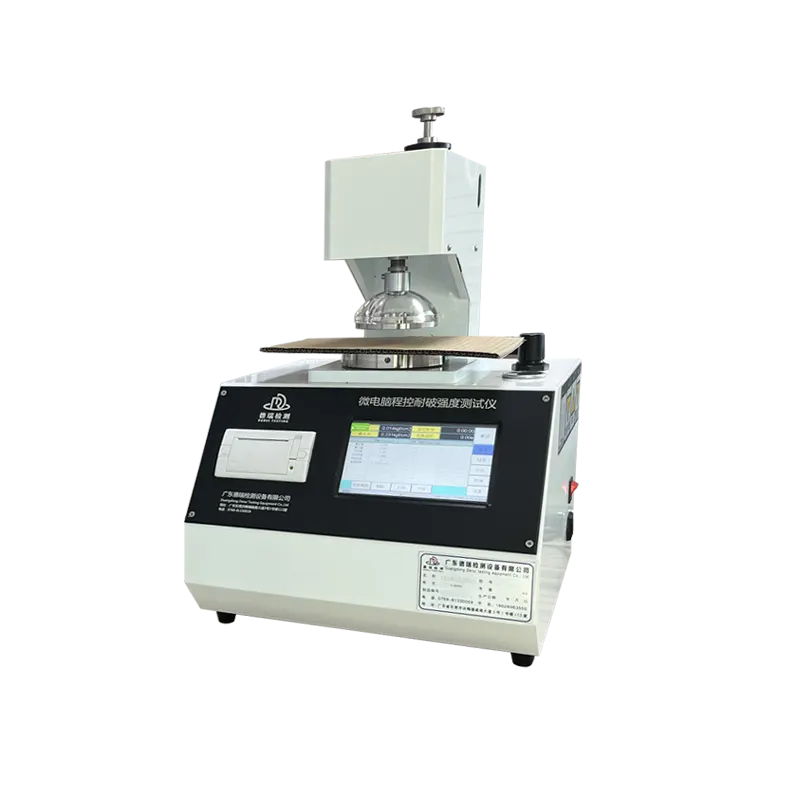
Paper or Board: Select the Test System First
The expected pressure is important, but it does not replace material classification. Linerboard and fluting used in combined board should not automatically be treated as ordinary paper merely because the expected result is below 1400 kPa.
Paper configuration
Published capacity: 0–1200 kPa
- Upper clamp-ring opening: Φ30.5 ± 0.1 mm.
- Lower clamp-ring opening: Φ33.1 ± 0.1 mm.
- Published hydraulic delivery: 90 ± 5 ml/min.
- Supplied low-pressure diaphragm and correction sheets must match the ordered configuration.
- Compare the required ISO 2758 or named customer method with the final apparatus specification.
Paperboard configuration
Published capacity: up to 4500 kPa
- Upper and lower clamp-ring openings: Φ31.5 ± 0.1 mm.
- Published hydraulic delivery: 170 ± 15 ml/min.
- Intended starting point for board, including relevant corrugated-board materials.
- Check whether expected results extend beyond the currently published 4500 kPa capacity.
- Compare the required ISO 2759 or named customer method with the final apparatus specification.
From a Conditioned Sheet to a Burst Result
Reliable bursting strength comes from a controlled measurement system. The specimen, clamp, diaphragm, hydraulic delivery and pressure measurement all affect the recorded rupture pressure.
Identify and condition
Record material, grade, batch, grammage or basis weight, sampling direction and the conditioning required by the current method.
Select the configuration
Load the approved paper or paperboard method and confirm the correct clamp-ring geometry, diaphragm and pressure range.
Place the specimen
Position an undamaged test area flat across the circular opening; avoid folds, wrinkles, previous clamp marks and defective edges.
Clamp without slip
Apply the specified clamping condition so the sheet cannot slip while avoiding unintended specimen damage before pressurization.
Pressurize to rupture
The hydraulic fluid expands the elastic diaphragm against the sheet. The pressure transmitter tracks the increasing pressure until rupture.
Validate and report
Review the rupture event, reject invalid tests under the method, then retain individual values, statistics, units and required calculations.
Do Not Treat Every Burst Method as Interchangeable
The shared hydraulic-diaphragm principle does not make paper, board and textile methods equivalent. The named document and edition control specimen preparation, apparatus, diaphragm, clamping, pressure delivery, validity and reporting.
Paper—determination of bursting strength
ISO states a 70–1400 kPa application range for paper and directs components of combined board, such as linerboard and fluting medium, toward ISO 2759.
Board—determination of bursting strength
ISO states a 350–5500 kPa range for board, including corrugated and solid fibreboard, with limited lower-range use described by the standard.
Confirm the exact regional method
A customer may specify TAPPI T 403 for paper or TAPPI T 807 for linerboard. Confirm the current edition and apparatus requirements instead of substituting an ISO procedure.
Textile diaphragm bursting is a different scope
ASTM D3786 is used for textile fabrics. Do not claim that this paper-and-board DR-B201 configuration supports that method without a separately verified textile test head, measurement system and written specification.
Configuration statement: this page describes a product starting point, not automatic compliance. Ask DERUI to identify the pressure system, clamp openings, diaphragm, hydraulic delivery, software method and verification documents supplied for your named procedure.
Eight Inputs to Send Before Requesting a Quote
These details let the pressure range, test head, diaphragm, controls and documentation be reviewed together. They also prevent a technically incomplete quotation based only on a product name.
Automatic Bursting Strength Tester FAQ
Short answers for material testing, method selection and purchasing decisions.
What does an automatic bursting strength tester measure?
It measures the maximum hydraulic pressure sustained by a clamped sheet before rupture over an expanding elastic diaphragm. The recorded value is bursting strength; burst index is a separate calculation using grammage.
Can DR-B201 test both paper and board?
The product page publishes separate paper and paperboard configurations with different capacity ranges, clamp openings, hydraulic delivery and accessories. Confirm which configuration—or combination—is included in the quotation and whether it meets your exact method.
What is the difference between ISO 2758 and ISO 2759?
ISO 2758 is the paper method and ISO publishes a 70–1400 kPa application range. ISO 2759 is the board method, including corrugated and solid fibreboard, with a published 350–5500 kPa range. Material classification controls selection, not pressure alone.
Does this tester measure a finished box's stacking strength?
No. A sheet burst test measures local rupture pressure of paper or board. Use a box compression tester when the decision concerns the load-bearing performance of an assembled shipping container.
Can the same machine be used for textile ASTM D3786 testing?
Do not assume so. Textile diaphragm bursting uses a different method scope and may require different test-head geometry, pressure/expansion measurement and apparatus. This DR-B201 page should be treated as paper-and-board equipment unless a textile configuration is separately documented.
What should be confirmed before ordering?
Send the material, method and edition, expected pressure range, grammage or construction, tests per shift, reporting needs, verification documents, voltage/frequency and available air supply. Ask for the final range, clamp, diaphragm, hydraulic delivery and software configuration in writing.
Request a DR-B201 configuration review
Send your material, method, expected pressure range, workload, reporting needs, destination country and available air supply. DERUI can then review the paper or paperboard test system and required documents.