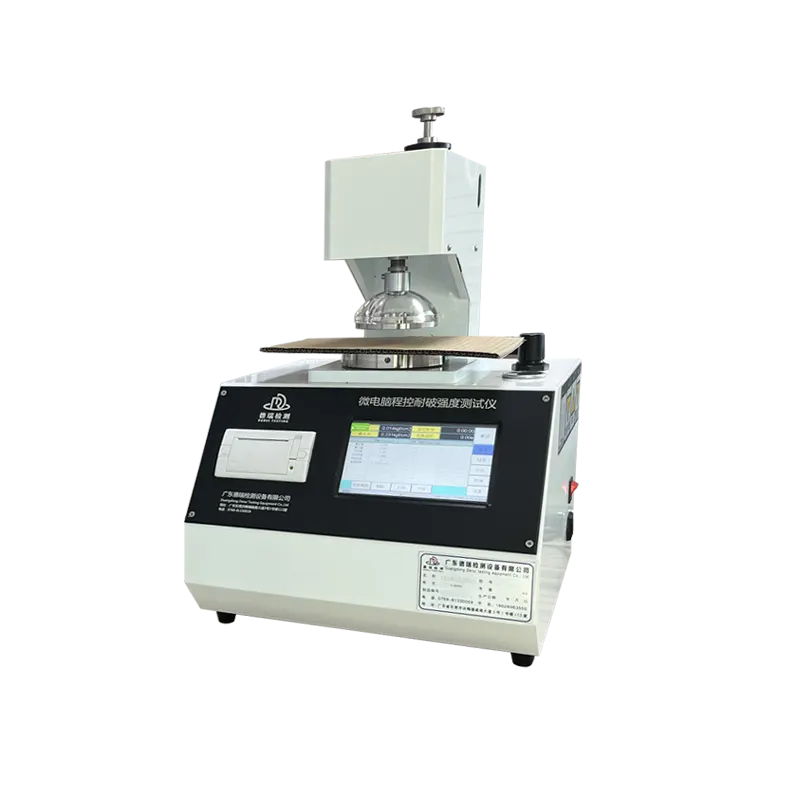
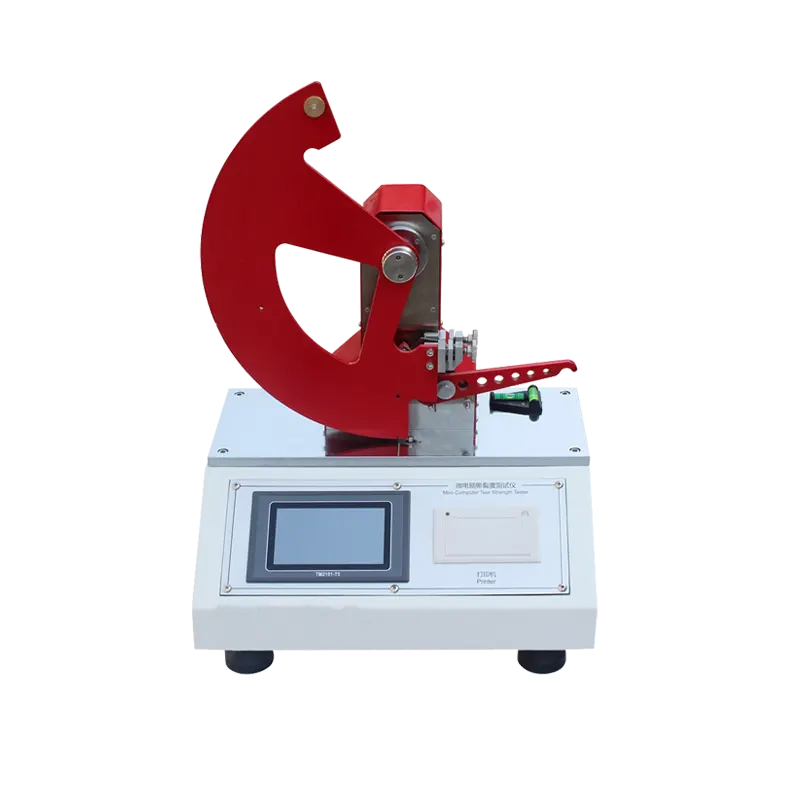


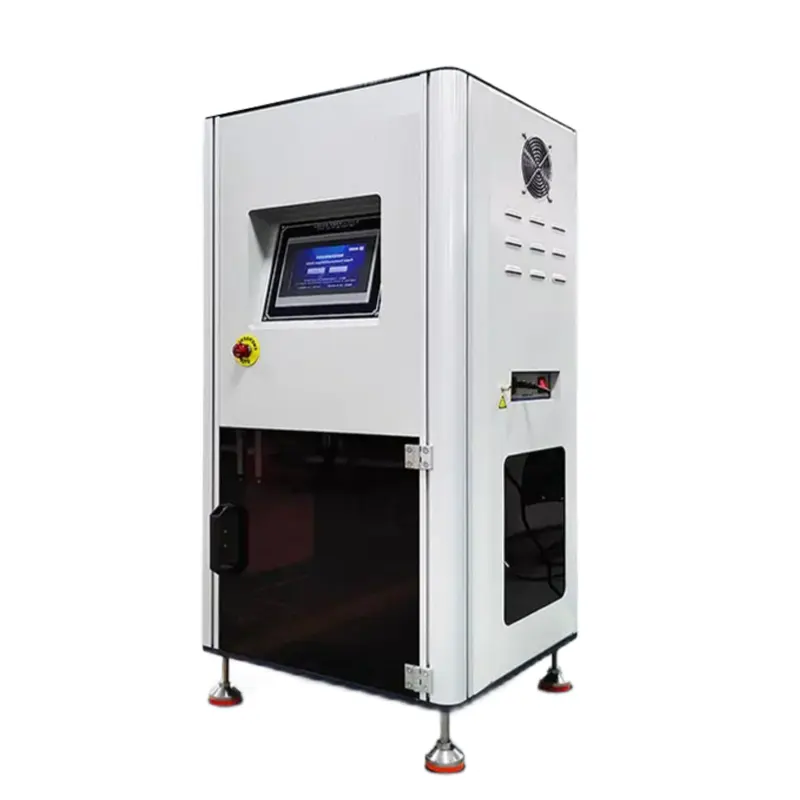
What Is an Elmendorf Tear Strength Test Machine?
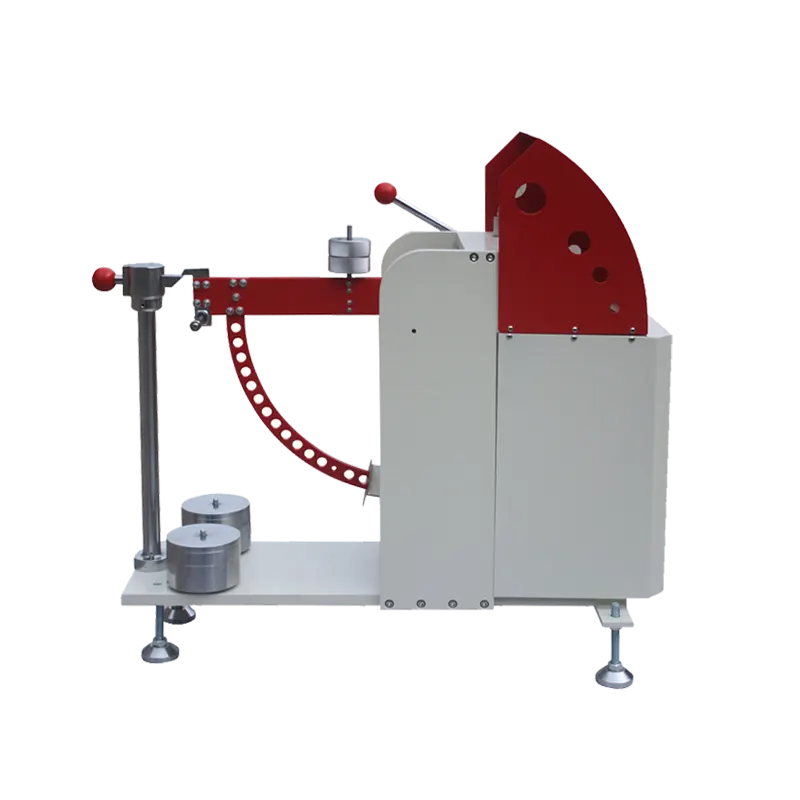
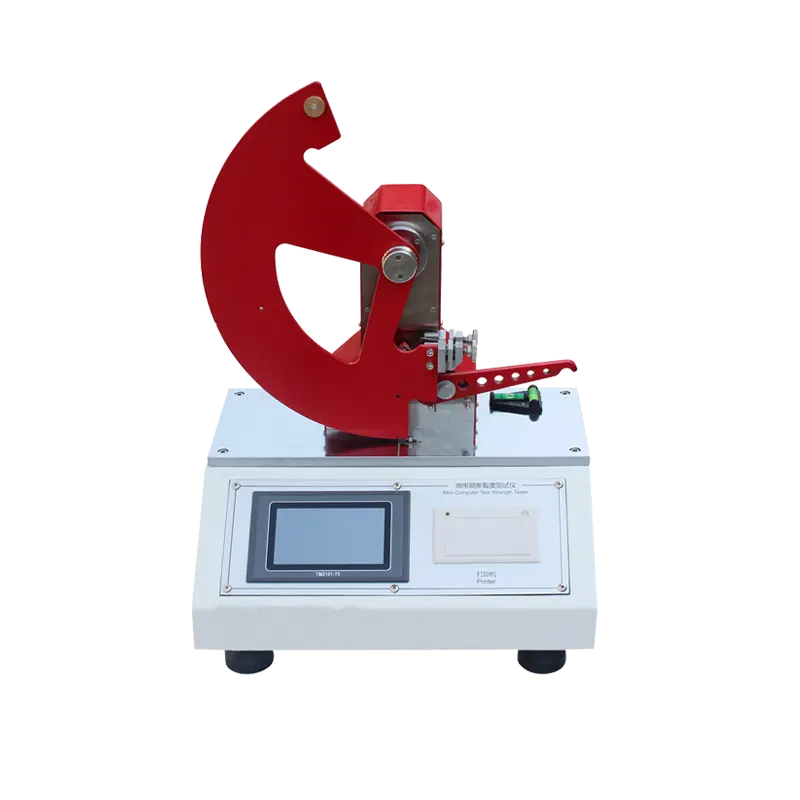
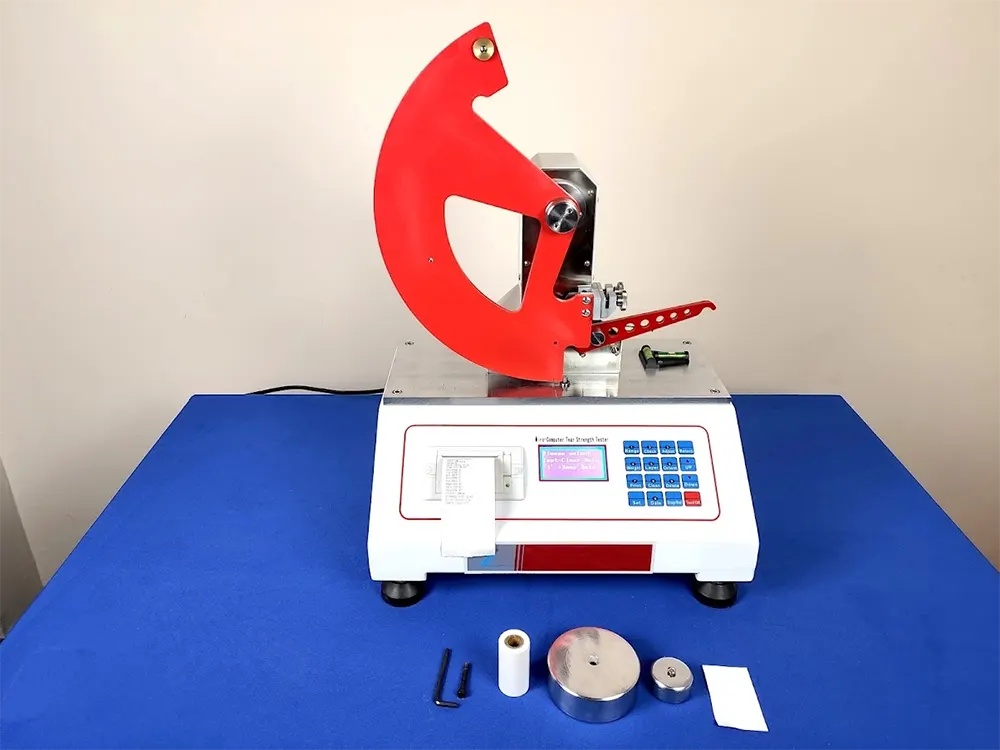
An Elmendorf tear strength test machine measures the force required to continue a tear through a specified distance after a cut has already started the tear. The DR-B238 releases a calibrated pendulum, and the energy lost while propagating the tear is converted into a tearing-force result for compatible paper, light board or plastic-film methods.
Quick answer: this machine measures rapid pendulum propagation tear. It does not measure tensile strength, elongation, tear initiation or slow-speed trouser, tongue or right-angle tear force.
Is DR-B238 the Right Tear Tester?
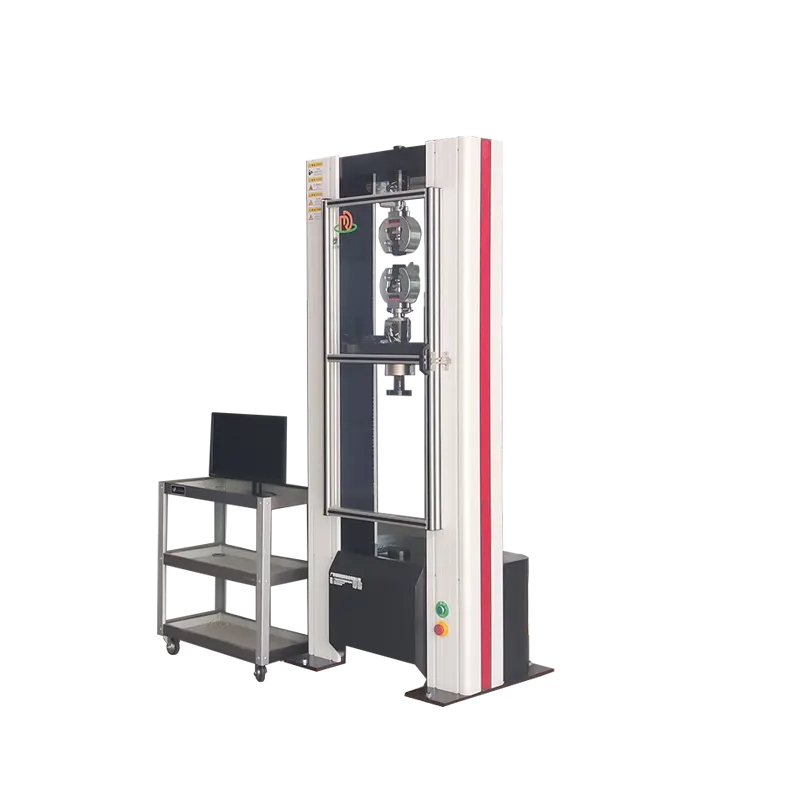
The word “tear” covers several different tests. Select the apparatus from the required motion, specimen shape and reported result—not from the material name alone.
Potentially suitable
- Paper tested for out-of-plane internal tearing resistance by an Elmendorf method.
- Low-grammage board within the applicable method and instrument range.
- Plastic film or thin, nonrigid sheeting tested for pendulum propagation tear.
- Machine-direction and cross-direction comparisons using the method's specimen orientation rules.
- Results expected within a verified pendulum range and valid reading region.
Use another test system when
- The method requires trouser, tongue, Graves, right-angle or another constant-rate tensile tear test.
- You need tear-initiation force, tensile strength, elongation or force-versus-extension data.
- The specimen is corrugated fibreboard, thick rigid sheet, rubber or a fabric without a verified Elmendorf method and fixture.
- The tear curves away, the specimen stretches excessively or the result cannot remain within the method's valid range.
- The required range, specimen template, pendulum, knife or reporting calculation is not confirmed for DR-B238.
Six Steps in an Elmendorf Tear Test
The pendulum release is fast, but producing comparable data begins before the specimen enters the clamps. Follow the current standard for every dimension, layer count and calculation.
Identify and condition
Record material, grade, batch, thickness or grammage, conditioning and any relevant surface treatment.
Mark test direction
Prepare machine-direction and cross-direction sets correctly. Report the direction in which the tear propagates using the method's convention.
Cut the specimen
Use the prescribed template and sharp cutter. Keep edges clean and avoid wrinkles, nicks or heat damage outside the intended slit.
Select pendulum range
Choose a range that places the expected result inside the standard's valid reading region. Do not use the highest capacity for every material.
Clamp, slit and release
Align the specimen, apply the specified initial cut and release the pendulum without touching or disturbing its path.
Validate and report
Reject invalid or oblique tears as required. Apply layer or pendulum factors correctly and retain individual results and variation.
Match Material, Method and Reported Result
Elmendorf methods share a pendulum principle, but their specimen geometry, number of plies, validity rules and calculations can differ. Confirm the exact edition and any customer specification before ordering.
Paper and qualifying light board
The current ISO 1974:2012 method determines out-of-plane tearing resistance of paper. ISO states that it can cover low-grammage board within the instrument range, but not corrugated fibreboard.
Internal tearing resistance of paper
TAPPI describes an Elmendorf-type method that tears multiple plies through a specified distance after the tear has started. It is not an edge-tear or single-ply tear method.
Plastic film and thin sheeting
This pendulum method determines the average force to propagate a started tear through a specified length of plastic film or nonrigid sheeting. ASTM warns that highly extensible or oriented films may give variable or misleading results.
Plastic film—Elmendorf method
ISO 6383-2 covers tear resistance of plastic film and sheeting by the Elmendorf method. Do not confuse it with ISO 6383-1 trouser tear, which uses different apparatus and motion.
Result boundary: Elmendorf data rank comparable specimens tested by the same valid method and conditions. They do not directly predict puncture resistance, tensile strength, seal strength or finished-package performance.
Eight Inputs for a DR-B238 Configuration Review
Send enough information to match the pendulum range, specimen tools, calculation and verification package to the actual method.
Elmendorf Tear Tester FAQ
Concise answers for equipment selection and method interpretation.
What does an Elmendorf tear tester measure?
It measures the average force associated with propagating a tear through a specified distance after an initial slit has started the tear. It does not measure the force needed to initiate an uncut specimen.
Can DR-B238 test both paper and plastic film?
Its published range may cover results from both material groups, but suitability depends on the named method, specimen geometry, pendulum configuration, valid reading range, cutter and calculation. Ask for written compatibility with your exact standard.
Is Elmendorf tear strength the same as tensile tear strength?
No. Elmendorf uses a falling pendulum and rapid propagation through a pre-slit specimen. Trouser, tongue, Graves and right-angle tests use different specimen geometries and usually a constant-rate tensile machine.
Why must machine and cross directions be tested separately?
Paper and oriented films can have different tear behavior by direction because of fibre alignment, polymer orientation and processing. Prepare, label and report directions according to the selected method.
Can I compare results from specimens of different thickness?
Use caution. ASTM notes there is no direct linear relationship between plastic-film tearing force and thickness. Compare like materials under the same method and report thickness or grammage as required.
What information is needed for a quotation?
Provide the material, method and edition, expected mN range, thickness or grammage, test directions, specimens per shift, report format, verification documents and destination-country electrical supply.
Request a DR-B238 configuration review
Send your material, method, expected tear range, thickness or grammage, test direction, workload and reporting requirements for a technical equipment review.