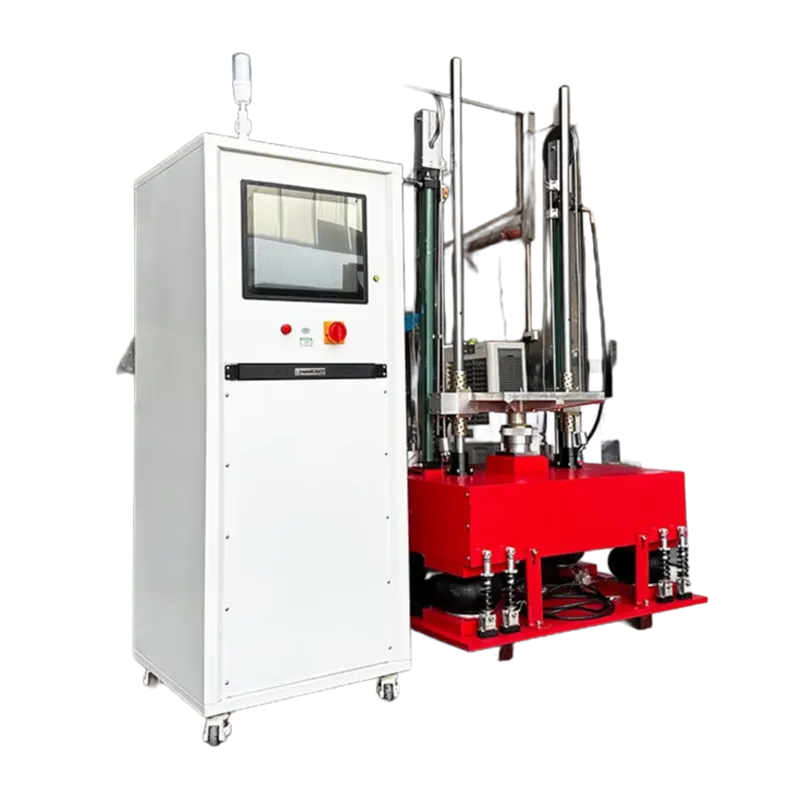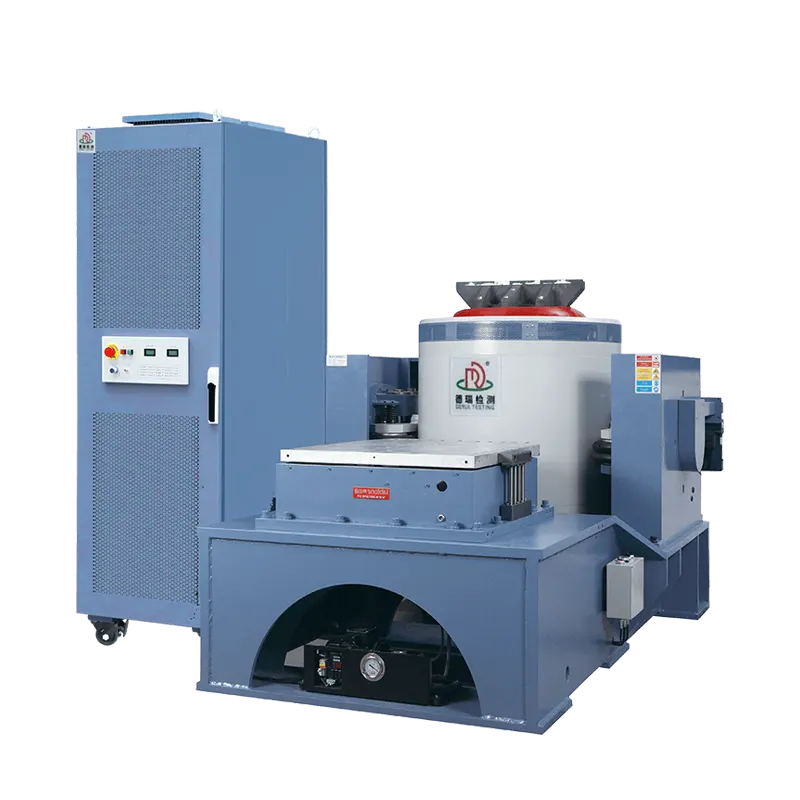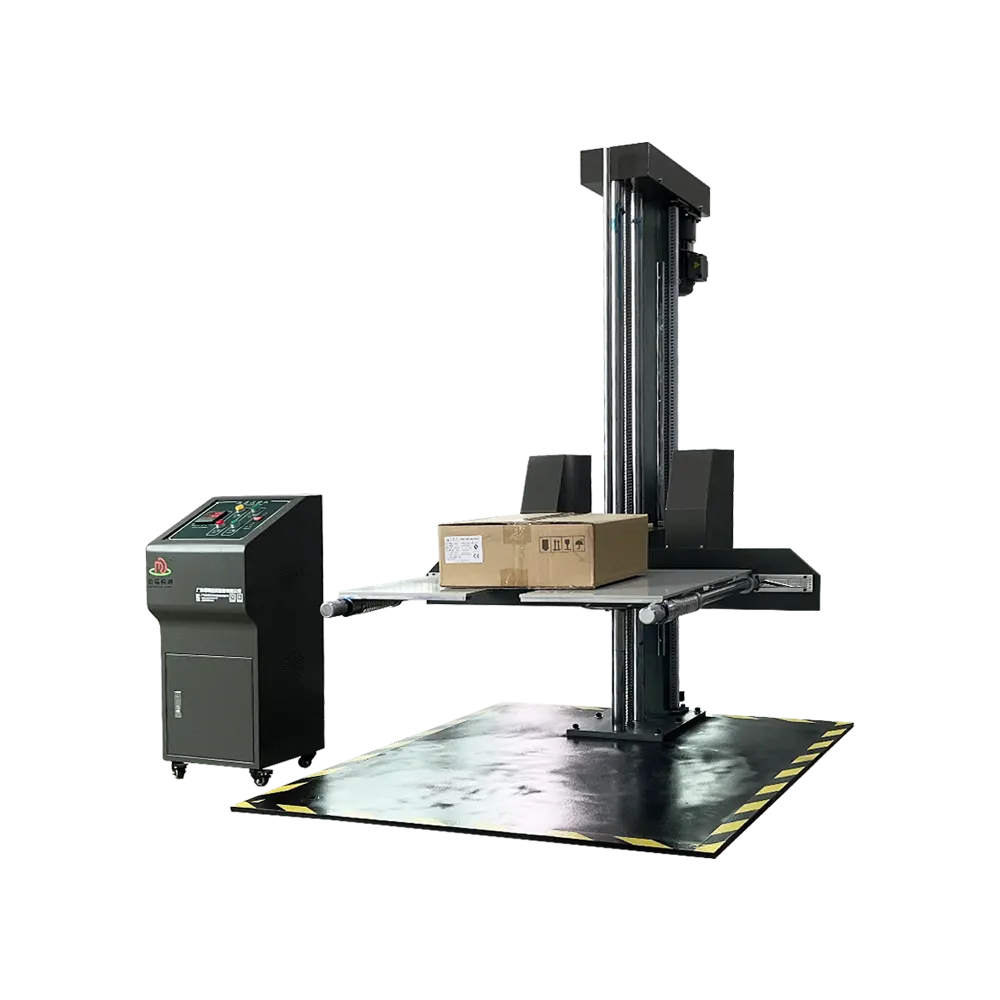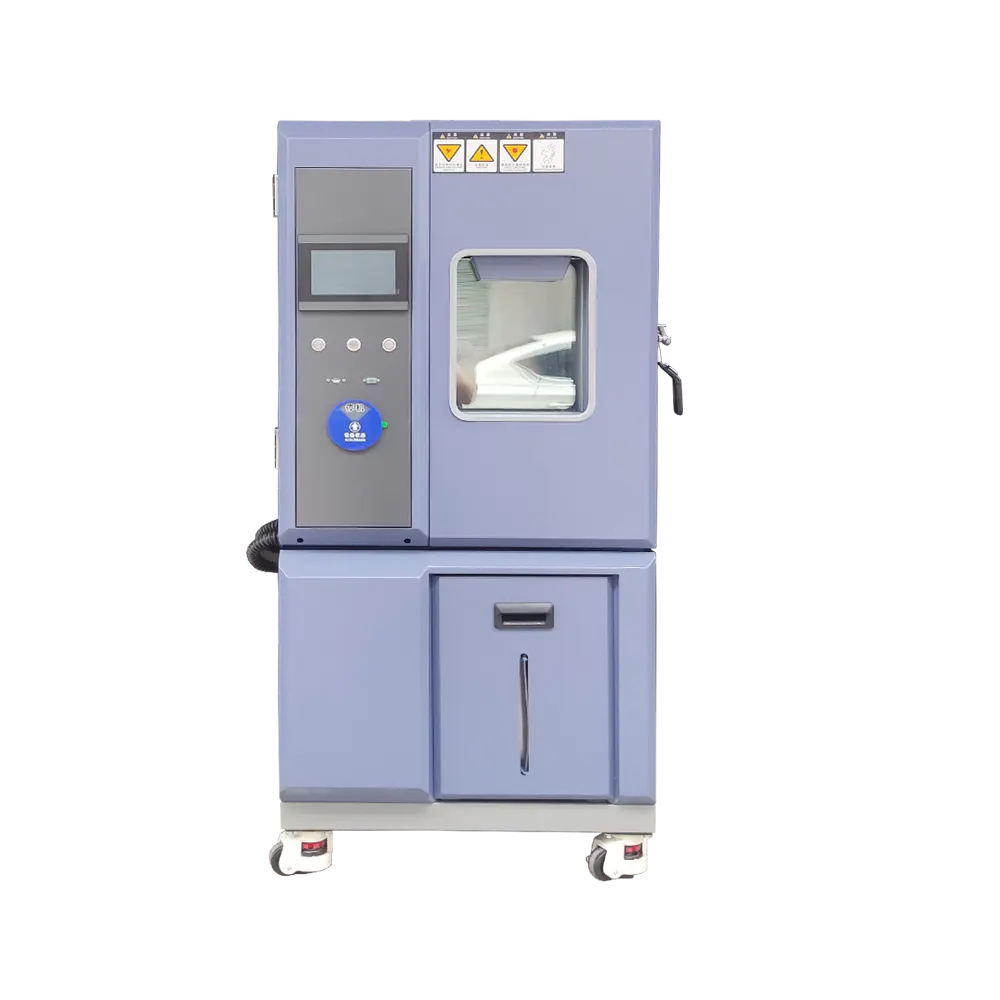



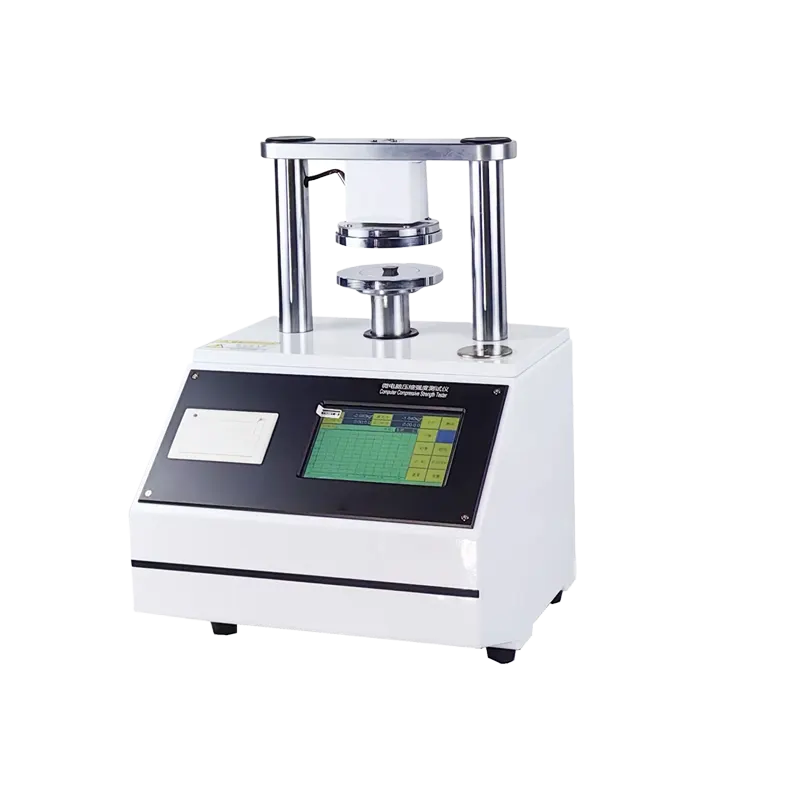
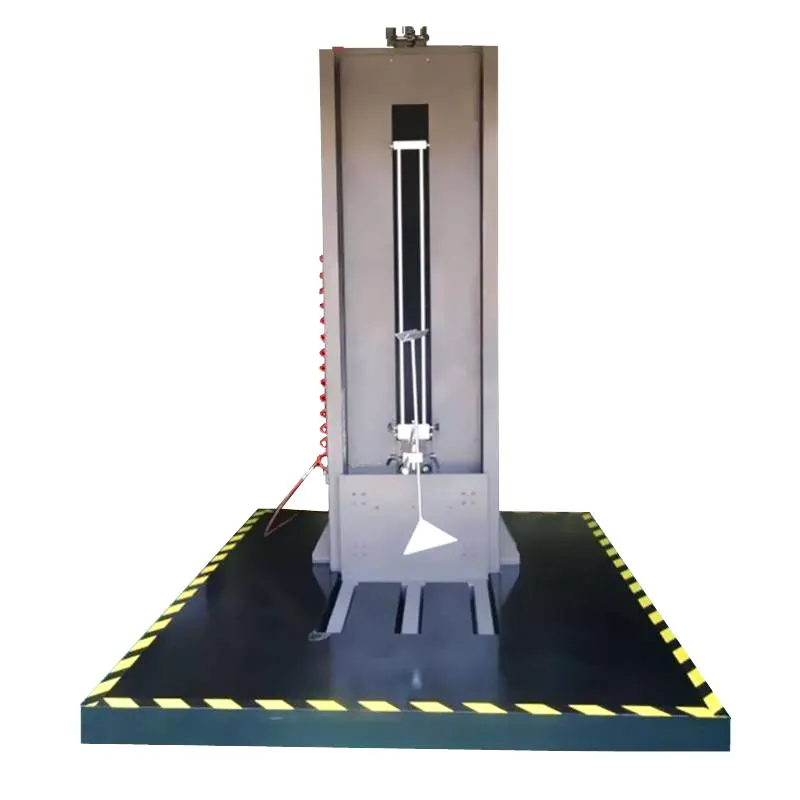
What Is a Zero Drop Test Machine?
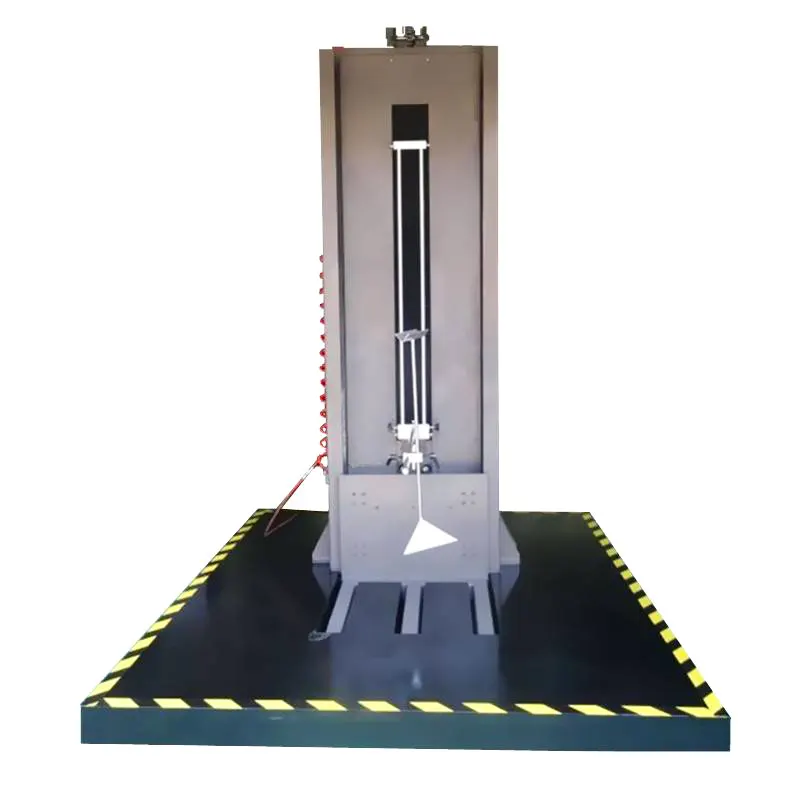
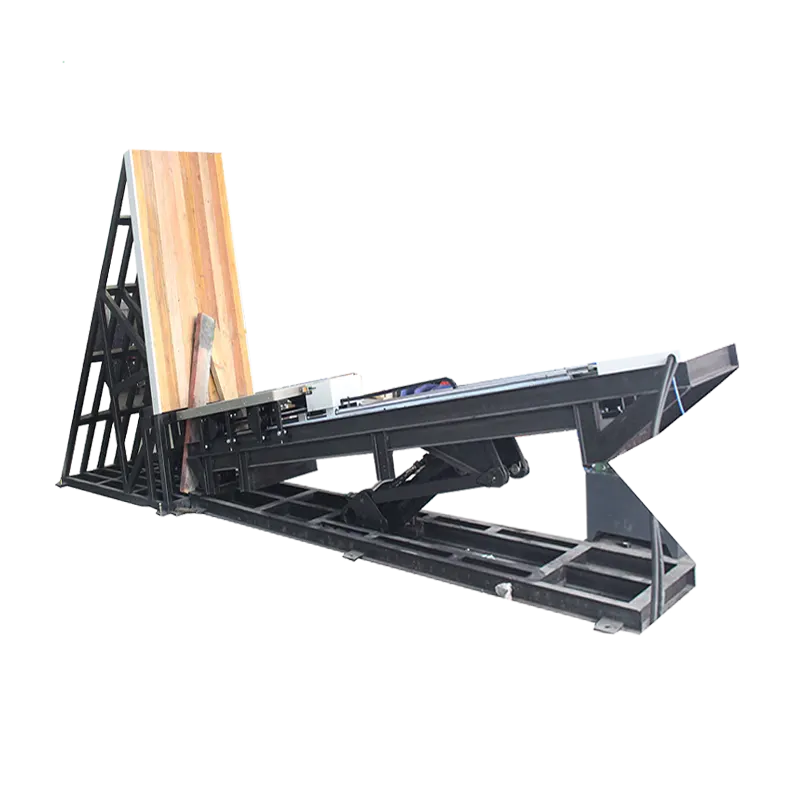
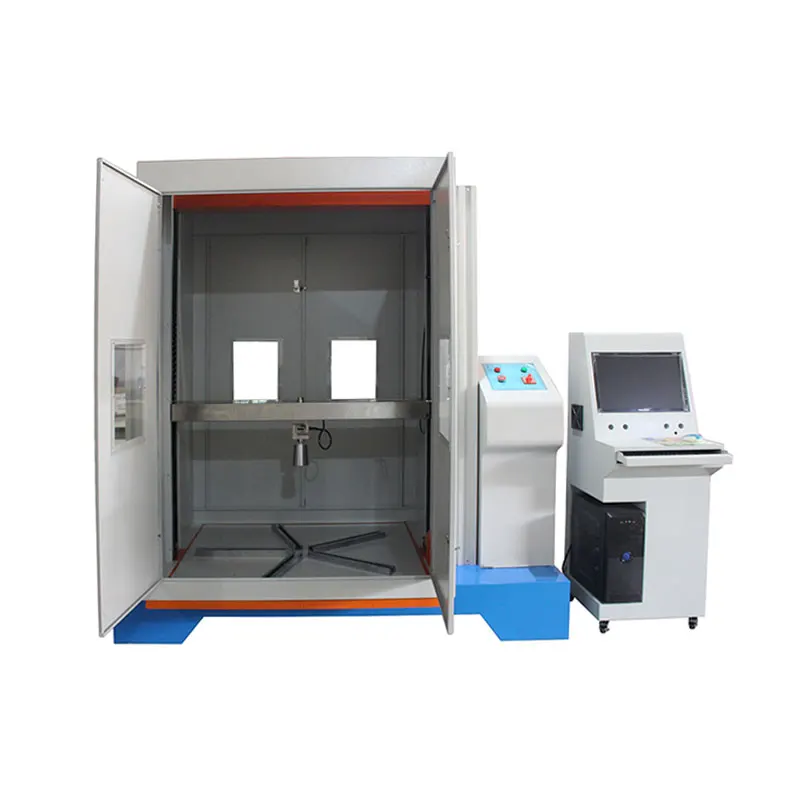
A zero drop test machine is a package drop system designed to begin at very low release heights that conventional wing-type testers may not reach. It is used when a large or relatively heavy complete package must be evaluated at a controlled face, edge or corner impact attitude without first raising it to a high drop position.
Quick answer: “zero drop” describes the machine’s low-height starting capability; a package released with no separation above the impact surface has no meaningful free-fall impact. The actual test height must come from the applicable procedure or documented handling risk.
Is a Zero-Height Tester the Right Starting Point?
Do not select a drop tester from the word “package” alone. Start with the lowest and highest required height, complete package mass and dimensions, center of gravity, required impact attitudes and safe loading method.
Choose DR-B219 when
- The required sequence includes low release heights below the practical range of a conventional wing machine.
- The complete filled package is large or awkward to raise and position.
- Face, edge or corner setup must be reviewed against the support and release arrangement.
- The package fits the published 68 kg and 40-inch-cube limits.
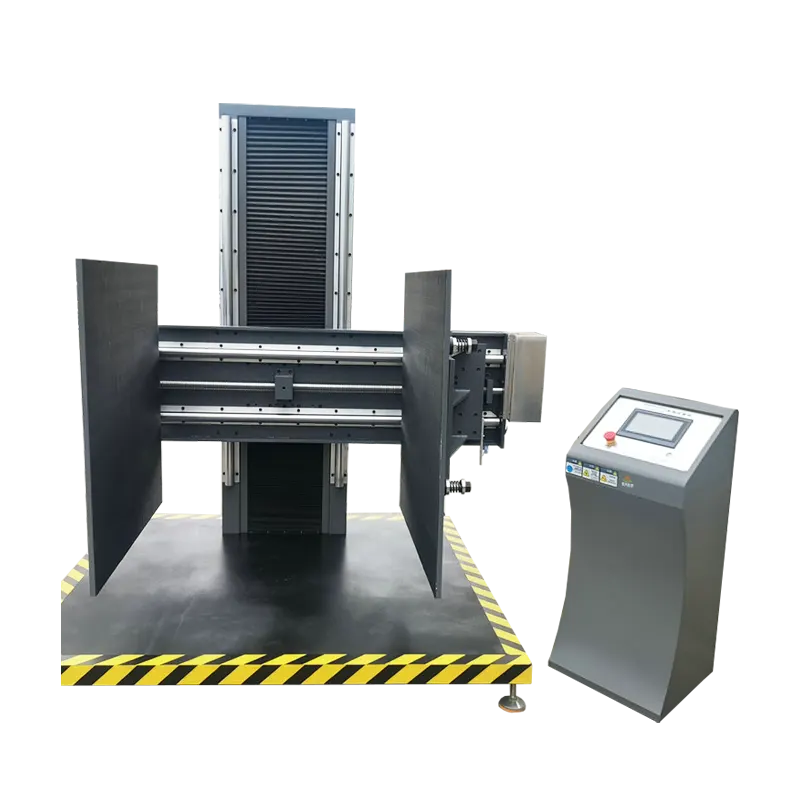
Review DR-B217 when
- A conventional single-wing release is preferred.
- The published 300 mm minimum height is sufficient.
- The test requires up to 1500 or 1800 mm.
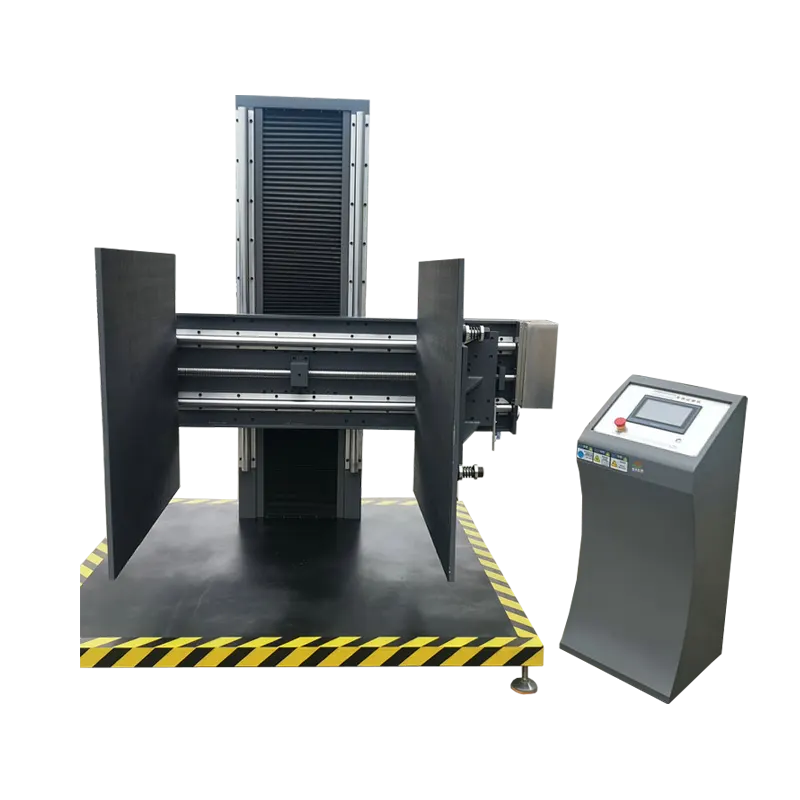
Review DR-B218-2 when
- A dual-support wing platform is required.
- The package fits an 800 mm cube.
- The required range is 400–1500 mm.
Four Conditions for a Defensible Low-Height Drop
A valid test is more than raising and releasing a carton. The laboratory must preserve the intended height and attitude, minimize release interference and judge the complete package against predetermined acceptance criteria.
Define height correctly
Measure the specified distance between the lowest point of the package and the impact surface before release. Record the actual test height used.
Establish the impact attitude
Identify the target face, edge or corner and check that the support method can hold the complete package without unsafe instability.
Release without added motion
The support must clear the package quickly enough to avoid unwanted rotation, lateral impulse or contact during the fall.
Inspect against a written rule
Record package damage and product condition using the method, customer requirement or internal acceptance plan—not an improvised pass/fail judgment.
Standards boundary: ASTM D5276 covers free-fall testing of loaded containers, while ISTA procedures can prescribe complete sequences and conditions. The model name alone does not establish compliance. Confirm the current revision, package type, required height, release behavior, impact surface, conditioning and report fields against the ordered configuration.
What Should Be Inspected After Each Drop?
The machine creates the event; the laboratory defines and records the result. Use consistent photos and observations so competing packaging designs can be compared rather than merely labelled “good” or “bad.”
Outer package
Crushed corners, split seams, punctures, closure opening, permanent deformation, handle damage and loss of containment.
Cushioning system
Bottoming, insert fracture, pad migration, reduced clearance and contact between the product and package wall.
Product condition
Visible damage plus the required dimensional, electrical, functional, leakage or alignment checks for the packed product.
Test traceability
Package ID, mass, conditioning, target feature, height, sequence, observations, photographs and final disposition.
Large corrugated shipping cartons, appliances, furniture, electronics and other complete transport packages where low handling drops are relevant.
Decide whether to change the carton, closure, cushioning, internal support, product restraint or handling specification.
Six Inputs DERUI Needs to Review DR-B219
Provide one complete set of test information. It allows the platform, package clearance, release mechanism, guarding, utilities and documentation to be reviewed together.
Complete package
Filled mass, L × W × H, center of gravity, handles, projections and loading method.
Required height range
Lowest and highest height plus every step in the planned sequence—not only the nominal maximum.
Impact attitudes
List each face, edge and corner and explain how the package must be oriented safely.
Method and revision
Send the current ASTM, ISO, ISTA, retailer, customer or internal procedure.
Acceptance evidence
Define allowed package damage, product checks, photographs and report requirements.
Site and deliverables
Floor and ceiling space, power, air if required, guarding, destination, training and verification documents.
Fastest route to a useful proposal: send a package drawing or photo, filled mass and center of gravity, method, height/attitude sequence and acceptance criteria.
Zero Drop Test Machine FAQs
01Does a zero drop tester create impact at exactly zero height?
02What is the published DR-B219 capacity?
03Why use this system instead of a wing-type drop tester?
04Can it test face, edge and corner drops?
05Is DR-B219 automatically compliant with ASTM D5276 or ISTA 3A?
06What should be included in an inquiry?
Confirm the Lowest Required Drop Before Selecting the Machine
Send the actual package, height and attitude sequence, method and acceptance criteria for a configuration review.