



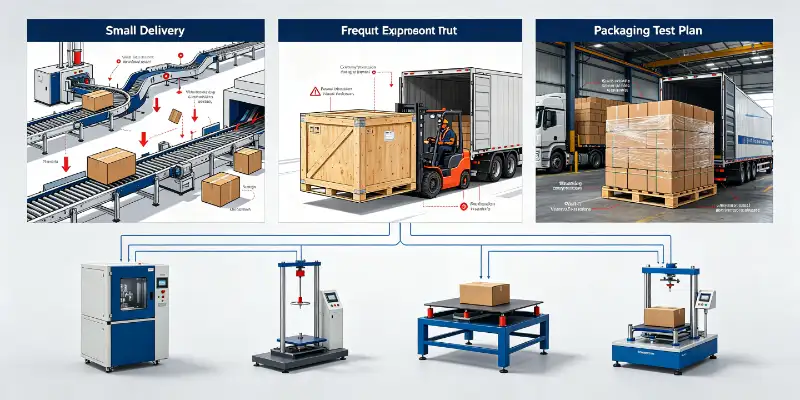
How to Build a Paper, Board and Corrugated Packaging Test Plan
Date: September 7, 2026 Categories: Applications、Paper, Board & Corrugated Testing Solutions Views: 6235
How to Build a Paper, Board and Corrugated Packaging Test Plan
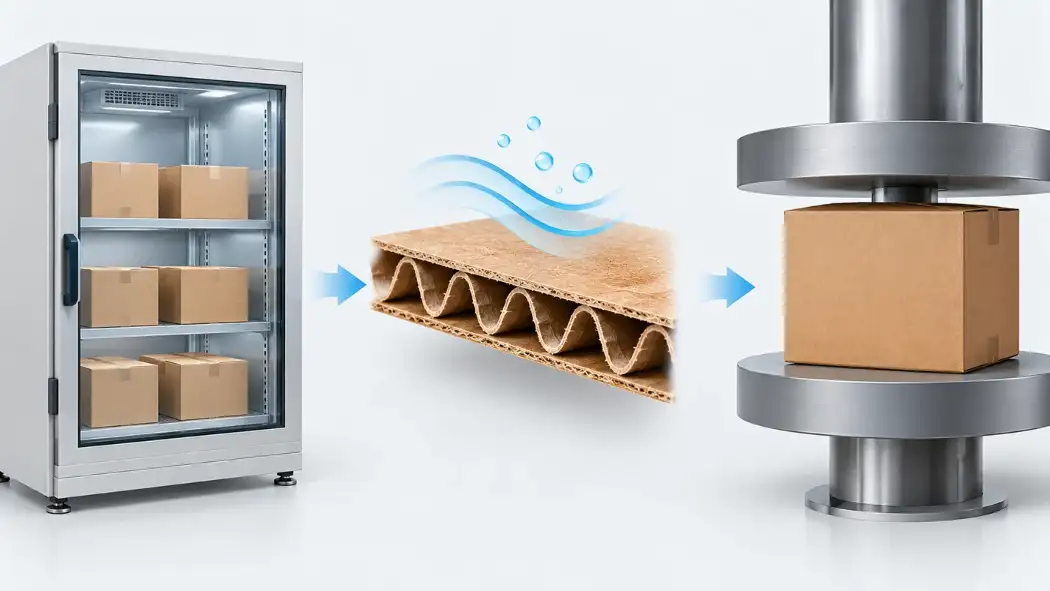
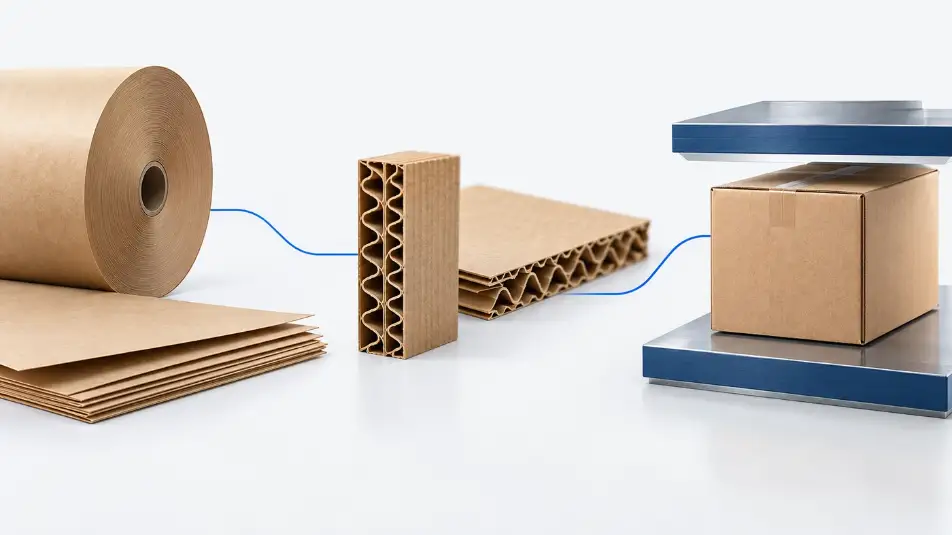
A reliable test plan separates the material, the combined board, the converted box and the loaded package. Each level answers a different quality question. Use this framework to select the required test methods, specimen preparation, conditioning and equipment without assuming that one strength value predicts the entire package.
Why one “strong board” value is not a complete packaging specification
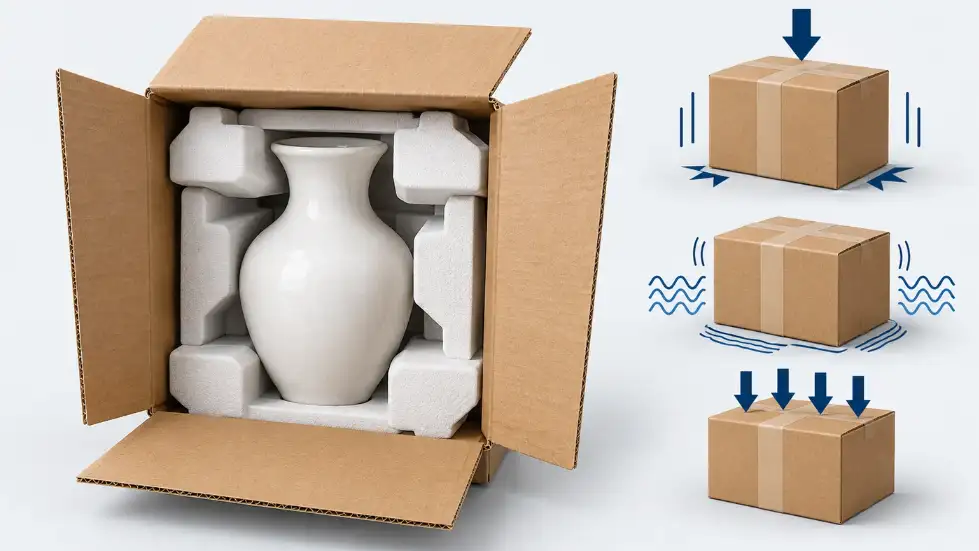
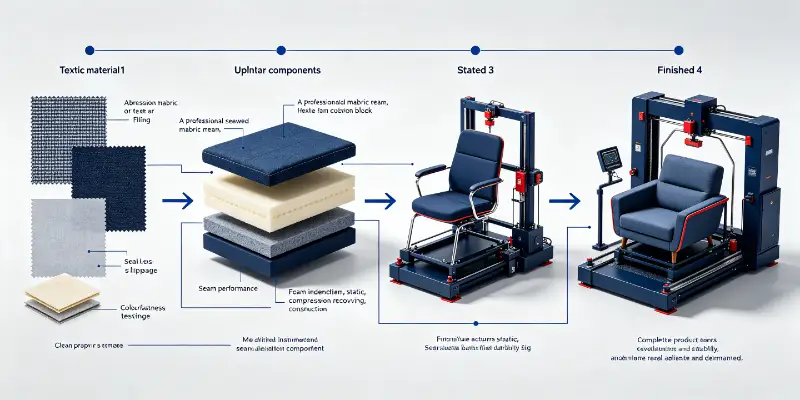
Paper and corrugated packaging performance develops through several stages. Component papers influence converting; flute formation and bonding influence combined-board properties; scoring, slotting, printing and gluing influence the finished box; loading pattern, product support, humidity, storage time and distribution hazards influence the packaged system.
An ECT, burst or basis-weight result can be useful for supplier control, but it does not independently prove that a finished loaded package will withstand stacking and distribution. Conversely, a box compression result may identify structural performance without revealing which paper, moisture or converting variable caused a change. A useful plan assigns each test to a specific decision.
Paper and component control
Basis weight, thickness, moisture, tensile, tear, burst, short-span or ring compression, absorption and surface properties may support incoming material and process decisions.
Conversion and structural quality
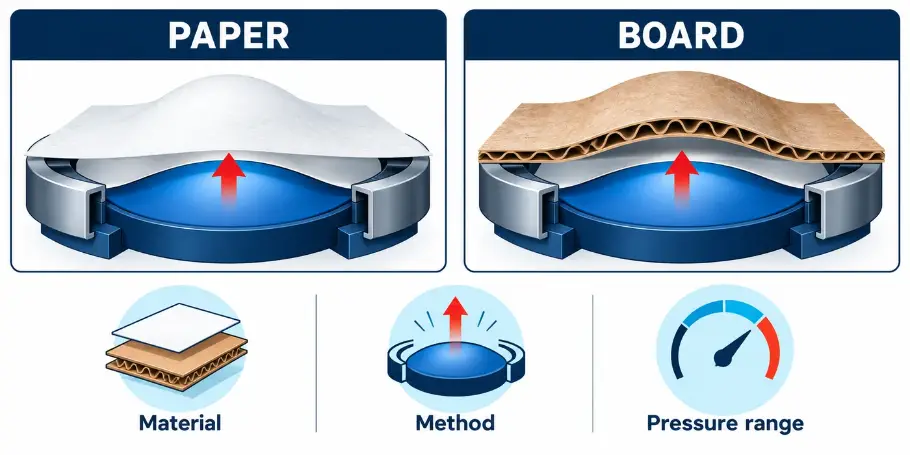
ECT, FCT, board burst, puncture, ply bond and dimensional checks evaluate combined board; BCT, creep and construction checks evaluate the converted box.
Distribution performance
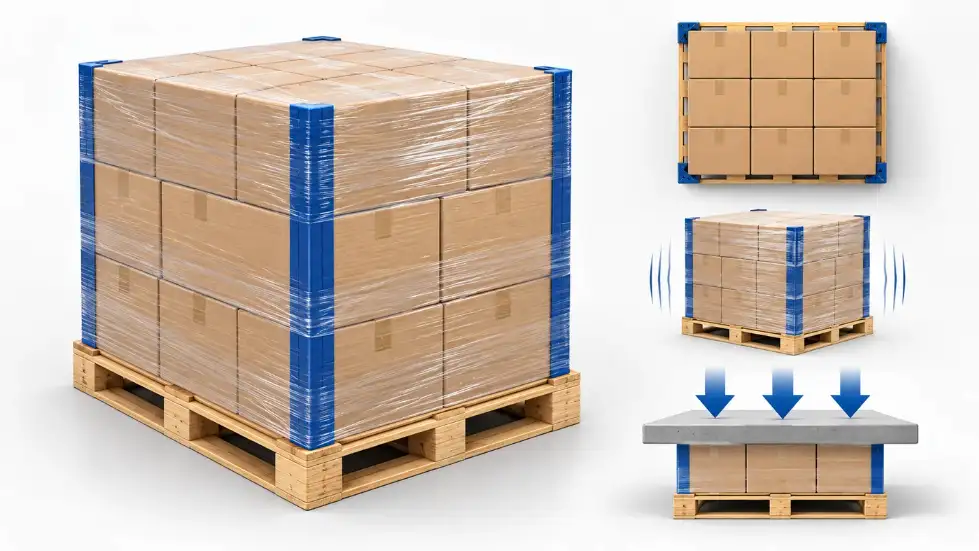
The production-intent box, product and internal protection are evaluated together against the hazards represented by the selected distribution procedure.
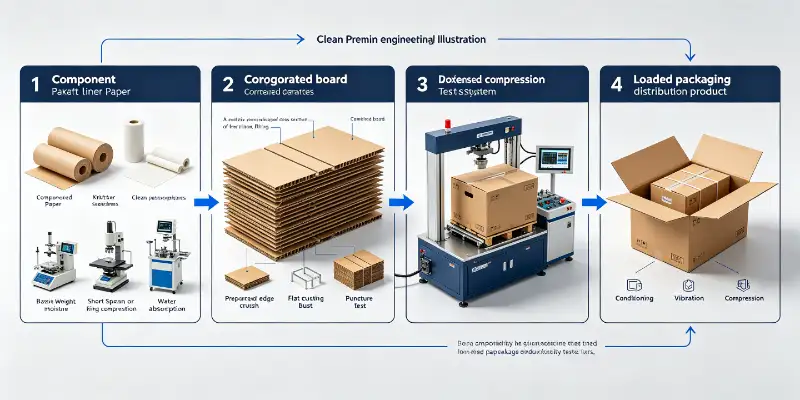
Seven steps for a useful paper and corrugated test plan
01Define the business and quality decision
State whether the test controls a paper supplier, monitors the corrugator or converting line, releases finished boxes, compares structural designs or evaluates a loaded package for distribution. Name the person or function that owns the acceptance decision.
02Identify the specimen level and construction
Record paper grade, grammage, coating and direction; board flute, wall construction and liner/medium combination; or box style, dimensions, joint, closure and print. For packaged-system testing, include the product, internal protection, fill, sealing and palletization.
03Select the current method—not only the result name
Confirm the applicable TAPPI, ISO, ASTM, FEFCO, customer or internal method and revision. ECT, burst, compression and absorption methods can differ in sampling, specimen preparation, support, rate, calculation and reporting. Record the exact method option used.
04Control sampling, direction and conditioning
Define lot, roll, sheet or box sampling; machine and cross direction; distance from damaged edges, scores or joints; preparation quality; temperature, humidity and conditioning time. Paper-based materials are moisture-sensitive, so uncontrolled specimen state can hide or exaggerate production differences.
05Match apparatus and usable measurement range
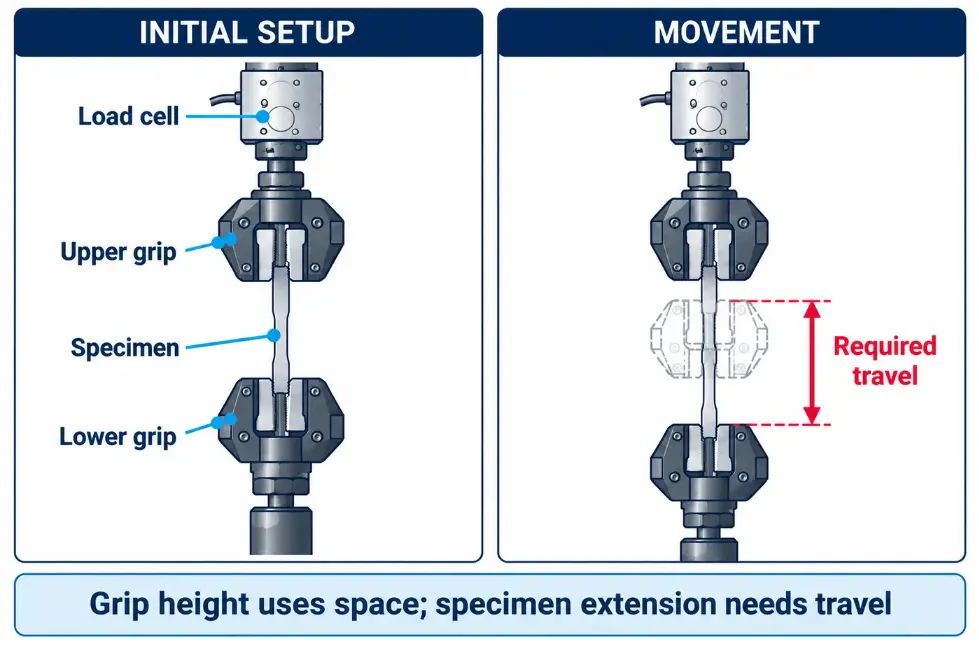
Verify specimen size, platen or clamp geometry, force range, speed, travel, parallelism, diaphragm or test head, cutting tools, thickness and mass measurement, sensors, software calculation and calibration requirements. Do not select equipment from maximum capacity alone.
06Set acceptance rules and response plans
Define units, replicate count, averaging, outlier handling, pass/fail limit, trend limits and required records. Link an out-of-control result to a practical response: quarantine, supplier review, moisture investigation, process adjustment, box audit or packaged-product retest.
07Connect laboratory results with production and field performance
Track test values alongside corrugator settings, adhesive condition, printing, scores, slots, joints, warehouse humidity, stacking and damage feedback. Review limits when material, construction, supplier, product load or distribution route changes.
What the common tests tell you—and what they do not
| Test family | Primary decision supported | Do not assume |
|---|---|---|
| Basis weight, thickness and moisture | Material identity, uniformity and process control | That equal grammage or caliper creates equal structural performance |
| SCT or RCT | Compression-related behaviour of paper or paperboard specimens | That the value is interchangeable with ECT or finished-box compression |
| ECT | Edgewise compressive resistance of corrugated board under the selected method | That ECT alone predicts every BCT result or distribution outcome |
| FCT | Resistance of flutes to compression perpendicular to the board face | That it evaluates the complete stacking strength of a box |
| Burst or puncture | Resistance to rupture or localized penetration under defined apparatus | That either replaces edge compression, BCT or loaded-package testing |
| Cobb/water absorption | Water absorbed by a defined area under specified conditions | That one result represents every humidity, coating or exposure condition |
| BCT/box compression | Compression response of the converted box or package under defined conditions | That a short compression test automatically represents long-duration stacking |
| Drop, vibration and distribution sequences | Loaded-package performance against hazards represented in the procedure | That passing covers unrepresented hazards or later package changes |
Match the laboratory equipment to the complete workflow
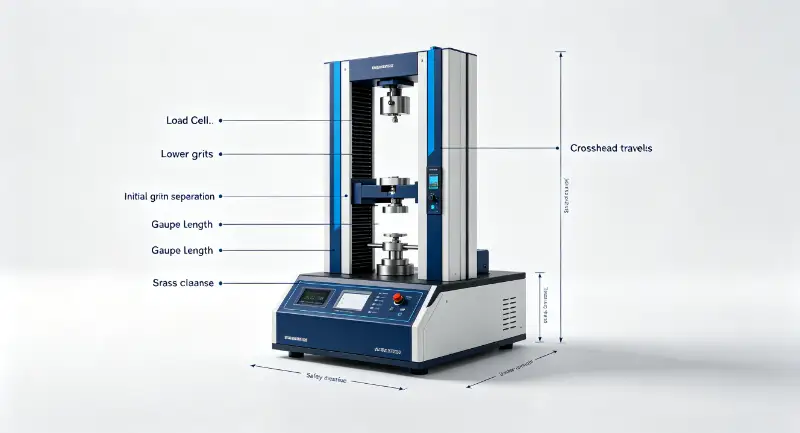
A paper and corrugated laboratory often needs more than the primary measurement instrument. Sample cutters, crush specimen preparation, thickness and mass measurement, controlled conditioning, dimensional checks, fixtures, data templates and calibration evidence affect whether results can be repeated.
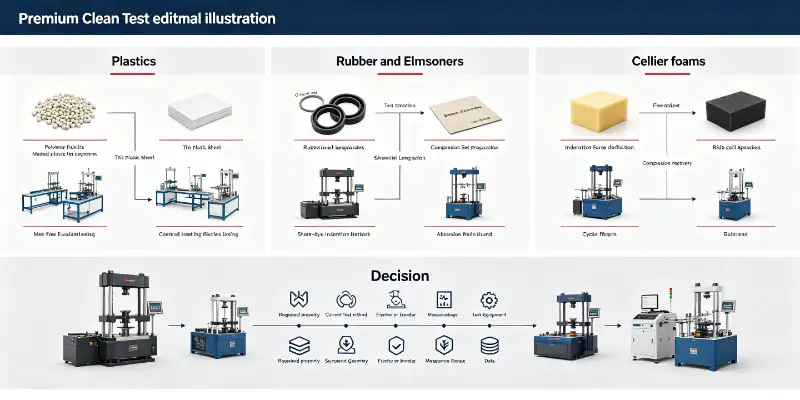
Organize equipment into three groups: routine material/board QC, finished-box structural tests and packaged-system performance tests. Confirm real product models only after the current procedure, specimen range and required result have been reviewed.
- Material and board preparation: sampling, cutting, orientation, dimensions and conditioning.
- Strength and absorption: crush family, burst, puncture, tensile/tear, Cobb or other confirmed properties.
- Converted package: box compression, constant load or creep where required, construction and dimensional inspection.
- Distribution sequence: conditioning, drop/shock, vibration, compression and handling elements specified by the selected procedure.
- Data: units, calculations, specimen identity, raw results, trends, permissions and exports.
Information to provide before requesting equipment quotations
- Paper, paperboard, corrugated board, empty box or loaded-package scope
- Current test method, revision and selected method option
- Specimen dimensions, direction, flute/wall construction and preparation
- Expected minimum and maximum measurement range
- Conditioning requirements and laboratory environment
- Samples per batch, batches per shift and fixture changeover
- Required calculations, report fields, raw data and traceability
- Destination country, power, compressed air, floor space and access
Provide the same requirement set to each supplier so capacity, fixtures, accessories, preparation tools and exclusions can be compared on the same basis.
Turn the paper-to-package test plan into an equipment scope
Send the current methods, specimen types and ranges, daily workload, conditioning, reporting needs and site conditions. DERUI can organize the requirement by preparation, material/board QC, box testing and packaged-system testing before quotation.
Paper, Board and Corrugated Testing FAQs
Is ECT the same as box compression strength?
No. ECT measures the edgewise compressive resistance of a corrugated-board specimen under a defined method. Box compression testing evaluates a converted box or package. Board properties can influence box performance, but box dimensions, construction, joints, moisture and loading conditions also matter.
Do we need both burst and ECT testing?
That depends on the specification, customer requirement and decision being supported. They measure different responses and should not be treated as interchangeable. Confirm the current governing method and acceptance criteria before selecting equipment.
Why must paper and corrugated specimens be conditioned?
Paper-based materials respond to moisture and temperature. Controlled specimen state improves comparability between batches, suppliers and laboratories. Follow the conditioning requirements of the current authorized method.
Can BCT replace a complete distribution test?
No. BCT addresses defined compression behaviour. A distribution procedure may include conditioning, shock, vibration, handling and other elements. Only the hazards represented by the selected procedure are evaluated.