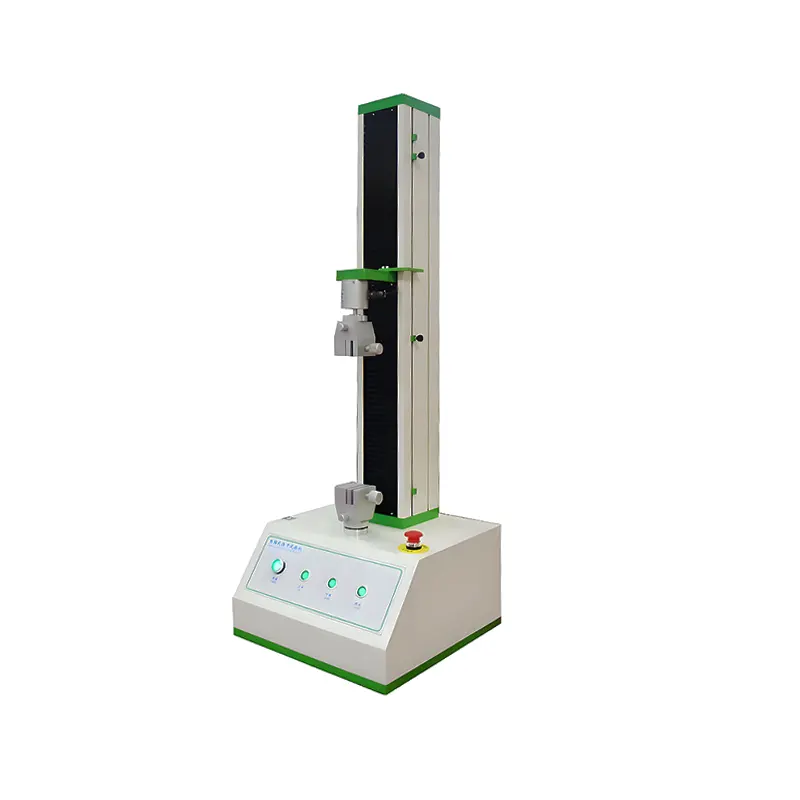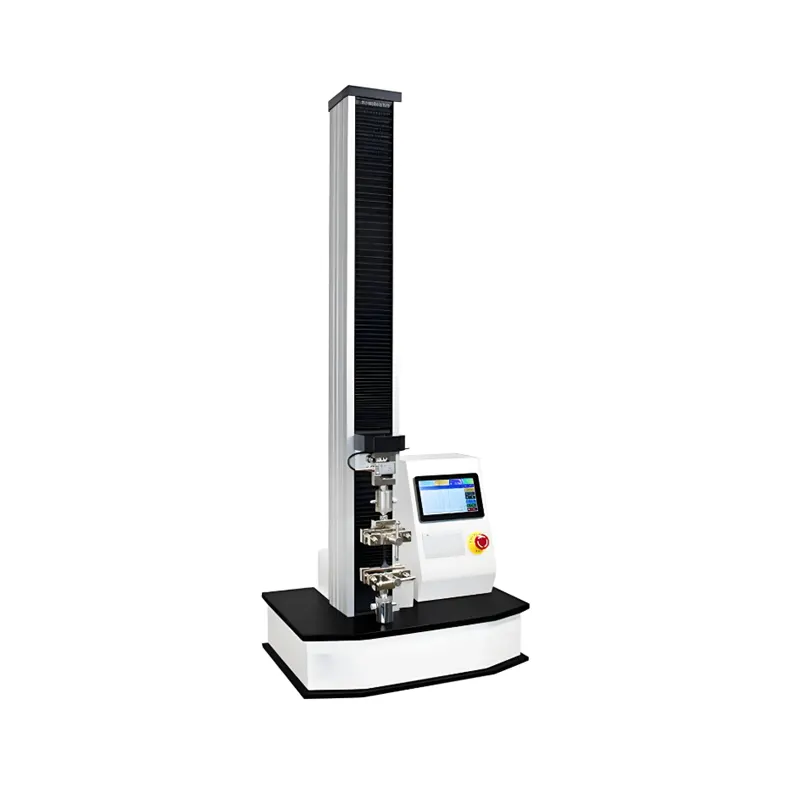
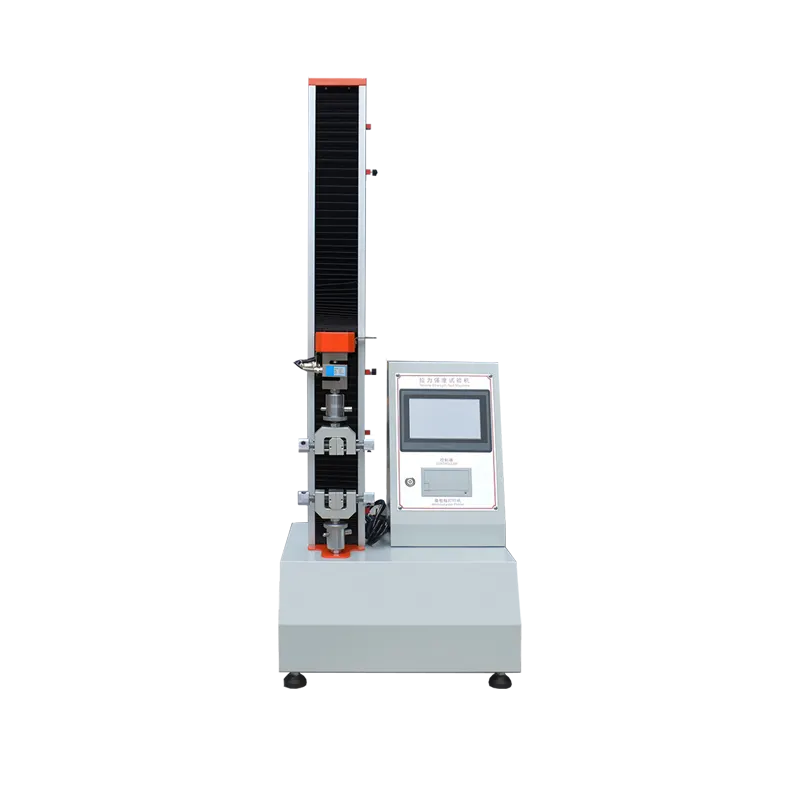


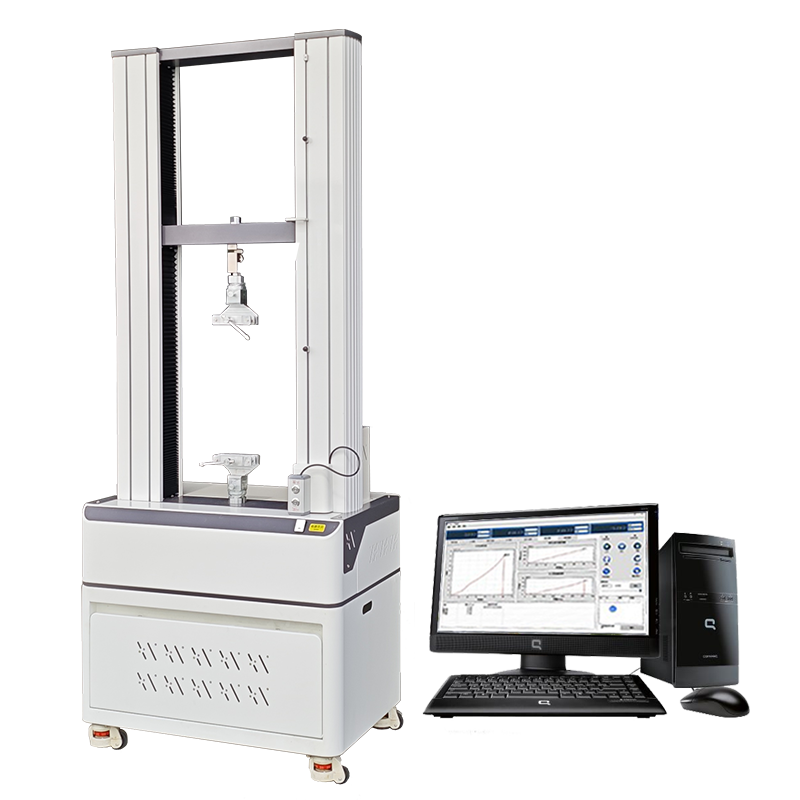
What Is a Rubber Tensile Test Machine?
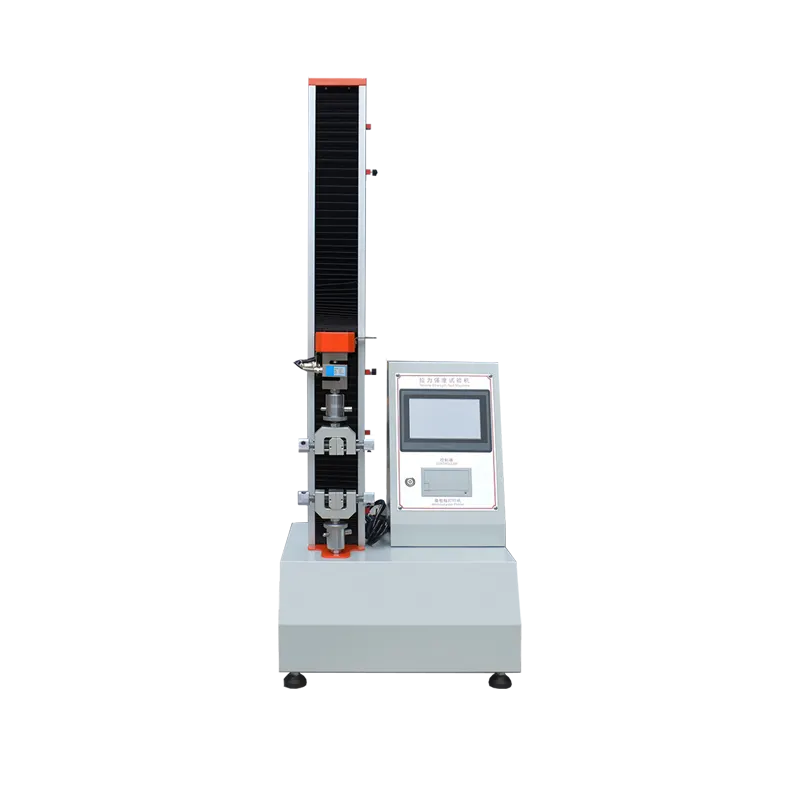
A rubber tensile test machine applies a controlled tensile load to a prepared elastomer specimen and records the force and extension needed to calculate results such as tensile strength, stress at a specified elongation and elongation at break. A valid system must match the rubber method, specimen geometry, expected force, high-extension travel, grips and strain-measurement approach.
Quick answer: choose this page when the main task is testing vulcanized or thermoplastic rubber specimens. Use the general benchtop tensile category when the laboratory is still comparing multi-material frames rather than a rubber-specific method configuration.
Rubber Application System or General Benchtop Tester?
The test frame may look similar, but the content and configuration should begin from the required result. Rubber testing adds high elongation, specimen thinning, grip-pressure control and gauge-length measurement concerns that a generic frame description does not answer.
Choose the rubber tensile pathway when
- The specimen is vulcanized rubber, thermoplastic rubber, latex, an elastomer sheet or a compatible molded product.
- Tensile strength, stress at specified elongation or elongation at break is required.
- The method defines a dumbbell, ring or other rubber specimen geometry.
- Grip slip, jaw breaks and long extension must be controlled.
Use the benchtop category when
- You are comparing compact frames for several materials or test modes.
- The rubber method, force range and strain system are not yet defined.
Use the 5 kg page when
- The complete expected load fits the published 5 kg range.
- The specimen and grips fit its usable space and travel.
Six Controls Behind a Valid Rubber Tensile Result
ASTM D412 and ISO 37 both address rubber tensile stress–strain properties, but they are not interchangeable shortcuts. Use the current procedure to define specimen geometry, conditioning, gauge length, speed and calculations.
Geometry and direction
Identify the method specimen, die or ring, thickness, cutting direction and preparation process.
Conditioning and environment
Record temperature, humidity, aging or exposure state and time between preparation and test.
Hold without damage
Select jaw faces and pressure that prevent slip without causing a premature jaw break.
Initial gauge length
Apply gauge marks and measure the required length under the method’s defined starting condition.
Measure extension correctly
Choose crosshead, long-travel contact or non-contact measurement according to the required result.
Calculate and classify failure
Report force, stress, specified-elongation stress, break elongation and failure location as required.
Configuration rule: a published force range or 600 mm stroke alone does not prove ASTM D412 or ISO 37 compatibility. Confirm usable travel after grips, expected elongation, force accuracy in the working range, strain measurement and software calculation.
Common Rubber Tensile Test Problems
Review the curve and failure location with the result. A high or low value may reflect the material—or a specimen, grip, travel or strain-measurement problem.
Eight Inputs for a Rubber Tensile System
The current page lists a wide product-family range. These inputs determine the actual frame, load cell, grips, travel, extensometer, software and verification scope.
Rubber and condition
Compound or product, vulcanized or thermoplastic state, hardness, aging and test environment.
Method and revision
ASTM D412, ISO 37, GB/T 528, customer method or other exact current procedure.
Specimen geometry
Die or ring type, thickness, width, gauge length, cutting direction and expected break behaviour.
Expected force range
Typical and maximum force—not only frame capacity—so the working load range can be reviewed.
Expected elongation
Maximum extension and break elongation to confirm usable travel after both grips are installed.
Gripping system
Manual, pneumatic, roller or self-tightening preference, jaw faces, pressure and slip risk.
Strain measurement
Crosshead-based, long-travel contact or non-contact measurement and required gauge tracking.
Results and workflow
Required calculations, reports, batch statistics, throughput, calibration documents, power and destination.
Best inquiry package: specimen photo/drawing + method + thickness and gauge length + expected force and elongation + required results.
Rubber Tensile Test Machine FAQs
01What does a rubber tensile test machine measure?
02Is crosshead displacement the same as specimen elongation?
03Why are rubber grips different from ordinary tensile grips?
04Can the published machine range perform ASTM D412 or ISO 37?
05How much test force should be selected?
06Which rubber products can be evaluated?
Configure the Machine Around the Rubber Specimen
Send the method, specimen geometry, expected force and elongation, grip requirement and reported results.