
Box Compression Tester Guide: Specifications, Standards & How to Choose
Date: June 20, 2026 Categories: Technical Guides & Blog Views: 10063
2026 Edition · ~13 min read · 2,300+ words
Box Compression Tester Guide: Specifications, Standards & How to Choose
A technical buyer's guide covering ASTM D642 and ISO 12048 compliance, force capacity selection, platen sizing, failure mode analysis & supplier evaluation — built for packaging QC managers and procurement teams.
01 · What Is a Box Compression Tester?
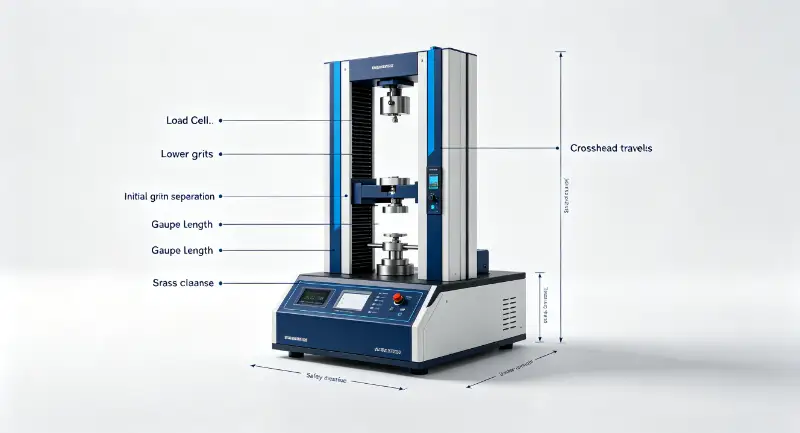
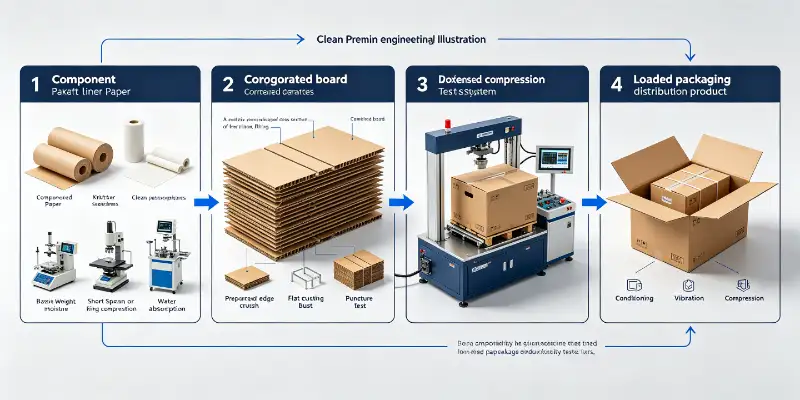
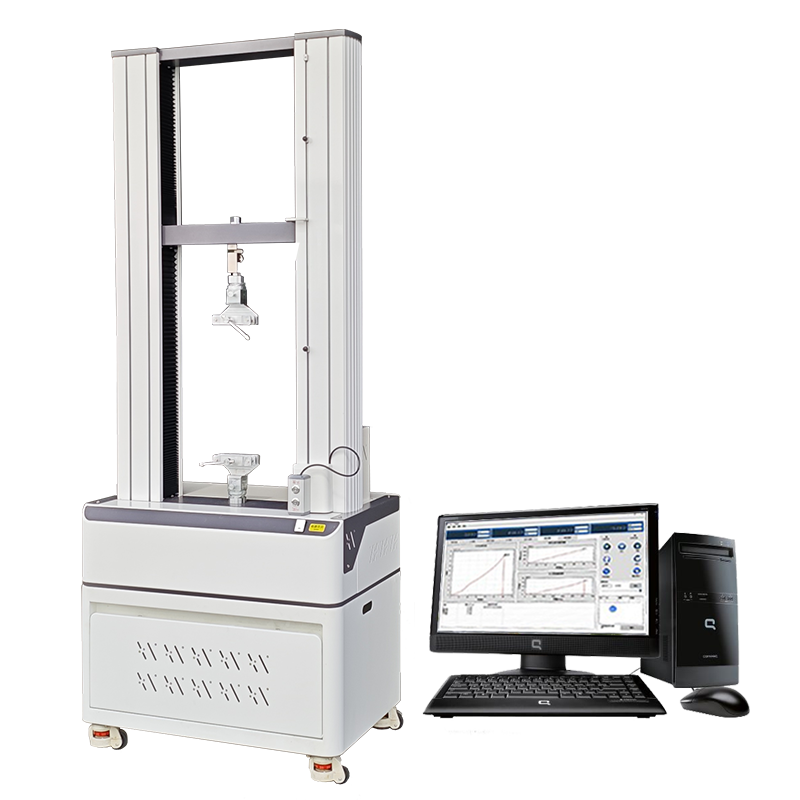
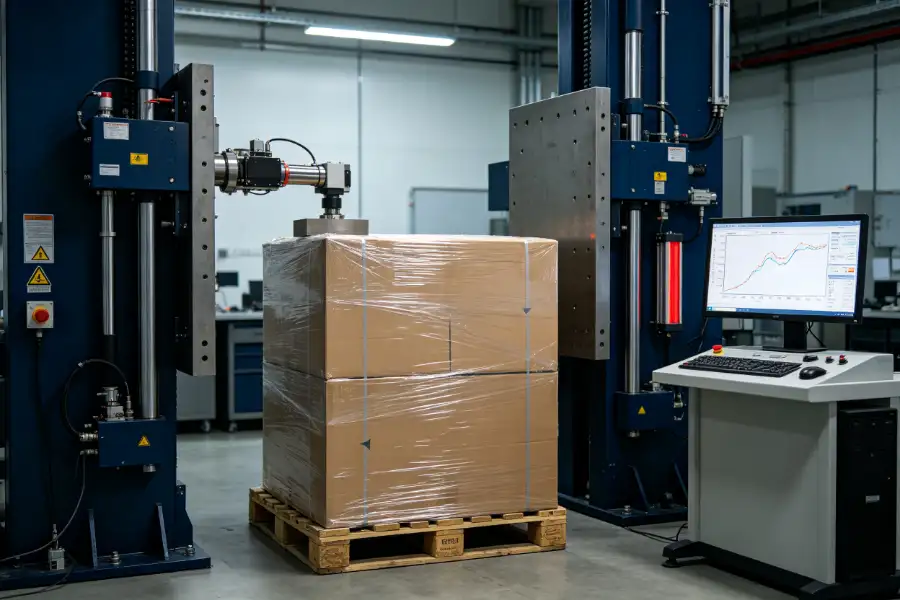
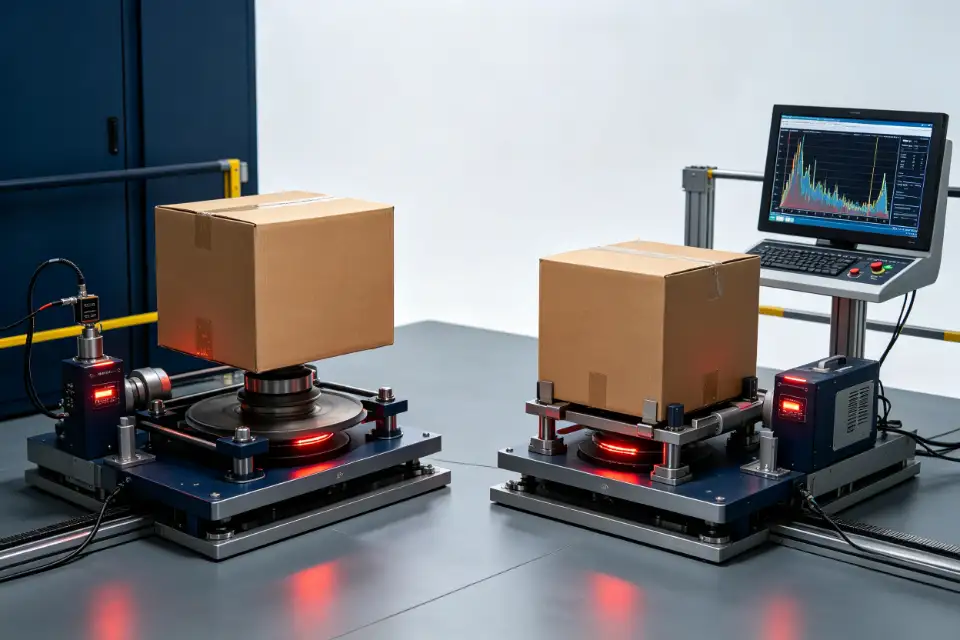
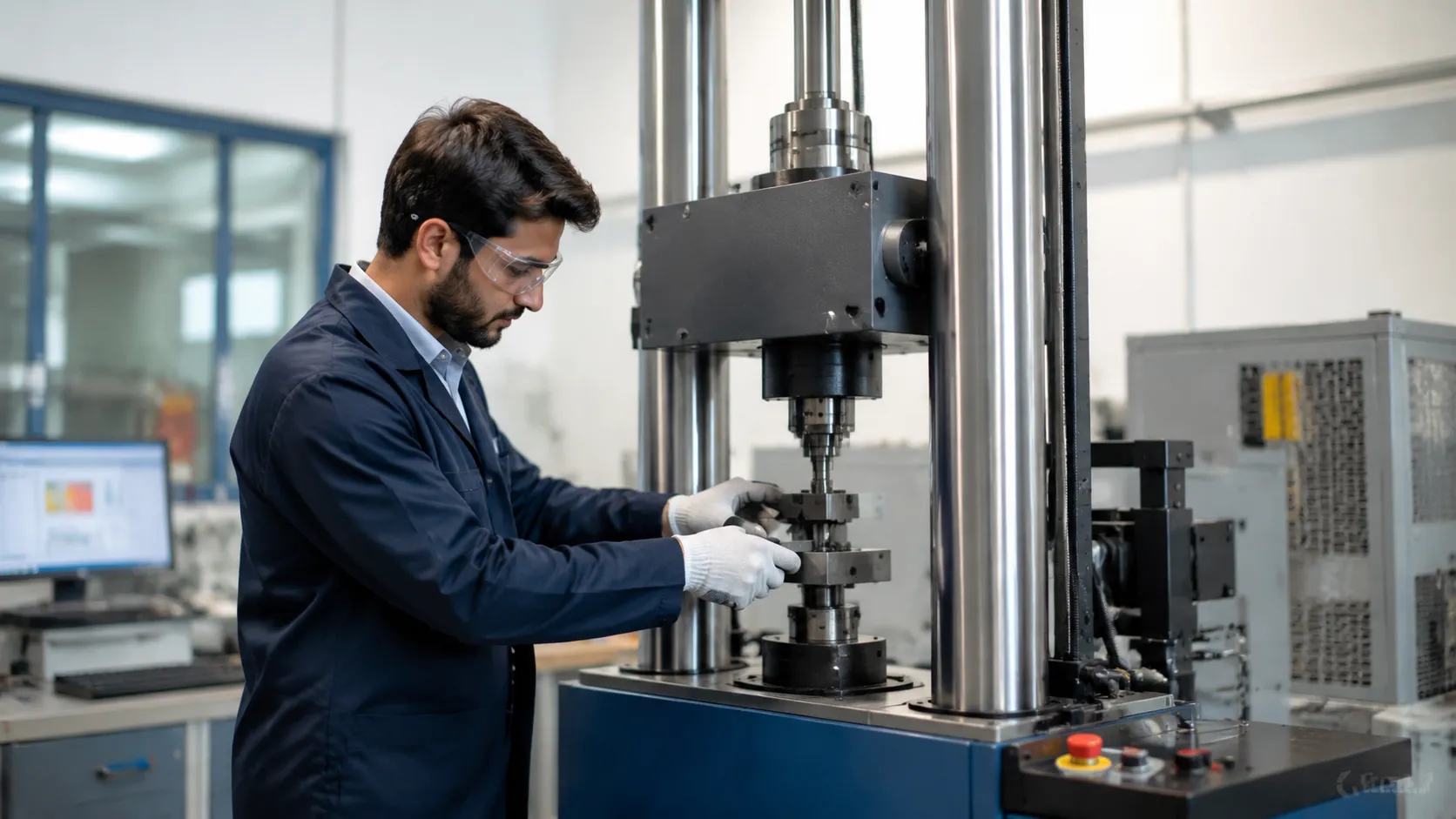
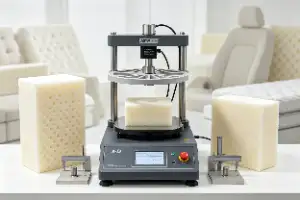
A box compression tester (BCT) — also called a container compression tester or carton compression testing machine — is a specialized instrument for measuring the compressive strength of corrugated boxes, cartons, and shipping containers. It applies a controlled vertical load until the box collapses, quantifying its stacking strength.
Unlike a benchtop tensile tester that pulls materials apart, a box compression tester pushes downward — simulating the force a bottom carton endures in a warehouse stack or a shipping container.
The result — peak compression strength in N or kN — feeds directly into stacking calculations, safety factor determination, and board grade optimization. For anyone shipping physical products, this number determines whether boxes survive the journey or arrive crushed.
BCT measures the finished box's stacking strength. ECT (Edge Crush Test) measures board material only. BCT is the definitive test for real-world performance. Read our detailed comparison →
02 · Industries That Depend on Box Compression Testing
| Industry | What They Test | Why It Matters |
|---|---|---|
| Corrugated Box Manufacturers | Export cartons, industrial containers | Stacking strength = customer acceptance |
| E-Commerce & Logistics | Shipping boxes, mailers | Reduce returns from transit damage |
| FMCG & Food & Beverage | Beverage cartons, bulk transport boxes | Perishable goods demand structural integrity |
| Electronics & Appliances | High-value product transit packaging | Crushed box = damaged TV/laptop = chargeback |
| Pharmaceuticals | Secondary cartons, cold chain packaging | Regulatory compliance; product integrity |
| Automotive & Heavy Industry | Parts packaging, export crates | Heavy components demand validated packaging |
03 · Key Specifications: What Each Parameter Means in Practice
Pick 30-50% above your heaviest stack load
Must exceed your largest box footprint
Demand traceable calibration certificates
Variable speed control for R&D
CSV/PDF export, SPC connectivity
Protects load cell and frame
Force Capacity: Match to Your Stacking Scenario
| Capacity | Best For | Example Use Case |
|---|---|---|
| 5 kN | Small e-commerce boxes, folding cartons | Online retail; single-item shipments under 10 kg |
| 10 kN | Standard corrugated boxes, medium cartons | FMCG bulk packs; 10-25 kg boxes; 4-6 high stacking |
| 20 kN | Heavy-duty industrial cartons | Automotive parts; export pallets; 25-50 kg loads |
| 30 kN | Large export containers; appliance boxes | Consumer electronics; 50-100 kg; containerized shipping |
| 50 kN | Heavy industrial crates & pallet-level testing | Machinery export; multi-ton warehouse stacks |
Platen Size: Bigger Than Your Biggest Box
Most benchtop models offer 800×800 mm or 1,000×1,000 mm platens. For large export cartons, look for 1,200×1,200 mm or 1,500×1,500 mm. Floor-standing models can accommodate pallet-sized specimens up to 2,000 mm.
04 · Standards Cross-Reference: What Applies to Your Market?
| Standard | Title | Key Requirement | Primary Market |
|---|---|---|---|
| ASTM D642 | Compression Resistance of Shipping Containers | Speed: 12.5 ± 2.5 mm/min; load to failure or deflection limit | North America, global export |
| ISO 12048 | Compression & Stacking Tests Using a Compression Tester | Speed: 10 ± 3 mm/min; includes stacking period test option | Europe, international trade |
| TAPPI T804 | Compression Test of Fiberboard Shipping Containers | Speed: 12.5 ± 2.5 mm/min; requires pre-conditioning | Pulp & paper industry |
| ISTA | ISTA 1C/2A/3E (compression component) | Applies compression after conditioning and drop testing | Global, transport simulation |
- Machine must maintain controlled test speed within the standard's tolerance throughout the test
- Load cell must have verified accuracy (±1% or better) with traceable calibration certificate
- Platens must be parallel within 0.25 mm across the full platen surface — even minor angular deviation creates eccentric loading and artificially low results
- Data acquisition system must sample at minimum 10 Hz to capture the peak load moment
A label saying "ASTM compliant" without these mechanical validations is meaningless.
05 · Understanding Failure Modes: Read Your Test Results Like an Engineer
Side panels lose stability under axial compression. Caused by insufficient board stiffness or moisture absorption. Most common failure in warehouse stacking.
Corners bear 60-80% of vertical load. Weak flute bonding at corners or poor adhesive application reduces capacity dramatically.
Internal corrugated structure collapses gradually before the box shows visible external deformation. Computerized load-displacement curves reveal this pattern.
Manufacturer's joint or adhesive failure leads to sudden, catastrophic structural collapse. Often triggered by humidity exposure during transit.
06 · Price Tiers: What You Get at Each Level
| Tier | Price (USD) | Capacity | Control | Software |
|---|---|---|---|---|
| Entry | $3,000 – $6,000 | 5-10 kN | Microprocessor, digital display | Basic peak hold; no graph |
| Mid-Range | $6,000 – $15,000 | 10-30 kN | Servo motor, touch screen | Load-displacement graph, CSV export |
| Professional | $15,000 – $30,000+ | 30-50 kN | Closed-loop servo, PC-controlled | Full method library, SPC, LIMS, audit trail |
07 · 7 Mistakes That Cost Packaging Labs Time and Money
Your largest box won't fit. You'll be testing sub-samples that don't represent real performance.
Box strength drops 30-50% in tropical humidity. Test at 50% RH per TAPPI T402 or your data means nothing.
Your machine maxes out at 10 kN, but your 6-high stack needs 14 kN. Now you're buying a second machine.
1 mm of angular deviation = 5-8% lower readings = you approve weak boxes without knowing it.
Peak force alone doesn't tell you WHY a box failed. You need load-displacement curves.
Annual calibration is the minimum. Heavy-use labs need semi-annual. Uncalibrated = unverifiable.
Compression is one piece. Real-world damage involves drop impacts and ISTA vibration testing. A complete packaging validation lab tests all three.
08 · 10 Questions to Ask Before You Buy
- What is the load cell accuracy class and is it traceably calibrated? (±1% or better?)
- What is the maximum platen size? (Not frame size — actual platen dimensions)
- Are the platens parallel within 0.25 mm? Can you provide a measurement report?
- Does the software generate load-displacement curves? Can I export to CSV/PDF?
- What test speed range and accuracy? (ASTM D642 requires 12.5 ± 2.5 mm/min)
- Is overload protection automatic? At what threshold?
- What sampling rate? (Minimum 10 Hz for peak capture)
- Are you a manufacturer or reseller? Can I visit your factory?
- What's included in the quote? (Software license? Calibration certificate? Training?)
- What's the warranty period and after-sales response time?
09 · Building a Complete Packaging Testing Lab
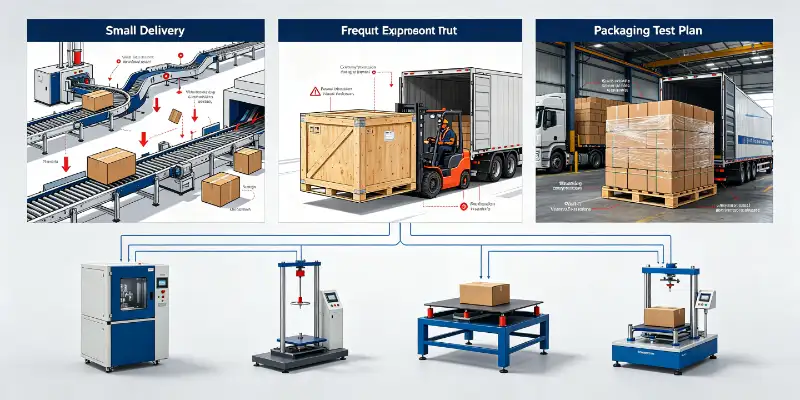
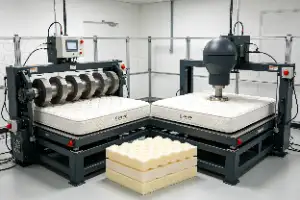
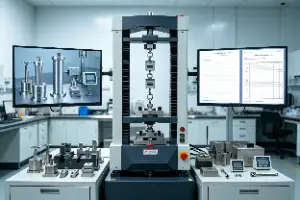
Box compression is one of three essential packaging tests. A complete lab integrates:
ASTM D642 / ISO 12048
10 · The Bottom Line
A box compression tester is a 10-15 year investment. Match capacity to your largest stack load (with margin), insist on parallel platens and load-displacement graphing, and verify calibration traceability before you sign. The right machine catches weak boxes before your customers do.
FAQ
BCT tests the finished box (structural). ECT tests board material only. BCT is the definitive packaging performance test.
Strength drops 30-50% in high humidity (50% → 90% RH). Always condition at 50% RH per TAPPI T402 before testing.
Calculate your heaviest stack load + 30-50% margin. Standard corrugated boxes: 5-10 kN. Export pallets: 20-50 kN.
Annually at minimum. Heavy-use labs (200+ tests/day) should calibrate semi-annually per ISO 17025 requirements.
Only if your largest box fits within the platen. A 1,000×1,000 mm platen tests boxes up to ~900×900 mm. Buy for your biggest box.
For basic pass/fail: no. For failure mode analysis, SPC integration, or audit documentation: yes.