
Servo Hydraulic UTM Selection Guide for Buyers
Date: July 15, 2026 Categories: Technical Guides & Blog Views: 9710
Servo-Hydraulic vs Electromechanical UTMs
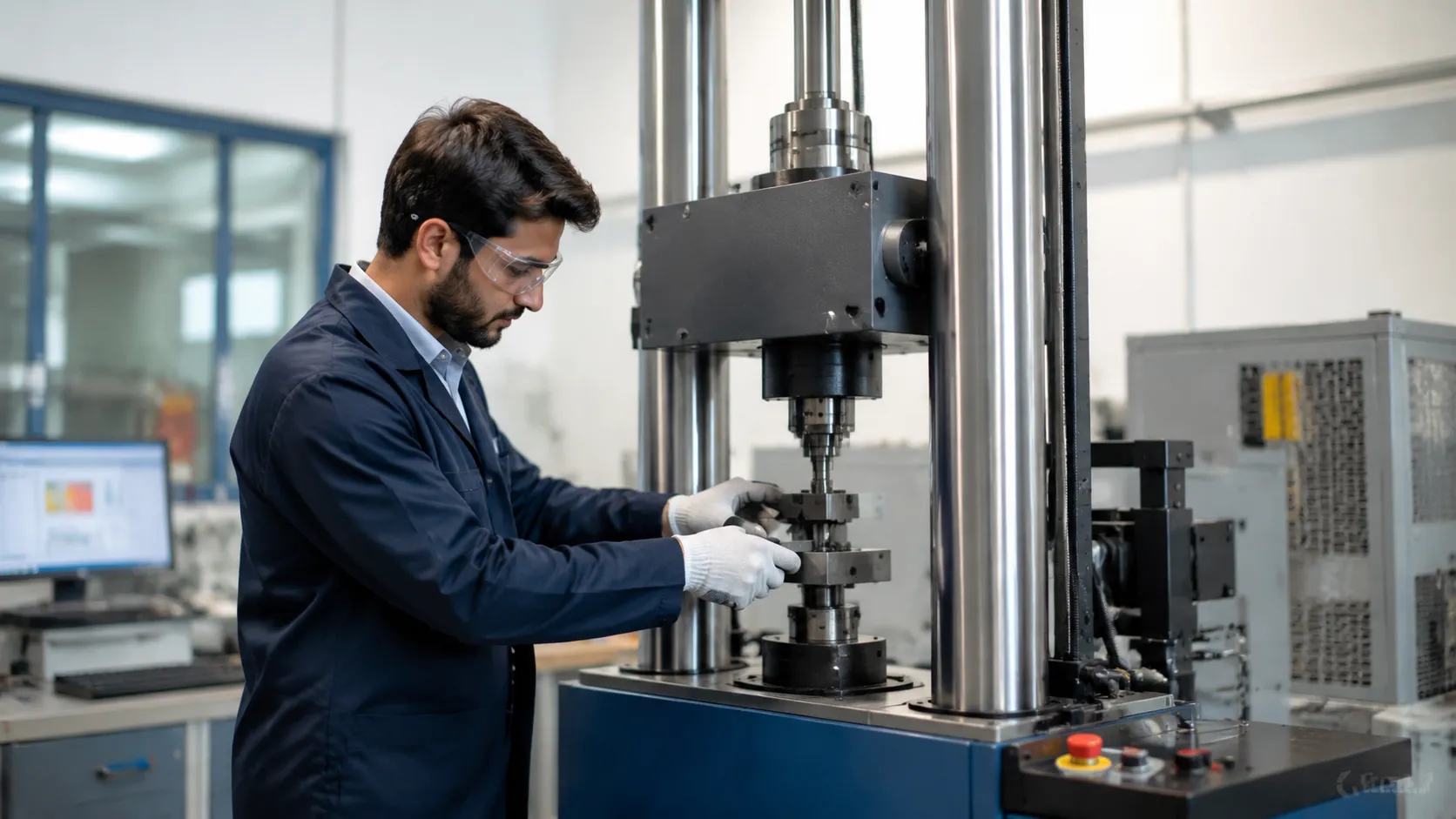
When I am choosing a servo-hydraulic UTM, I look at the job first: the force level, the specimen size, and whether the lab needs a system built for heavy-duty, high-capacity work. For lower-force routine testing, an electromechanical frame may be enough, but once the application moves into large structural samples or demanding quality control work, a servo-hydraulic system becomes the more practical choice.
When I choose servo-hydraulic
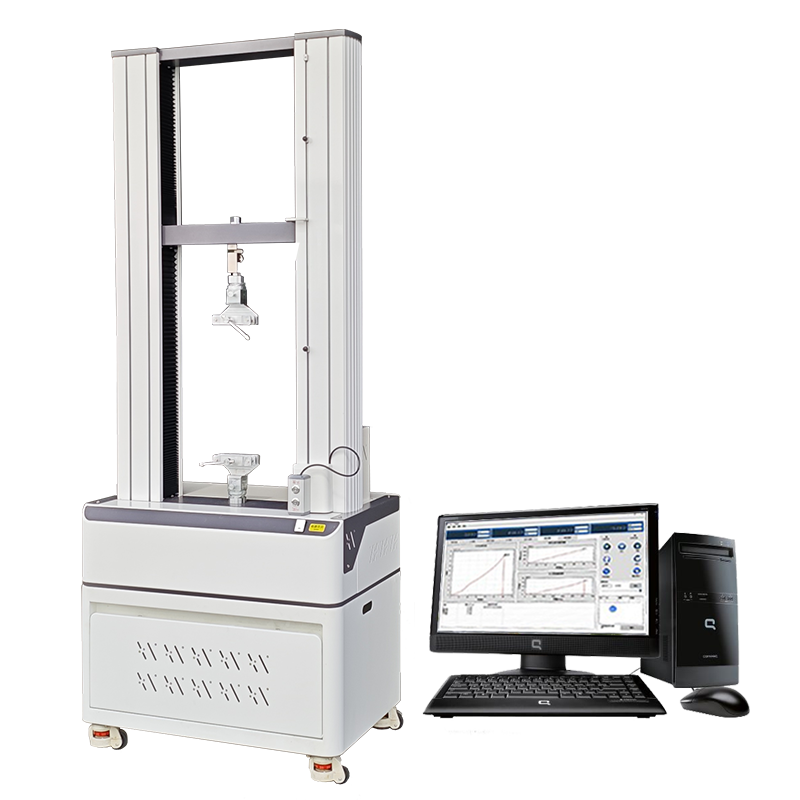
I move to a servo-hydraulic universal testing machine when the test needs more force, more structural strength, or more flexibility in machine design. Derui’s lineup reflects that need with systems such as the 1000 kN hydraulic horizontal tensile testing machine, the high-precision servo hydraulic tensile testing machine up to 3000 kN, and the 5000KN hydraulic universal testing machine for heavy-duty applications.
What I check first
- Load demand: I match the machine capacity to the real working load, not just the ideal case.
- Specimen size: Larger or longer samples often need a more robust frame or a horizontal setup.
- Test type: Tensile, compression, and other high-force checks may call for a stronger hydraulic platform.
- Lab goals: If I want a system that supports long-term quality control, research, and development, I look for durable construction and custom engineering support.
Why it matters
For me, the right choice is not just about buying a machine. It is about selecting material testing laboratory equipment that can handle the force, fit the sample, and stay reliable over time. That is where a servo-hydraulic system stands out: it gives me the headroom, structural strength, and application flexibility needed for demanding testing work.
Force Capacity Selection
When I size a servo-hydraulic UTM, I start with the real load, not the ideal one. I look at the working load, the peak load, and the extra room I want for force headroom.
Load Planning
- Working load: the force I expect to use in normal tests
- Peak load: the highest force the sample may reach in a short burst
- Force headroom: extra capacity that helps protect accuracy and uptime
A 1.2x to 1.5x safety margin is a practical way to avoid running the machine at its limit. That matters for high-capacity tensile testing, compression testing, and fatigue work, where repeated stress can push a system harder over time.
Capacity Guide
| Capacity | Best fit | Common use |
|---|---|---|
| 1000 kN | Horizontal setups | Long specimens and loading layouts that need a horizontal tensile testing machine |
| 3000 kN | High-precision heavy-duty testing | High-capacity tensile testing where control and accuracy still matter |
| 5000 kN | Large structural testing | Heavy universal testing machine work for demanding compression and validation needs |
What I Match First
I usually match capacity to these points:
- Highest expected force
- Specimen size and shape
- Tensile, compression, or fatigue testing
- How much future growth the lab needs
- How often the machine will run near max load
For labs handling ASTM E8 steel testing, ISO 6892-1 metal testing, concrete compression testing, or structural steel rebar testing, I plan capacity conservatively. That keeps the setup stable, helps maintain repeatable results, and supports longer service life.
Simple Rule
- Choose 1000 kN when the job fits a horizontal, high-force layout.
- Choose 3000 kN when I need high-capacity tensile testing with stronger precision.
- Choose 5000 kN when the work is heavy-duty and the load demand is high.
A well-planned load capacity selection helps me protect test accuracy, reduce strain on the machine, and keep the lab ready for future testing needs.
Frame Design and Rigidity
I treat load frame stiffness as one of the first things to check in any servo-hydraulic UTM. If the frame flexes under load, I can see it in the data: lower repeatability, more noise in the curve, and more setup issues from one test to the next. For tensile testing, compression testing, and fatigue testing, a rigid frame helps keep the force where it belongs and supports better specimen alignment.
Why rigidity matters
A stronger frame gives me more consistent results, especially when I am running repeated tests in a production or research lab. It helps with:
- Better test accuracy
- More stable force readings
- Less variation between operators
- Improved data repeatability
- Cleaner results for compliance work
Vertical or horizontal
I choose the frame style based on the specimen and the loading setup.
- Vertical testing frame: a practical fit for standard tensile and compression work
- Horizontal tensile testing machine setup: useful for long specimens, heavy parts, or awkward loading conditions
- Dual-space frames: helpful when I want tensile and compression work in one system
Column structure and stability
When I compare 2-column, 4-column, and 6-column structures, I look at how much rigidity the lab needs and how heavy the sample load will be. In general:
| Frame type | Best fit | Main value |
|---|---|---|
| 2-column | Lighter-duty work | Simpler layout |
| 4-column | General high-force use | Better stability |
| 6-column | Very high-load testing | Higher rigidity and load support |
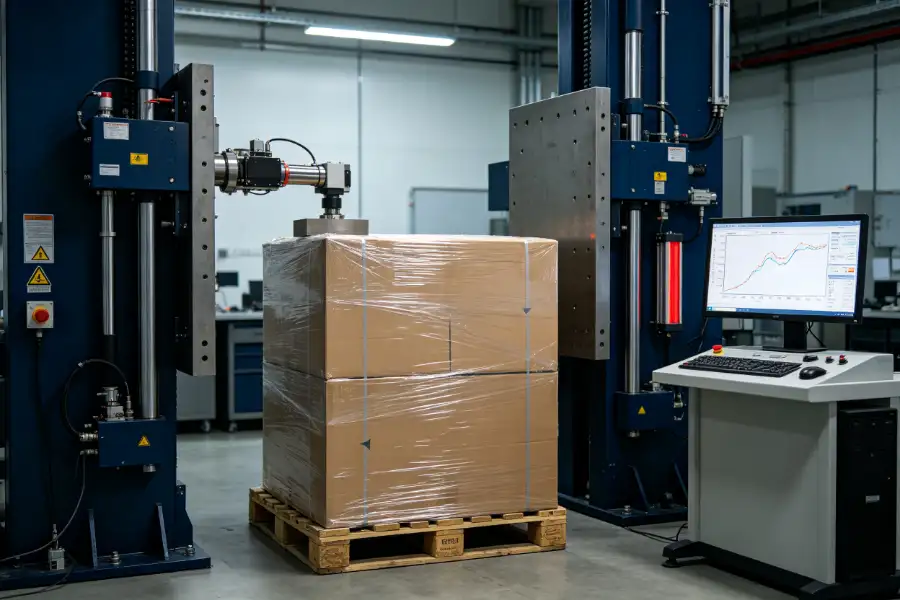
For high-force applications, more structure usually means better frame rigidity, better alignment, and steadier results. That matters when I am working with high-capacity tensile testing or a 5000kN universal testing machine where even small frame movement can affect confidence in the data.
Grips and Fixtures
I treat grips and fixtures as the part of the setup that decides whether the test is dependable or wasteful. A strong frame is not enough if the sample slips, twists, or sits off-center.
Grip fit matters
For steel, alloy, rebar, concrete, and composite specimens, I match the grip style to the sample shape, surface, and test load. That helps me keep the test stable from the first pull to the final break.
- Hydraulic wedge grips help improve clamping force
- Better clamping means less slippage during tensile testing
- The right grip choice supports cleaner data and fewer failed setups
- Poor grip selection can affect specimen alignment and repeatability
Custom fixtures help
For non-standard samples, I rely on custom testing fixtures instead of forcing an off-the-shelf setup to do the job. That matters when the sample is unusual, the loading condition is special, or the test method needs tighter control.
- Custom fixtures support purpose-built setups
- They help with awkward shapes and special conditions
- They improve setup consistency in a busy production lab
- They make it easier to keep test results repeatable across operators
Safety and repeatability
I also look at the fixture package as a safety issue, not just a hardware choice. When the sample is centered, clamped correctly, and easy to load, the whole test run becomes safer and more reliable.
| Goal | What I check |
|---|---|
| Less slippage | Grip force and surface match |
| Better accuracy | Specimen alignment |
| Safer operation | Stable loading and secure fixturing |
| Repeatable results | Fixed setup method for every test |
In practice, the best grips and fixtures are the ones that match the material, protect the operator, and keep the test consistent from one run to the next.
Control Systems and Software
When I choose a servo-hydraulic UTM, I pay close attention to the control system first. The frame matters, but the software and feedback loop are what keep the test stable, repeatable, and easy to trust.
Closed-Loop Control
A closed-loop servo control system keeps adjusting the machine while the test is running. It monitors load, strain, or displacement, then corrects the output in real time.
That matters because it helps me:
- keep the test on target
- reduce overshoot and drift
- improve repeatability across operators
- handle tensile testing, compression testing, and fatigue testing with better control
For a dynamic fatigue testing machine, the control response has to be fast. If the system reacts too slowly, the results can become less stable and less useful for high-cycle work.
High-Frequency Response
I look for strong high-frequency response when the lab runs repeated or changing loads. In plain terms, the machine needs to follow the test command quickly and consistently.
| What to check | Why it matters |
|---|---|
| Fast feedback response | Better control during dynamic loading |
| Stable load tracking | Cleaner results in fatigue work |
| Smooth transition between test stages | Less operator correction |
| Reliable displacement control | Better specimen behavior tracking |
Software Features
For computerized material testing software, I keep the focus on daily use, not just screen appearance. The software should make the test easy to run, review, and document.
| Feature | What I want from it |
|---|---|
| Test curve display | Clear live load, strain, and displacement view |
| Report generation | Fast output for lab records and customer review |
| Preset methods | Simple setup for repeat tests |
| Operator workflow | Fewer manual steps and less room for error |
What I Prioritize
For me, the best control system is the one that supports steady testing, simple operation, and clean records. In a global lab environment, that means the software should help different teams work the same way every time, with less guesswork and better test consistency.
Key takeaways:
- Closed-loop servo control improves accuracy and stability
- High-frequency response is critical for fatigue and dynamic testing
- Computerized software should simplify setup, reporting, and daily workflow
- Clear test curves and preset methods help labs stay consistent
Standards and Compliance
What I confirm first
When I buy a servo-hydraulic UTM, I start with the standards my lab must actually follow. For metal work, that often means checking support for ASTM E8 steel testing and ISO 6892-1 metal testing. For civil or construction work, I also confirm the setup fits concrete compression testing and structural steel rebar testing needs.
Standards checklist
| Area | What I confirm | Why it matters |
|---|---|---|
| ASTM E8 | Steel tensile method support | Keeps test results aligned with common metal testing practice |
| ISO 6892-1 | Metal tensile method support | Helps match international lab workflows |
| Concrete compression | Frame, platens, and capacity fit the job | Reduces setup issues and test risk |
| Rebar testing | Grip choice and specimen handling | Improves specimen alignment and repeatability |
| Factory quality | ISO 9001:2015 | Shows a controlled manufacturing process |
| Safety and compliance | CE, LVD, EMC | Supports basic market and electrical compliance needs |
| Calibration | High-force calibration records | Helps protect data accuracy and traceability |
What I look for in the machine
I do not just check the test method name. I also confirm the system has:
- Proper load range for the target test method
- Stable frame rigidity for repeatable data
- Correct fixtures and grips for the specimen type
- Calibration support for high-force testing
- Documentation that matches the standards I need
Practical buying rule
For me, the safest choice is a universal testing machine that matches the standard, the specimen, and the force level together. If the application is metal, rebar, or concrete, I make sure the machine is set up for the exact test path, not just the general category. That is how I keep compliance simple and results reliable.
Total Cost of Ownership
When I look at a servo-hydraulic UTM, I do not focus on purchase price alone. I look at the full cost over years of use: power, maintenance, calibration, downtime, and how quickly support can respond when a lab needs help. For a high-force universal testing machine, that long-term view matters just as much as force capacity.
What really drives cost
The real cost of ownership usually comes from the day-to-day load on the lab, not just the machine label.
- Power use: higher-force systems can draw more energy during operation, so I plan for that in the lab budget.
- Hydraulic upkeep: regular checks help reduce wear, fluid issues, and performance drift.
- Cooling and operating stability: consistent temperature control helps protect repeatability and uptime.
- Maintenance planning: scheduled service is cheaper than unplanned stoppages.
- Calibration turnaround: faster turnaround keeps a material testing laboratory equipment line moving.
What I watch for
A lower upfront price can become expensive if the system is hard to maintain or slow to service. I look for:
- Structural durability to reduce long-term wear
- Proactive maintenance to avoid surprise downtime
- Lifelong technical support so the machine stays usable over time
- Global installation and validation for smoother startup across locations
- In-house production because it usually makes engineering changes and service coordination more direct
Support model comparison
| Support path | What I get | What it can affect |
|---|---|---|
| Direct manufacturer support | Engineering access, product knowledge, service coordination | Faster troubleshooting, cleaner calibration planning, fewer handoffs |
| Reseller support | Local selling point, but usually another layer between buyer and maker | Can slow technical answers, parts coordination, and service decisions |
How I judge value
For me, the best servo-hydraulic system is the one that stays accurate, available, and easy to support. That means I look beyond the initial quote and ask how the machine will perform after months and years of tensile testing, compression testing, and fatigue testing. A well-built system with strong support can lower total cost of ownership even when the purchase price is higher.
Simple buying rule
- Choose the setup that gives you stable operation
- Make sure service and calibration are practical
- Check how direct the support path really is
- Treat uptime and maintenance as part of the machine price, not an extra
FAQ
| Question | My short answer |
|---|---|
| What load capacity do I need? | I match the machine to the highest expected force, then add headroom. For this lineup, options include 1000 kN, 3000 kN, and 5000 kN. |
| When should I choose servo-hydraulic over electromechanical? | I choose servo-hydraulic when the work needs high force, heavy structural testing, or more demanding fatigue testing. |
| Can one machine handle both tensile and compression testing? | Yes, a universal testing machine can cover both when it is set up with the right frame and fixtures. |
| What standards should I require? | I look for ASTM and ISO capability, plus ISO 9001:2015, CE, LVD, EMC, and valid calibration certificates. |
| What should I check before buying a 5000 kN machine? | I check frame strength, specimen setup, custom fixtures, compliance, calibration support, and long-term service backing. |
My buying rule
- 1000 kN works for many high-force lab setups that need strong but more compact capacity.
- 3000 kN fits higher-capacity tensile work and more demanding industrial testing.
- 5000 kN is the choice for heavy-duty, large-scale validation where maximum force reserve matters.
What I verify first
- Load capacity: make sure the machine covers peak force with margin.
- Test type: tensile, compression, or both.
- Standards: ASTM, ISO, and the right certification and calibration documents.
- Fixtures: grips, tooling, and custom setups for the specimen.
- Support: installation, maintenance, and technical backup from the manufacturer.
Bottom line
I treat the purchase as a system choice, not just a frame choice. The right servo-hydraulic UTM should match the force level, specimen type, compliance needs, and long-term support plan for the lab.
Related Sources
- https://www.instron.com/en/products/testing-systems/universal-testing-systems/
- https://www.zwickroell.com/products/static-materials-testing-machines/universal-testing-machines-for-static-applications/
- https://www.torontech.com/articles/what-is-a-universal-testing-machine/
- https://www.instron.com/en/testing-solutions/iso-standards/iso-6892/
- https://www.matest.com/en/product/h001b-universal-automatic-tensile-testing-machines-for-steel