
Protect low-force resolution
Provide the expected working range, not only the highest possible load. Oversized measurement capacity can weaken useful low-end performance.
Material testing equipment configured for your test method and specimen.
Select by result, specimen and method
Evaluate flexible and rigid cellular materials with instruments selected around the property you must report—not a generic machine name. Compare dedicated systems for density, indentation force deflection, compression recovery, cyclic fatigue, rebound, airflow and flammability, then confirm the configuration against your specimen and current test procedure.
Match the instrument to the reported result
Similar-looking foam specimens can require different loading, conditioning and calculations. Start with the property named by your specification, then confirm the current method and specimen form.
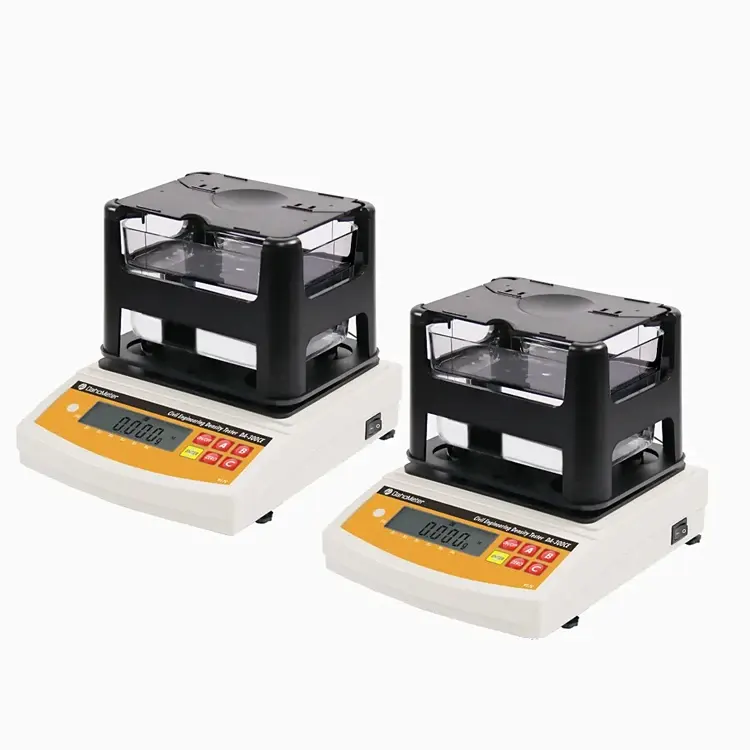
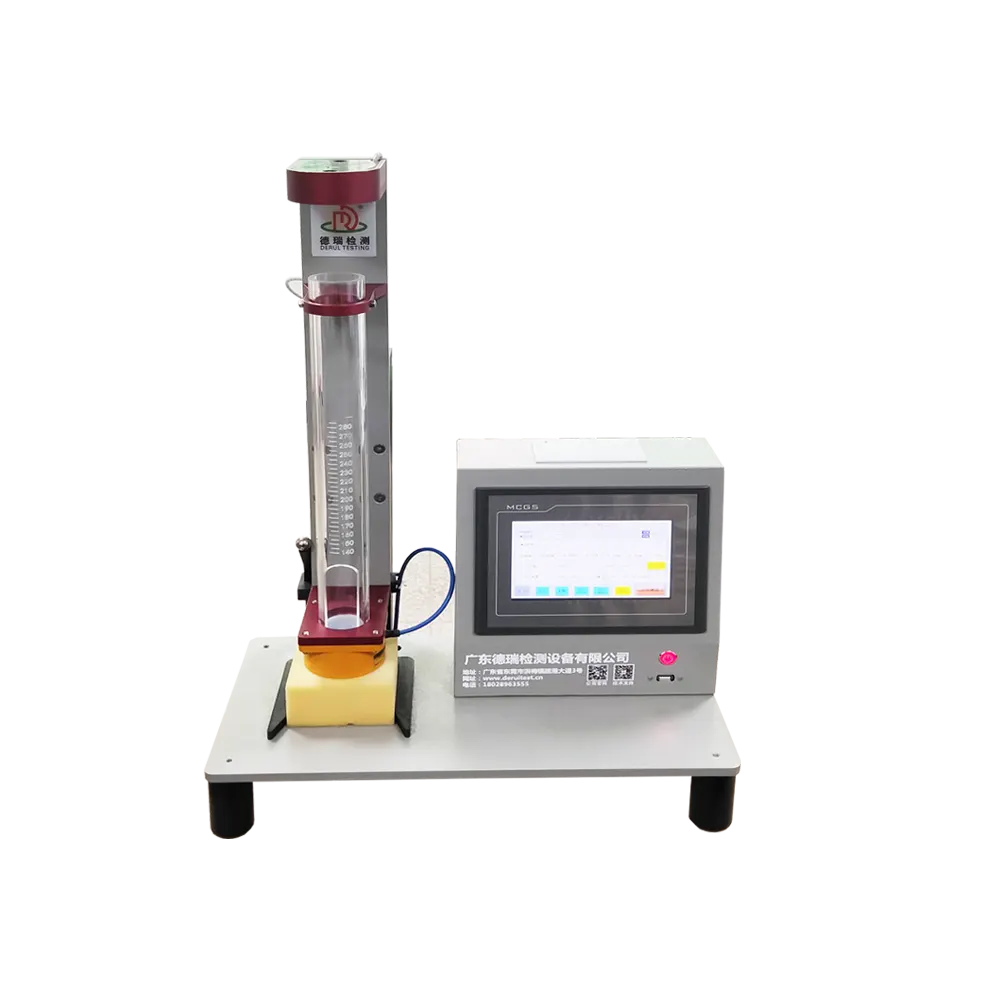
Determine apparent density from a correctly prepared specimen and controlled dimensional measurement.
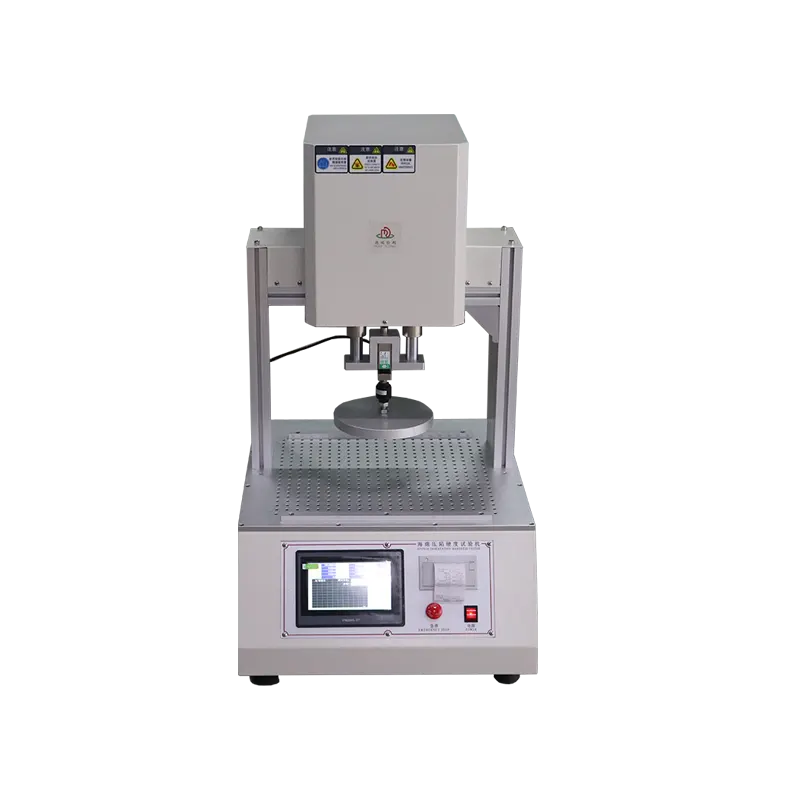
Confirm: foam type · specimen size · unitsMeasure indentation response at specified deflections using the required platen, support surface and preconditioning sequence.
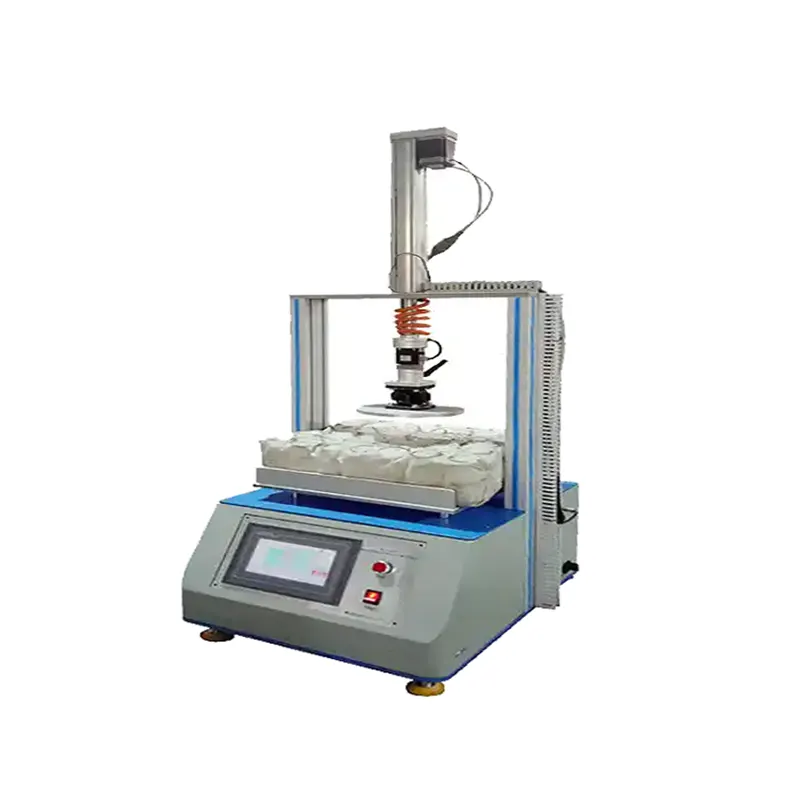
Confirm: indenter · deflection · preloadEvaluate recovery behaviour after a defined compression and dwell period without treating it as a fatigue result.
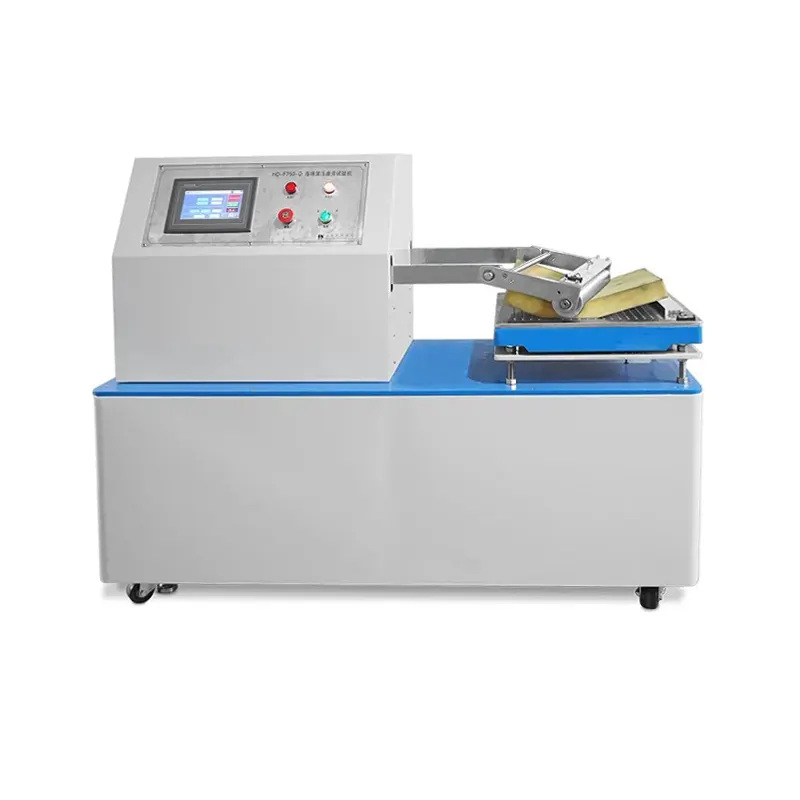
Confirm: compression · dwell · reading timeApply repeated loading to quantify changes in thickness, hardness or performance after the prescribed cycle sequence.
Confirm: load/deflection · cycles · rateCompare energy-return behaviour using the ball, drop condition and result calculation specified by the method.
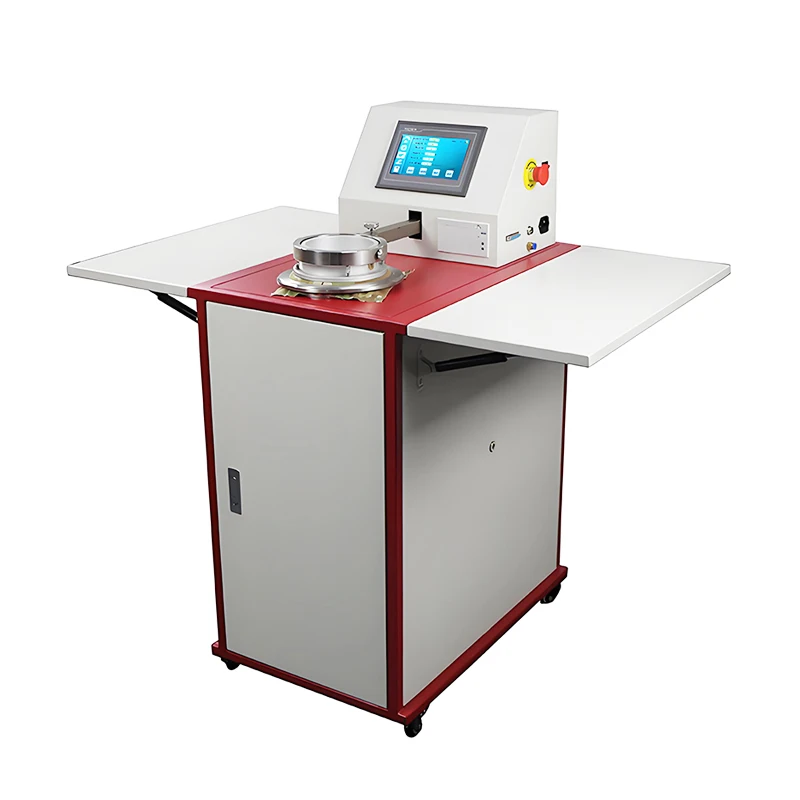
Confirm: ball · drop height · result scaleCharacterize open-cell airflow under the specified pressure differential, specimen area and sealing arrangement.
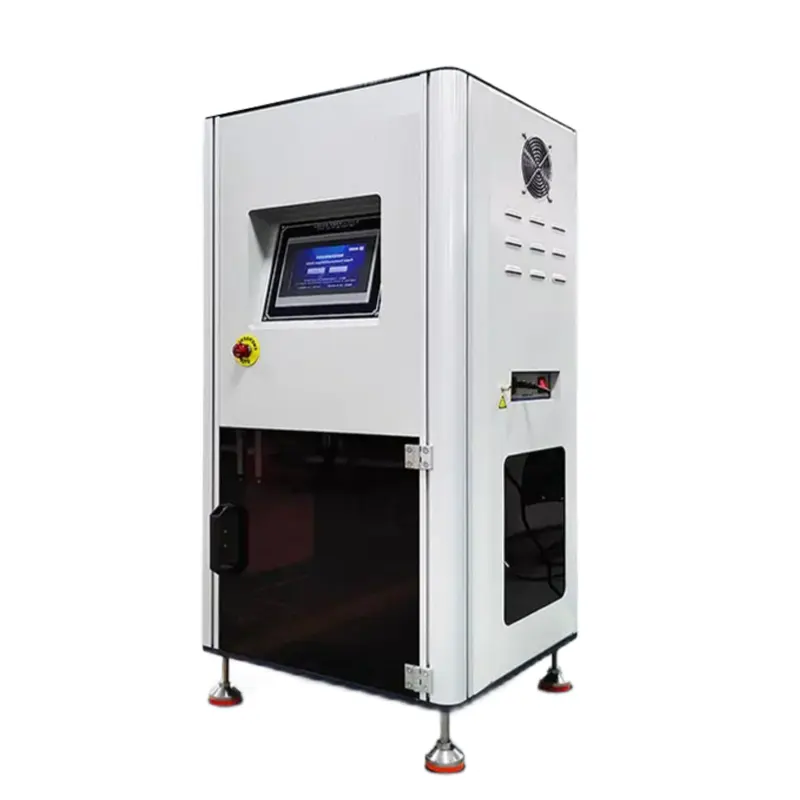
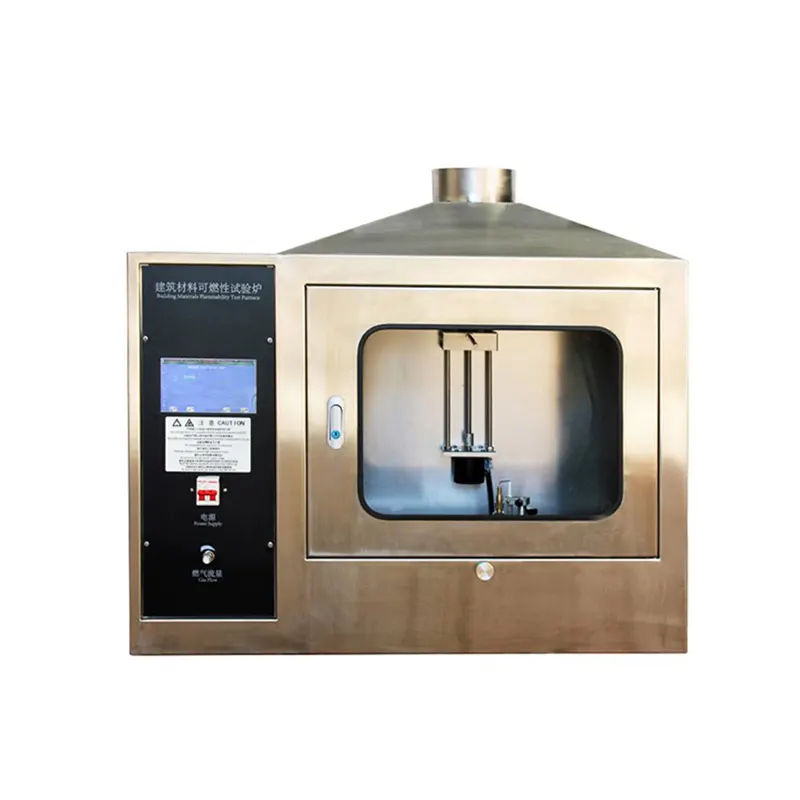
Confirm: pressure · area · edge sealSelect the chamber, burner and specimen holder from the governing product or material procedure.
Confirm: method · orientation · conditioningConfiguration guide
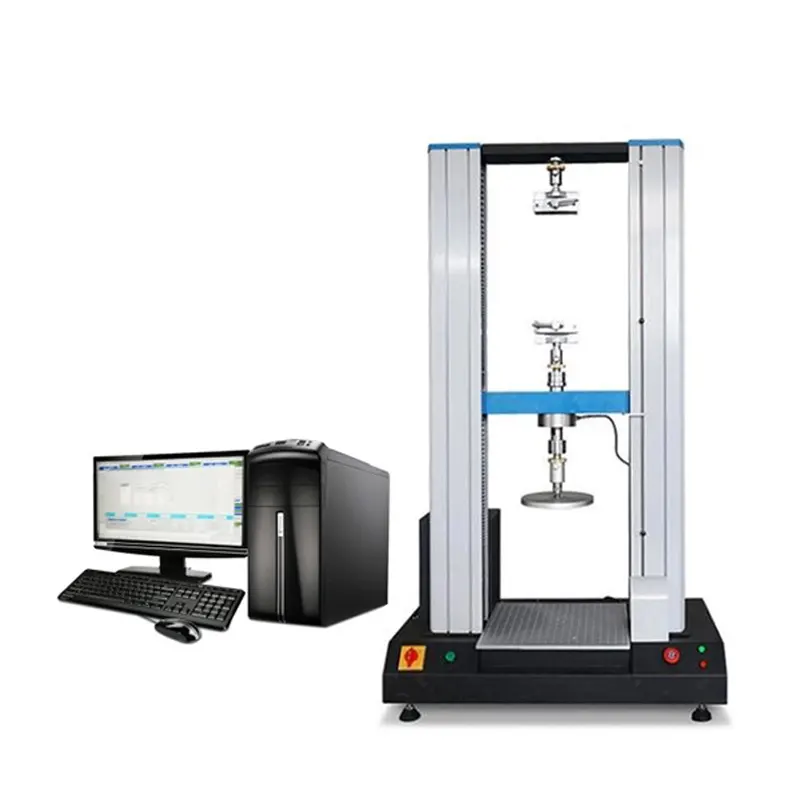
A dedicated instrument is usually the clearer path for repeatable density, rebound, airflow, flammability or long-cycle tasks. A suitably configured universal testing machine can be appropriate when the procedure requires controlled force/displacement, interchangeable compression and tensile fixtures, and flexible data analysis.
Provide the expected working range, not only the highest possible load. Oversized measurement capacity can weaken useful low-end performance.
Confirm specimen width, thickness, travel, fixture height and clearance at the most demanding point in the procedure.
The loading surface, support, perforation, edge condition and grip method can change the result and must match the procedure.
List approach, preload, deflection or force targets, dwell time, recovery interval, cycle rate and automatic stop conditions.
Identify force, displacement, thickness change, recovery, cycle count, airflow or rebound output and the required units and calculations.
Define operators, batches, daily tests, specimen IDs, report format, raw-data retention, verification and maintenance expectations.
Quotation input: method/revision · specimen drawing · expected range · fixtures · sequence · throughput · reports · destination country
The same foam property can support formulation work, incoming inspection, process control, product release or failure analysis. Define the decision first so the test frequency, automation and reporting configuration fit the job.
Purpose: compare formulations and structures using controlled density, indentation, recovery, resilience, airflow or durability results.
Purpose: verify lot consistency against agreed methods, conditioning, sampling rules and acceptance limits before material enters production.
Purpose: identify shifts in density, hardness, cell openness or recovery early enough to correct mixing, curing or converting conditions.
Purpose: assemble the required material evidence for seating, bedding, protective packaging, automotive, filtration or other finished-product specifications.
Purpose: compare retained, returned and reference samples using the same controlled method to investigate permanent set, softening, fatigue or airflow change.
Answers for planning a foam testing capability. Model-specific ranges and options must be confirmed on the applicable product page or quotation.
Start with the decision the result must support and the governing specification. Density, IFD/ILD, compression recovery, fatigue, rebound, airflow and flammability describe different behaviours and are not interchangeable.
No. A configured universal testing machine may cover compatible static compression, indentation, tensile or tear procedures, but density, rebound, airflow, flammability and demanding cyclic methods normally require dedicated apparatus or substantially different systems.
The terms are often used for indentation-based foam firmness, but the procedure named by the customer controls the specimen, indenter, support, preload, deflection sequence and result. Do not substitute terminology without checking the current specification.
Foam response can change with dimensions, skin condition, cutting quality, recovery time, temperature and humidity. Consistent preparation and conditioning are necessary before equipment repeatability can translate into comparable results.
Use the expected working loads and the lowest result that must be measured—not only the maximum frame capacity. The complete measurement chain, fixtures and method accuracy requirement should be reviewed together.
Choose a fatigue-rated system when the procedure requires repeated loading, long unattended runs, defined cycle rate, automatic counting and post-fatigue comparisons. A machine designed only for static testing should not be assumed suitable.
Provide foam type and end use, current test method and revision, specimen dimensions, expected result range, fixtures or contact surfaces, control sequence, daily throughput, report requirements and destination-country utilities.
Align the method edition, sampling, specimen preparation, conditioning, apparatus configuration, verification status, calculation and report fields. Comparing only the final number can hide important procedural differences.
Standards note: always use the current authorized method and confirm that the selected model, fixtures, controls and reporting functions support its actual requirements.
Send the test requirement before selecting capacity, fixtures or automation. DERUI can review the measurement task and prepare a configuration for technical and commercial discussion.
A recommendation is prepared after compatibility between the procedure, specimen, fixtures, measurement range, control functions and site conditions is reviewed.

Derui Test Equipment
We are a dedicated manufacturer of precision material testing equipment, committed to supporting global industries with reliable testing solutions.
Our Core Product Lines:
Universal Testing Machines (Tensile/Bend/Compression)
Environmental Simulation Chambers (Climatic, Thermal Shock)
Specialized Testing Equipment for Packaging, Furniture & Materials