

Understanding Foam IFD: Indentation Force Deflection Testing Explained
Date: May 12, 2026 Categories: Technical Guides & Blog Views: 2495
- foam IFD testing is essential for quality control and regulatory compliance in foam manufacturing
- Standardized test methods ensure consistent, reproducible results across different labs
- Proper equipment calibration and specimen preparation are critical for accurate data
- This guide covers the complete testing workflow from sample preparation to data interpretation
- Industry applications span furniture, automotive, packaging, and construction sectors
What Is foam IFD testing?
foam IFD testing is a critical quality control procedure used throughout the foam manufacturing and testing industry. Whether you are producing polyurethane foam for furniture cushioning, automotive seating, or protective packaging, understanding the principles and methods behind foam IFD testing is essential for ensuring your products meet both regulatory standards and customer expectations.
In practical terms, foam IFD testing involves applying controlled forces or conditions to foam specimens and measuring the material's response. The data generated helps engineers predict product performance, identify material inconsistencies, and make informed decisions about production processes. Without standardized testing, manufacturers have no reliable way to compare materials, validate product claims, or demonstrate compliance with industry regulations.
The importance of standardized foam IFD testing extends beyond individual product quality. As global supply chains become more complex, manufacturers increasingly rely on third-party test data to verify that imported materials meet their specifications. Laboratories equipped with properly calibrated instruments and trained technicians play a vital role in providing this verification.
Industry Standards and Regulations
Several key standards govern foam IFD testing practices. The most widely referenced standard is ASTM D3574, which establishes test methods for flexible cellular materials—specifically polyurethane foam. ASTM D3574 covers multiple test procedures including compression force deflection, indent load deflection (ILD), tensile strength, elongation, and tear resistance.
Beyond ASTM D3574, manufacturers may need to comply with additional standards depending on their target market:
- ISO 3386: International standard for polymeric materials, providing alternative test methods accepted in global markets
- CA TB 117: California Bureau of Home Furnishings standard for foam flammability in residential furniture
- FMVSS 302: Federal Motor Vehicle Safety Standard for vehicle interior flammability
- CertiPUR-US: Voluntary certification program for flexible polyurethane foam used in bedding and furniture
Understanding which standards apply to your products is the first step in designing an effective testing program. Always verify current regulatory requirements with your target market's authorities, as standards are periodically updated.
Test Methods and Procedures
Effective foam IFD testing requires following precise test procedures. Here is the general workflow used in most foam testing laboratories:
Step 1: Specimen Preparation
Proper specimen preparation is the foundation of reliable test data. Foam specimens must be cut to standardized dimensions as specified by the applicable test standard. For ASTM D3574, typical specimen dimensions are:
- Compression tests: 50 mm × 50 mm × 25 mm thick specimens
- Tensile tests: 25 mm wide strips, minimum 100 mm between grips
- Thickness measurements taken at 5 defined points and averaged
Specimens should be conditioned at standard laboratory conditions (23°C ± 2°C, 50% ± 5% relative humidity) for a minimum of 16 hours before testing. Temperature and humidity directly affect foam properties, so consistent conditioning is essential for reproducible results.
Step 2: Equipment Setup and Calibration
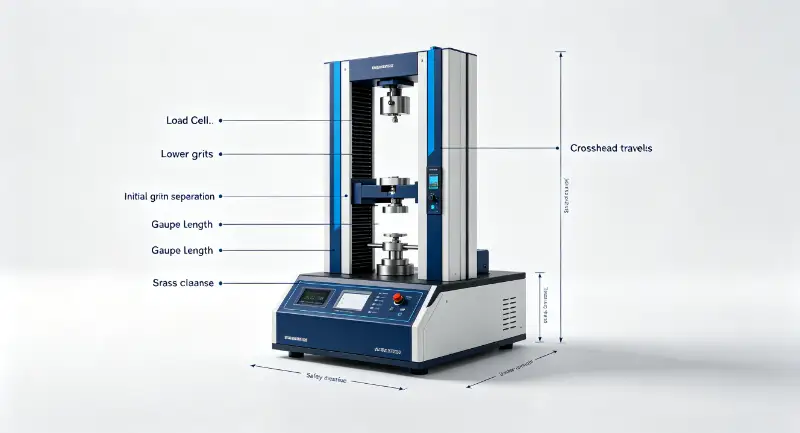
Testing equipment must be properly set up and calibrated before use. Key calibration checks include:
- Load cell accuracy verification using certified reference weights
- Crosshead speed verification using a calibrated timing device
- Platens parallelity check using a precision level
- Environmental monitoring to confirm conditioning temperature and humidity
Regular calibration records should be maintained as part of your laboratory quality management system. Most testing standards require calibration at defined intervals—typically annually for load cells and semi-annually for other critical parameters.
Step 3: Test Execution
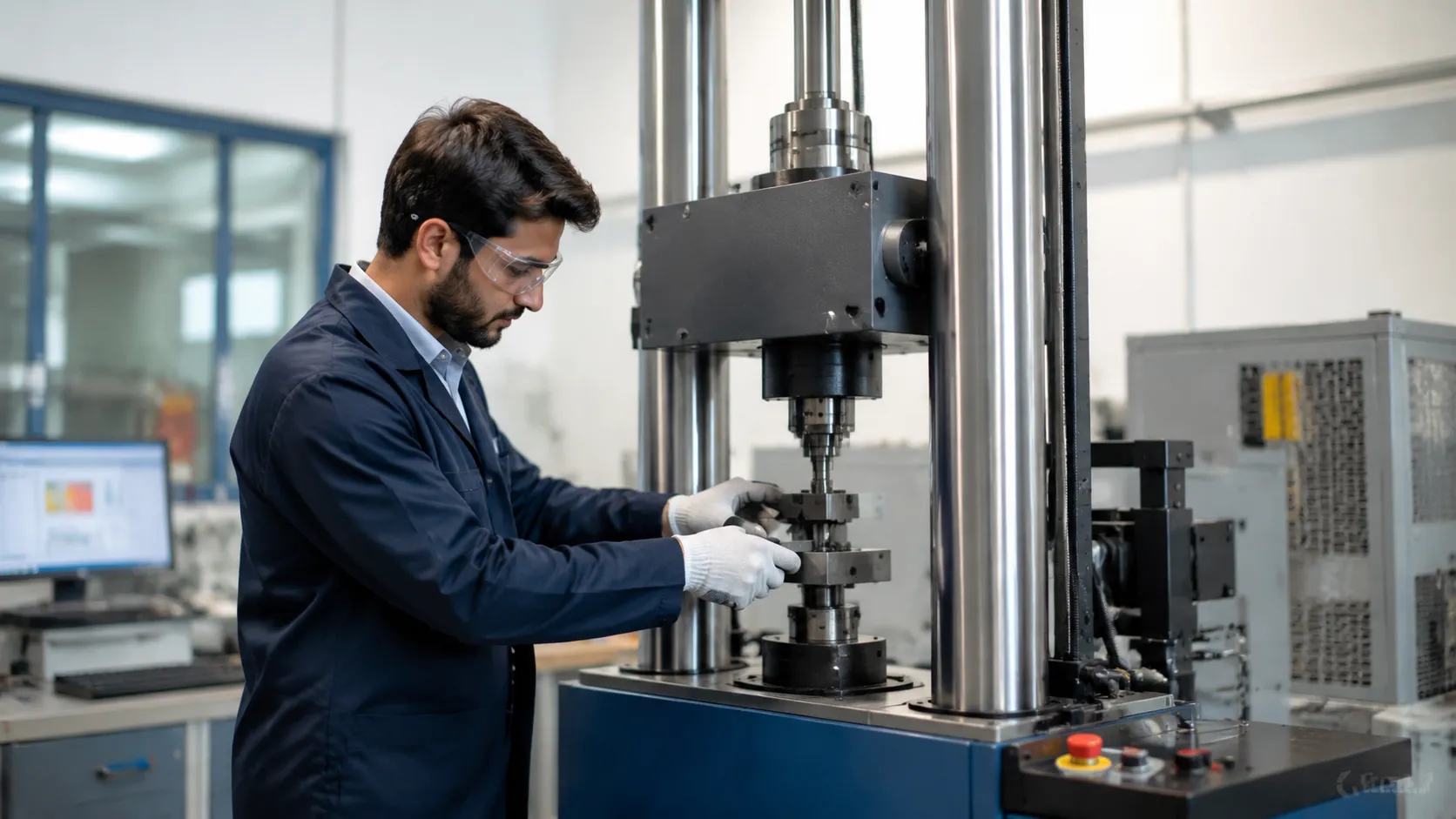
During testing, the specimen is placed between the testing machine platens or grips, and the programmed test sequence is initiated. Key parameters to control include:
- Loading rate (typically 50-500 mm/min for compression tests)
- Target deformation or load (defined by the applicable standard)
- Number of conditioning cycles (for fatigue testing)
- Environmental conditions during the test
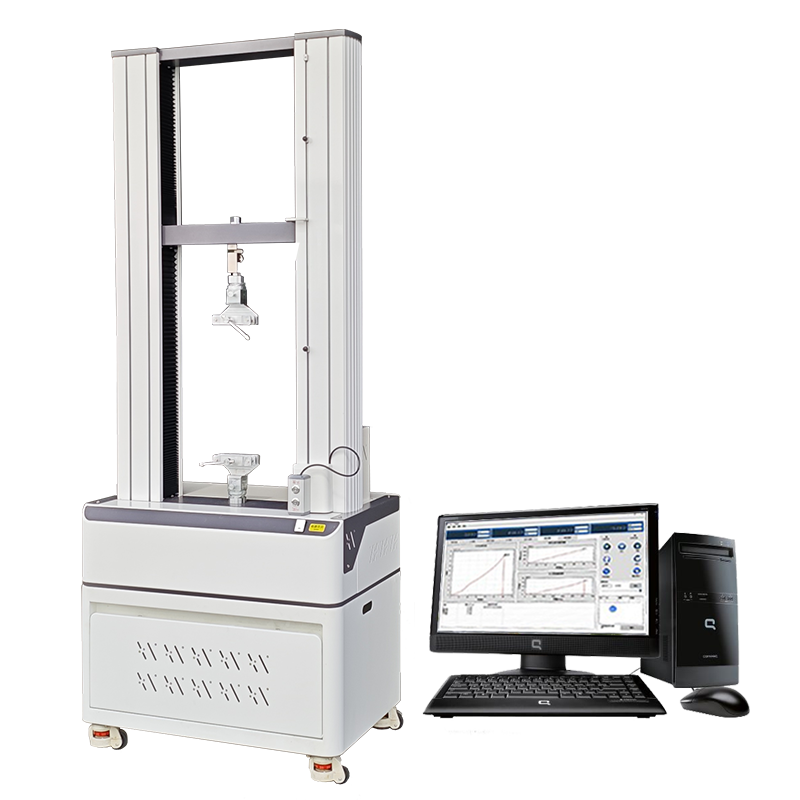
Modern computerized testing systems automatically record force-displacement data throughout the test, providing detailed analysis capabilities that were not available with older manual systems.
Step 4: Data Analysis and Reporting
Raw test data must be processed and interpreted according to the applicable standard. Key calculated values typically include:
- Peak load or stress at specified deflection
- Modulus (initial slope of the stress-strain curve)
- Energy absorption (area under the load-displacement curve)
- Residual thickness or compression set (for fatigue tests)
Test reports should include all relevant parameters, specimen dimensions, environmental conditions, equipment calibration information, and calculated results. Reports should be reviewed by qualified personnel before release.
Key Parameters and Specifications
Different applications require different foam specifications. Here are typical property ranges for common foam grades:
| Foam Grade | Density (kg/m³) | IFD (N) | Compression Set (%) | Typical Applications |
|---|---|---|---|---|
| Standard Grade | 16-25 | 120-180 | ≤10 | General furniture cushioning |
| High-Density | 28-40 | 180-280 | ≤8 | Premium seating, automotive |
| High-Performance | 40-60 | 280-400 | ≤5 | Industrial, aerospace |
| Memory Foam | 40-100 | Variable | ≤5 | Mattresses, medical |
Industry Applications
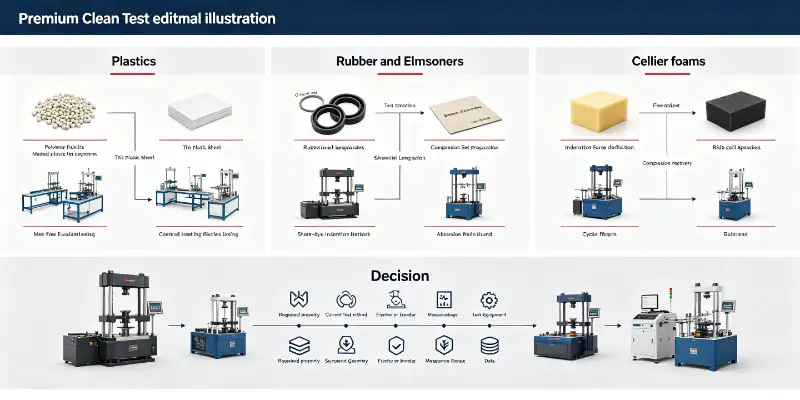
The principles and methods of foam IFD testing apply across a diverse range of industries, each with its own specific requirements and standards:
Furniture and Bedding
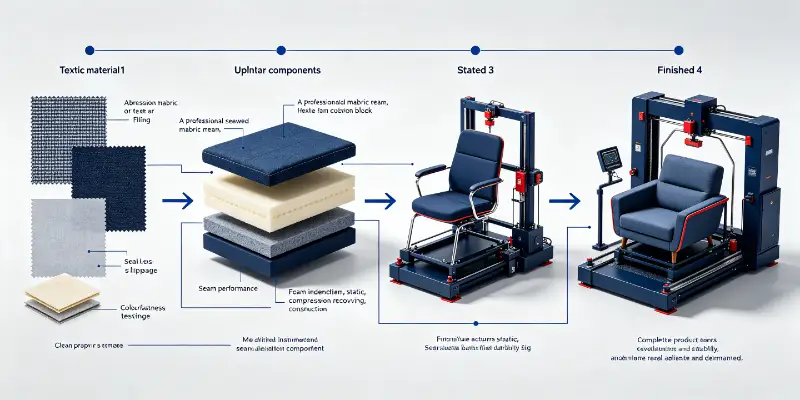
In the furniture and bedding industry, foam testing is fundamental to product development and quality assurance. Our Furniture Foam Testing: Ensuring Comfort and Durab article covers this in depth Manufacturers use compression testing, IFD measurements, and fatigue testing to optimize cushion designs for comfort and durability. Regulatory requirements for mattress flammability (CA TB 117 in the US, BS 7177 in the UK) add another layer of testing requirements.
Automotive
Automotive manufacturers and suppliers must comply with stringent performance and safety standards. Learn more in our Automotive Foam Testing: Safety, Performance, and guide Foam components in vehicle interiors—from seat cushioning to headrests and armrests—must pass FMVSS 302 flammability testing and meet OEM-specific durability specifications. The automotive industry's zero-defect culture demands rigorous testing at every stage of production.
Packaging
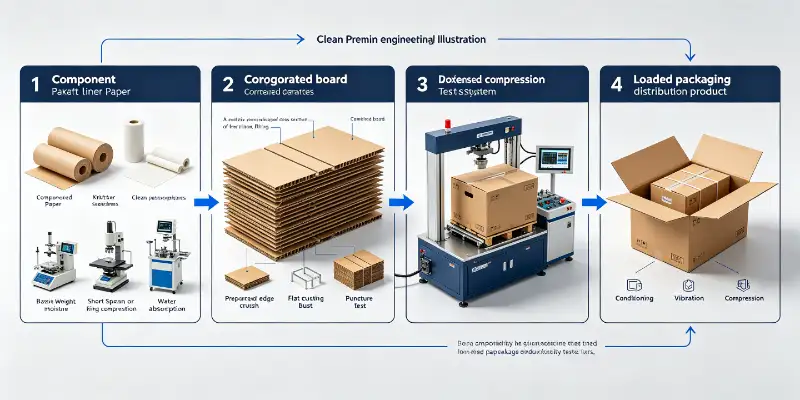
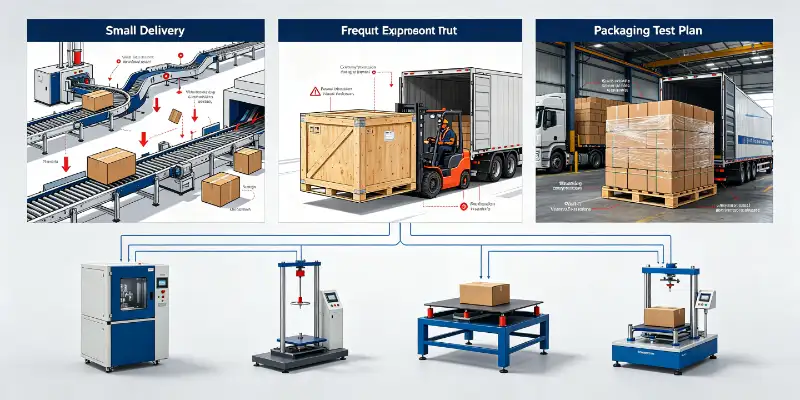
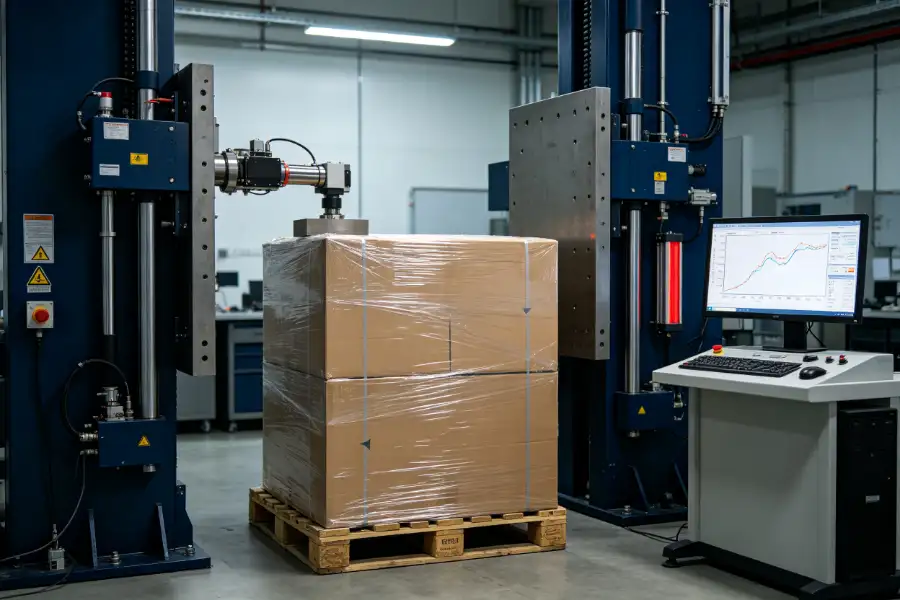
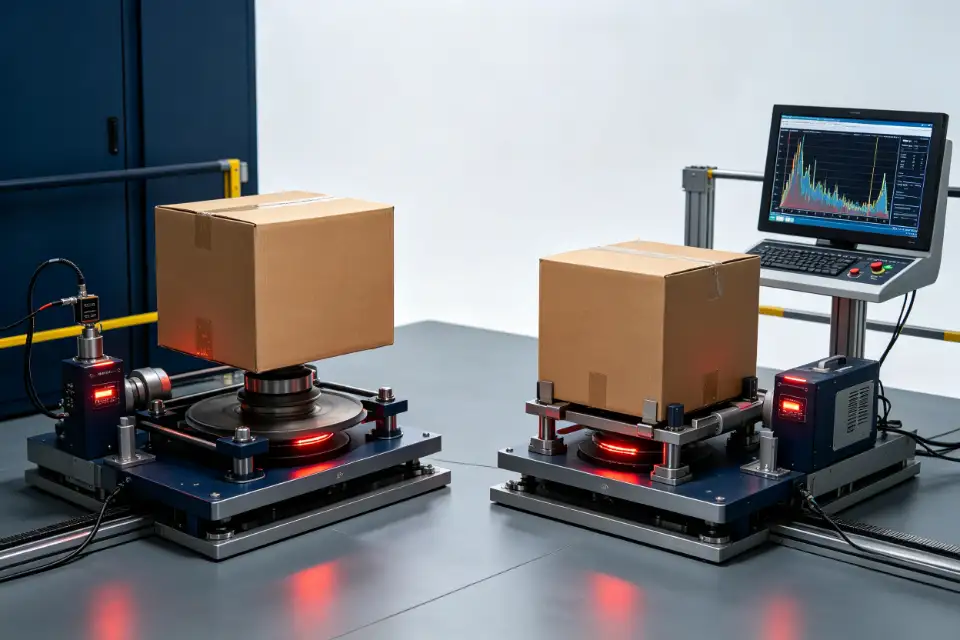
Packaging foam designers use compression testing and shock absorption analysis to develop cushioning systems that protect products during shipping. Our Packaging Foam Testing: Protecting Products Throug article covers this in depth ASTM D4169 and ISTA test protocols define the vibration, shock, and compression conditions that packaging must withstand during distribution.
Medical and Healthcare
Medical foam applications—including hospital mattresses, wheelchair cushions, and prosthetic padding—require testing to biocompatibility and durability standards. These applications demand exceptionally consistent material properties and long-term performance validation.
Equipment Selection Guide
Selecting the right testing equipment depends on your specific testing needs, throughput requirements, and budget. Here are the key factors to consider:
- Load capacity: Ensure the machine's maximum load capacity is at least 25% higher than your maximum expected test load for accurate readings in the lower range
- Crosshead travel: Verify that the machine's travel range accommodates your thickest specimens and required deflection
- Test speed range: Look for machines with a wide speed range (0.01-500 mm/min) to support multiple test types
- Software capabilities: Modern testing software should support multiple test standards, automated calculations, and data export formats compatible with your quality management system
- Calibration and support: Choose suppliers who offer regular calibration services, technical support, and spare parts availability
Best Practices for Quality Assurance
Building a robust quality assurance program around foam IFD testing requires attention to several key practices:
- Document everything: Maintain detailed records of specimen preparation, equipment settings, environmental conditions, and test results
- Follow the standard: Always test according to the specific procedure defined by the applicable standard—deviations must be documented and justified
- Control environmental conditions: Temperature and humidity variations can significantly affect foam properties; maintain tight control of laboratory conditions
- Verify equipment performance: Run periodic control specimens on known reference materials to verify instrument performance between calibrations
- Train operators thoroughly: Even small differences in specimen preparation or test execution can introduce significant variability in results
Common Challenges and Troubleshooting
Several issues frequently arise in foam testing programs:
- High variability in results: Often caused by inconsistent specimen preparation, inadequate conditioning, or non-standard cutting methods. Implement strict specimen preparation protocols and verify cutting tools are sharp.
- Equipment drift: Gradual changes in load cell calibration can introduce systematic errors. Implement control chart monitoring to detect drift before it compromises data quality.
- Specimen slippage during testing: Can occur with smooth foam surfaces. Use appropriate specimen grips or sandpaper-faced platens to ensure positive specimen engagement.
- Environmental sensitivity: Foam properties are temperature-sensitive. Ensure testing occurs within the standard temperature range and that specimens are properly conditioned.
Frequently Asked Questions
What is the most important test for foam quality control?
Compression testing (including IFD/ILD measurements) is typically the most frequently performed quality control test because it directly measures the property most relevant to end-use performance—firmness and support. However, the appropriate test program depends on your specific product requirements.
How often should testing equipment be calibrated?
At minimum, annual calibration by an accredited laboratory is recommended for primary load measurement. Many quality systems require more frequent verification checks using internal reference standards. Consult the equipment manufacturer and your applicable quality standards for specific requirements.
Can I use the same test method for all foam types?
Different foam types may require different test methods or specimen configurations. Always refer to the specific standard applicable to your foam type. For example, flexible polyurethane foam typically follows ASTM D3574, while some specialty foams may reference different ASTM or ISO standards.
What is a typical pass/fail criterion for foam testing?
Acceptance criteria vary by product and application. Most manufacturers establish internal specifications based on customer requirements, regulatory standards, and historical performance data. Work with your quality team or customers to define appropriate acceptance limits for each test parameter.
Conclusion
foam IFD testing is a cornerstone of quality assurance in foam manufacturing and product development. By understanding the relevant standards, following precise test procedures, and maintaining properly calibrated equipment, manufacturers can generate reliable data that drives better product decisions and supports regulatory compliance.
Whether you are establishing a new testing laboratory, improving an existing quality program, or selecting a contract testing laboratory, the principles covered in this guide will help you make informed decisions that improve product quality and reduce quality-related costs.