
Foam Testing Lab Setup: Equipment, Layout, and Best Practices
Date: May 8, 2026 Categories: Technical Guides & Blog Views: 8488
Excerpt:
Planning a foam testing laboratory? This comprehensive guide covers equipment selection, room requirements, staffing, workflow design, and budget planning for labs of all sizes.
- A compliant foam testing laboratory requires precise environmental control (23C, 50% RH), calibrated equipment, and documented procedures
- ISO 17025 accreditation is the global standard for testing laboratory competence and is required for test reports to be accepted by most major buyers
- Core equipment investments include IFD/ILD testers, fatigue machines, compression set fixtures, environmental chambers, and specimen preparation tools
- Staff training, equipment calibration records, and data management systems are as important as the physical equipment itself
- Phased lab setup starting with essential equipment (IFD tester, compression set) allows you to grow capabilities over 12-24 months
Building a Professional Foam Testing Laboratory
Whether you are a foam manufacturer establishing in-house quality control, a furniture brand setting up a product development lab, or a third-party testing laboratory seeking ISO 17025 accreditation, building a foam testing laboratory requires careful planning across three dimensions: physical infrastructure, equipment selection, and quality management systems.
The investment pays off quickly: a well-equipped foam lab reduces product development time by 40-60% (compared to outsourcing testing), enables proactive quality control that prevents costly recalls, and — with accreditation — opens doors to commercial testing revenue from other companies in your supply chain.
Foam properties are extremely sensitive to temperature and humidity. An IFD measurement taken at 18C vs. 28C can differ by 15-25%. Without proper environmental control, all your test data is suspect. A dedicated conditioning room maintaining 23 +/- 2C and 50 +/- 5% RH is the single most important investment in a foam testing lab.
Core Equipment Requirements
IFD / ILD Testing Machine
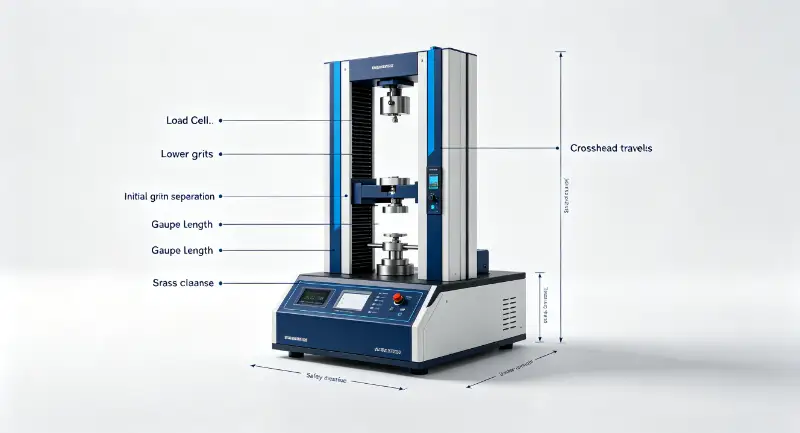
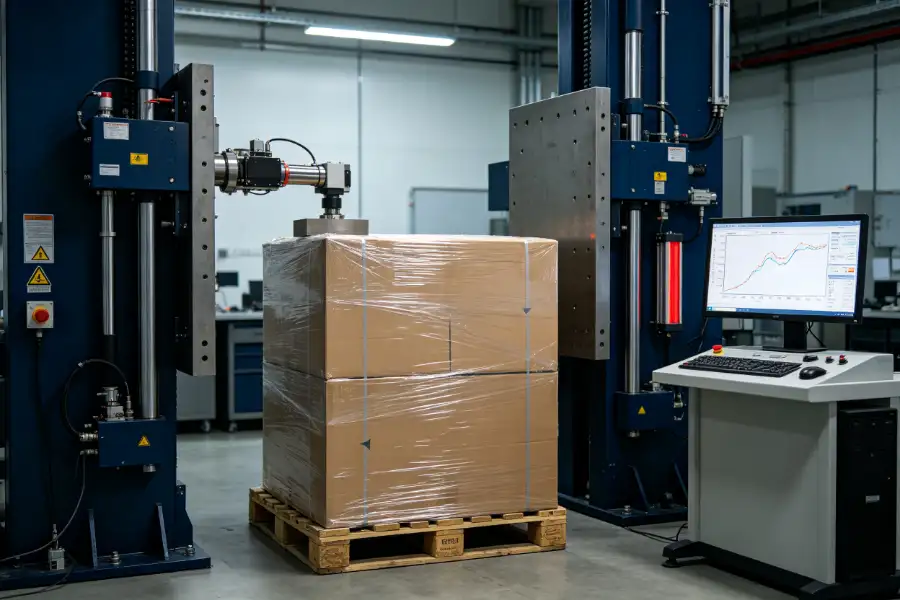
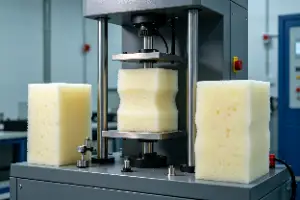
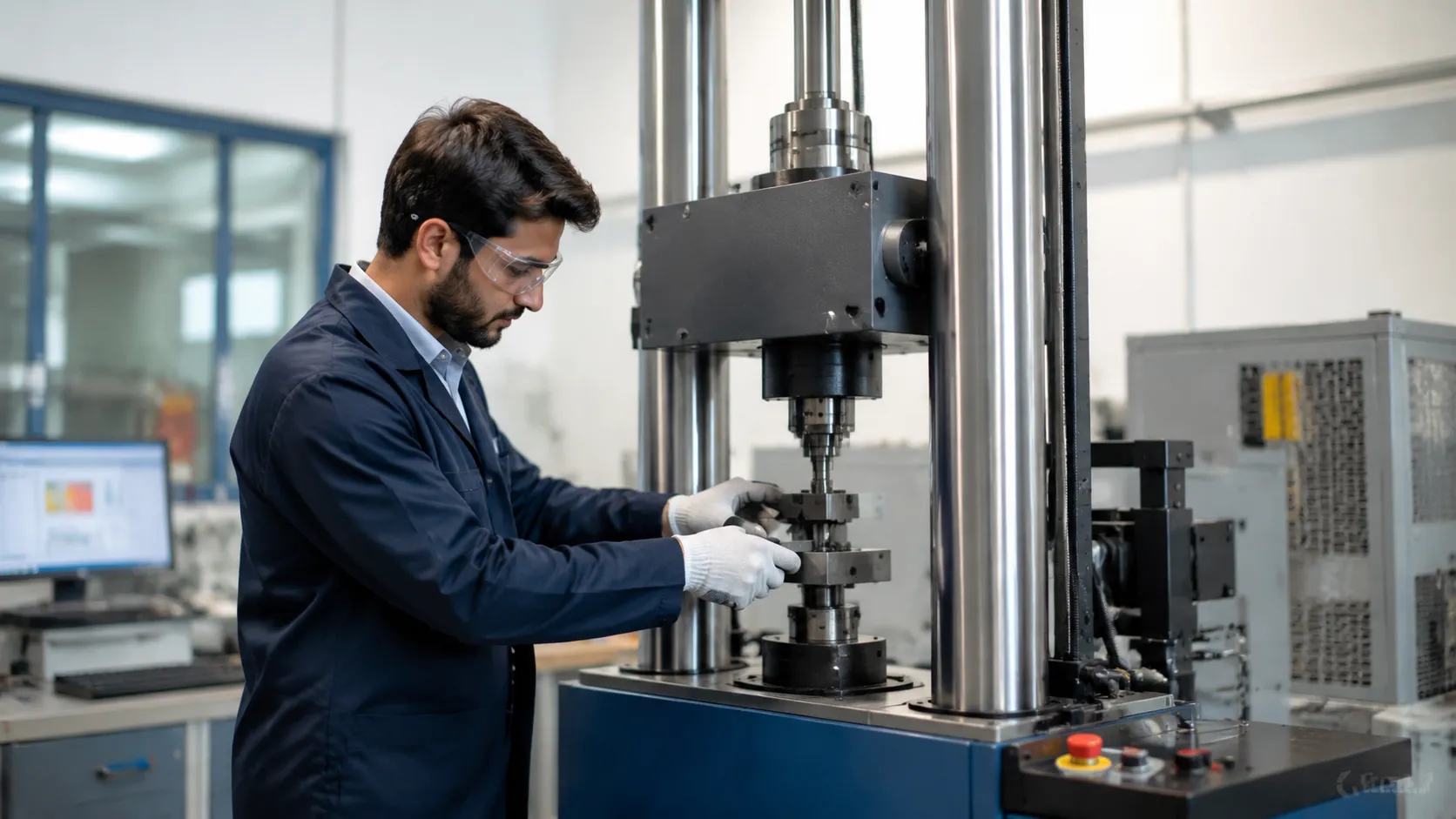
The IFD tester is the workhorse of any foam testing lab. It measures Indentation Force Deflection (or Indentation Load Deflection) by compressing a foam specimen to 25% and 65% of its thickness and recording the force required. This is the most frequently run test in a foam lab.
Fatigue Testing Equipment
For ASTM D3574 Section C cyclic fatigue testing, you need a motor-driven compression machine capable of 80,000 cycles at 50% compression. This test runs for up to 67 hours continuously, so reliability and low noise are important. Some manufacturers combine fatigue and IFD in a single automated system.
Compression Set Apparatus
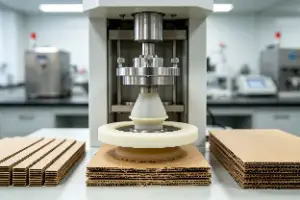
ASTM D395 Method B compression set testing requires parallel steel plates that compress foam specimens to 50% (or specified %) thickness and hold them under compression for 22 hours at standard or elevated temperature. Temperature-controlled ovens are needed for elevated-temperature compression set testing.
Environmental Conditioning Chamber
A climate-controlled chamber or room maintaining 23 +/- 2C and 50 +/- 5% RH for specimen conditioning (minimum 16 hours per ASTM standards). Walk-in chambers are ideal for mattress and furniture testing; benchtop chambers work for standard foam specimens.
Additional Essential Equipment
| Equipment | Purpose | Priority | Price Range |
|---|---|---|---|
| Precision Thickness Gauge | Measuring specimen thickness to 0.1mm accuracy | Essential | $500-$2,000 |
| Digital Calipers | Measuring specimen dimensions | Essential | $100-$500 |
| Precision Balance (0.01g) | Weighing specimens for density calculation | Essential | $300-$1,500 |
| Specimen Cutting Tools | Band saw, sharp knives, die cutters for consistent specimens | Essential | $1,000-$5,000 |
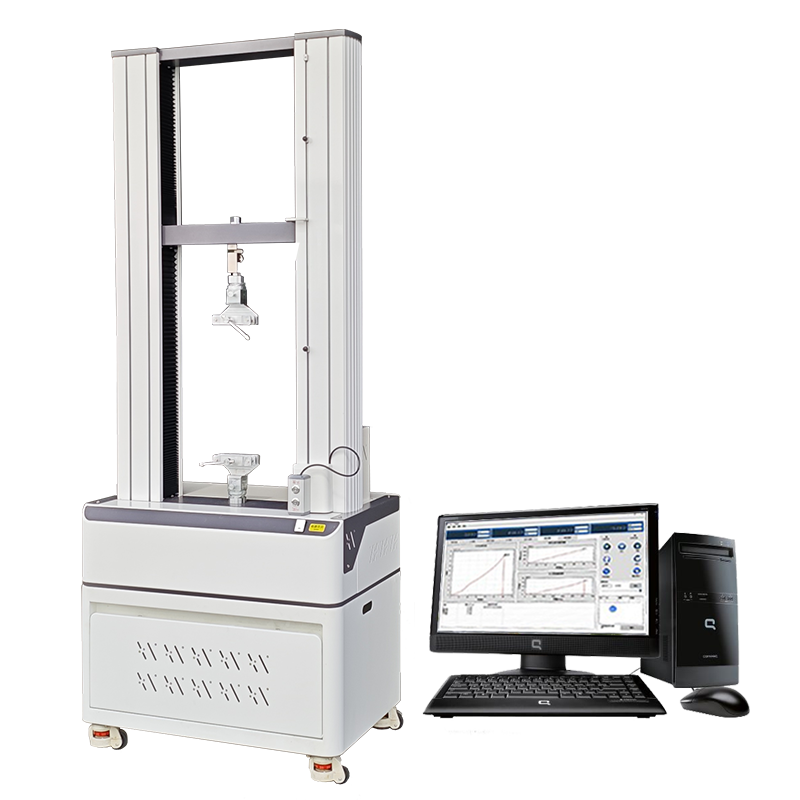
| Universal Testing Machine | Tensile strength, tear resistance, elongation | Recommended | $15,000-$50,000 |
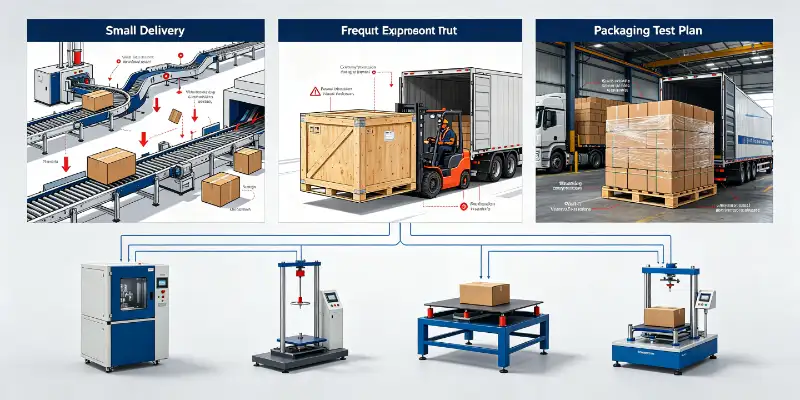
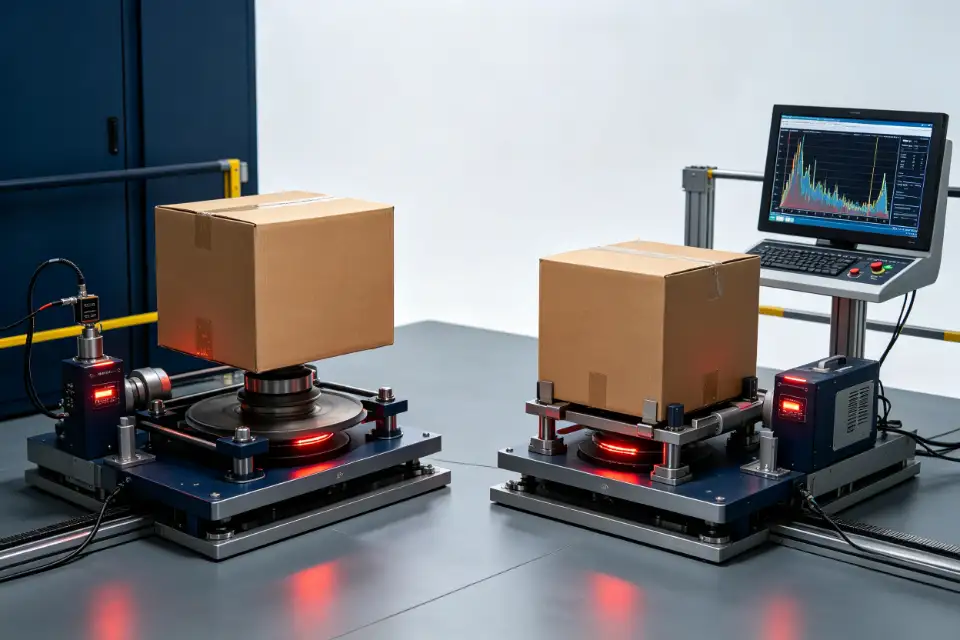
| Vibration Table | Packaging testing simulation | Recommended | $20,000-$80,000 |
| Hot Air Oven | Elevated temperature aging and compression set | Essential | $2,000-$8,000 |
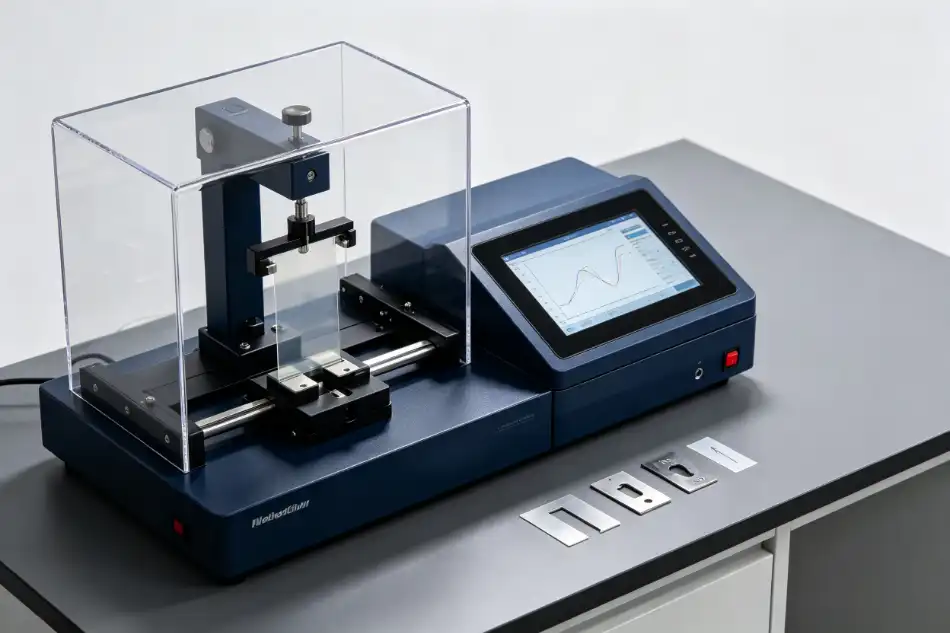
| Durometer (Shore A) | Quick foam hardness screening | Useful | $200-$1,000 |
Step-by-Step: Planning Your Foam Testing Lab
Step 1: Define Testing Scope and Target Standards
List all the standards you need to support (ASTM D3574, ISO 3386, BS 4443, CAL 117, ISTA, etc.) and the test types within each. This defines your equipment needs, environmental conditions, and space requirements. Start with the most commercially critical standards — you can expand later.
Step 2: Design the Environmental Control System
Either build or purchase a conditioning room/chamber. For labs testing more than 10 specimens per day, a walk-in chamber is more cost-effective long-term. Ensure the chamber can maintain conditions during simultaneous testing — multiple open doors and hot equipment reduce effectiveness.
Step 3: Select and Procure Core Equipment
Purchase IFD tester and fatigue machine from established manufacturers (Instron, MTS, Allied Foam Tech, Rex Gauge, ZwickRoell). Request demonstration testing with your actual foam materials before purchase. Ensure the equipment comes with NIST-traceable calibration certificates.
Step 4: Set Up Calibration and Maintenance Protocols
Establish a calibration schedule for all measurement equipment. Force measurement devices (IFD tester load cell) require annual calibration by an ISO 17025 accredited calibration lab. Document all calibrations in a calibration log. Establish preventive maintenance schedules for each piece of equipment.
Step 5: Develop Test Methods and SOPs
Document your standard operating procedures (SOPs) for each test method. SOPs must specify specimen preparation, conditioning time, environmental conditions during testing, calculation methods, and reporting format. SOPs should reference the specific ASTM/ISO/BS standard sections, not paraphrase them.
Step 6: Implement Data Management and Record Keeping
Store all raw data (including instrument files from digital testers) in an organized records system. Retain test records for a minimum of 5 years (or longer per customer or regulatory requirements). Consider laboratory information management systems (LIMS) for larger operations, or simple structured folder systems for smaller labs.
Lab Layout Best Practices
- Separate specimen preparation from testing areas to prevent contamination and ensure cleanliness of testing surfaces
- Zone heavy equipment (fatigue machines, vibration tables) on ground floors or reinforced flooring to manage vibration transmission
- Design traffic flow to minimize movement of specimens through the lab — bring testing equipment to specimens where possible
- Climate zone the testing room separately from specimen storage and equipment rooms — different areas may need different temperature/humidity conditions
- Include adequate electrical capacity for high-power equipment (fatigue machines, environmental chambers) — most require dedicated 20-30A circuits
- Provide adequate ventilation in specimen preparation areas where foam cutting generates dust and particles
en">
Foam testing involves potential hazards: heavy specimen handling, rotating machinery in fatigue testers, hot ovens for elevated-temperature testing, and isocyanate/solvent exposure from foam specimen preparation. Implement: safety signage, machine guards on all rotating equipment, heat-protective gloves for oven operations, dust extraction for cutting operations, and first aid equipment. Conduct a formal risk assessment before commissioning the lab.
ISO 17025 Accreditation: The Gold Standard
ISO 17025 is the international standard that defines the requirements for testing and calibration laboratories. Achieving accreditation demonstrates that your lab operates competently and generates valid results. Major retailers, OEMs, and certification bodies increasingly require test reports from ISO 17025 accredited labs.
Key requirements for ISO 17025 compliance:
- Management System: Documented quality manual, management reviews, internal audits, corrective action procedures
- Personnel: Documented qualifications, training records, competency assessments for all testing personnel
- Equipment: Validated test methods, calibration records, calibration certificates with traceability to national standards
- Measurement Uncertainty: Quantified measurement uncertainty for all reported results
- Participate in Proficiency Testing: Inter-laboratory comparison programs to validate your r
>Getting Started with ISO 17025
Achieving ISO 17025 accreditation typically takes 12-18 months and requires a significant documentation effort. Many labs start by establishing their quality management system following the standard, running internal audits, then applying to an accreditation body (A2LA, IAS, NVLAP in the US; UKAS in the UK). Budget $20,000-$50,000 for accreditation fees and consultant support in the first year.
Phased Lab Setup Strategy
Phase Timeframe Equipment Tests Achievable Phase 1 - Core QC Month 1-3 IFD tester, thickness gauge, balance, calipers, conditioning chamber IFD, ILD, density, basic dimensional checks Phase 2 - Full Compliance Month 3-6 Fatigue machine, compression set apparatus, oven, specimen cutter ASTM D3574 full suite, compression set, fatigue Phase 3 - Extended Scope Month 6-12 Universal testing machine, durometer, vibration table Tensile, tear, packaging testing, full ISO scope Phase 4 - Accredited Lab Month 12-18 Quality management system, enhanced calibration program ISO 17025 accredited testing, commercial third-party revenue Industry Applications for Testing Labs
📝Foam Manufacturers
In-house QC testing for every production batch, supplier qualification, R&D development for new foam formulations
🛒Furniture Manufacturers
Incoming material qualification, production quality assurance, product certification support (BIFMA, CertiPUR-US)
🚗Automotive Suppliers
OEM material qualification per Ford, GM, Toyota specifications, production part approval process (PPAP)
🏥Third-Party Testing Labs
Commercial testing services for foam manufacturers and product brands, ISO 17025 accredited test reports
📚Academic Research
Material science research on foam formulations, university materials testing programs, student lab training
🏠Mattress Brands
New product development testing, supplier qualification, CertiPUR-US and OEKO-TEX certification support
Frequently Asked Questions
What is the minimum space required for a foam testing lab?
A functional entry-level foam testing lab requires approximately 30-50 square metres (325-540 sq ft) for essential equipment and specimen storage. A full-service lab supporting mattress testing and commercial third-party testing typically requires 100-200 square metres (1,075-2,150 sq ft). The minimum ceiling height should be 2.5m; fatigue machines require 3m clearance for maintenance access.
How often should foam testing equipment be calibrated?
Load cells and force measurement systems (IFD testers) should be calibrated annually by an ISO 17025 accredited calibration laboratory. Dimension measuring equipment (calipers, thickness gauges) should be calibrated every 6-12 months. Temperature and humidity monitoring equipment should be calibrated every 12 months. Between formal calibrations, use in-house verification checks (reference specimens of known properties) to confirm equipment is functioning correctly.
Can a small foam manufacturer operate a cost-effective in-house lab?
Yes — many small foam manufacturers operate in-house labs with $30,000-$80,000 of equipment covering the most critical tests: IFD, density, and compression set. This is sufficient for day-to-day quality control. Outsource less frequent tests (fatigue, tensile) to third-party accredited labs. As production volume grows, expand the in-house lab scope. An in-house lab typically pays for itself within 12-18 months through reduced external testing costs and faster quality decisions.
What is measurement uncertainty and why does it matter?
Measurement uncertainty quantifies the range within which the true value of a measured quantity is expected to lie. For example, if your IFD result is 150N with an uncertainty of +/- 3N, the true value is likely between 147N and 153N. ISO 17025 requires labs to quantify and report measurement uncertainty. Understanding uncertainty prevents disputes when a test result falls near a specification limit and helps you set realistic internal specification tolerances with appropriate margins.
What software should a foam testing lab use for data management?
For small labs (1-5 testers), structured Excel templates with data validation and formula protection are sufficient for organizing test data and generating reports. For larger operations, a Laboratory Information Management System (LIMS) such as LabWare, STARLIMS, or CloudLIMS provides automated data capture from instruments, scheduling, reporting, and audit trail functionality. Cloud-based LIMS systems are increasingly popular for small labs due to lower upfront costs.
How do I select a specimen cutting method that gives consistent results?
Specimen consistency is critical — inconsistent cutting is a major source of test result variation. For standard foam specimens, use sharp long knives with guide rulers for rectangular cuts, or precision die cutters for consistent geometry. For high-volume production QC, a band saw with a jig and stop guide provides consistent cuts with good throughput. Never use saws that generate excessive heat (which fuses foam cell walls) or dull knives that crush specimen edges.
Conclusion
Building a professional foam testing laboratory is a significant but rewarding investment. A well-designed lab with proper environmental control, calibrated equipment, documented procedures, and trained personnel provides the foundation for product quality assurance, cost-effective R&D, and — when accredited — a credible third-party testing capability.
The key to success is starting with a clear scope definition, prioritizing essential equipment (IFD tester, conditioning chamber), and building quality management systems from day one rather than retrofitting them later. A phased approach allows you to spread the capital investment over 12-18 months while generating immediate value from the first phase of equipment.
Planning a new foam testing laboratory or upgrading your existing testing capabilities? Our team can provide equipment recommendations, lab layout guidance, and technical support for setting up or expanding your foam testing facility.
Related Testing Guides
Foam IFD Testing Explained — IFD measurement procedures for lab testing programsFoam Fatigue Testing — cyclic compression testing methodology for lab programsASTM D3574 Testing Guide — comprehensive standard reference for lab testingMattress Testing Equipment — equipment guide for consumer product testing labsFurniture Foam Testing — testing protocols for furniture industry labsNeed help planning or equipping your foam testing laboratory? Contact our technical team for personalized guidance.