

Universal Testing Machines for Foam: Features, Specs, and Selection Guide
Date: May 8, 2026 Categories: Technical Guides & Blog Views: 8650
Excerpt:
Comparing universal testing machines with dedicated foam compression testers. Learn which is right for your lab based on testing requirements, budget, and the ASTM D3574 methods you need to perform.
- Universal Testing Machines (UTMs) are the backbone of foam mechanical property testing, measuring compressive strength, tensile properties, and modulus
- Load cell capacity should be selected to place expected peak loads at 20-80% of rated capacity for best accuracy
- ASTM D1621, ASTM D3574, and ISO 1926 are the primary standards governing foam UTM testing
- Crosshead speed control and alignment precision are critical for accurate and repeatable foam test results
- The right UTM configuration depends on your foam type, test types, specimen size, and throughput requirements
What Is a Universal Testing Machine and Why Does Foam Testing Need One?
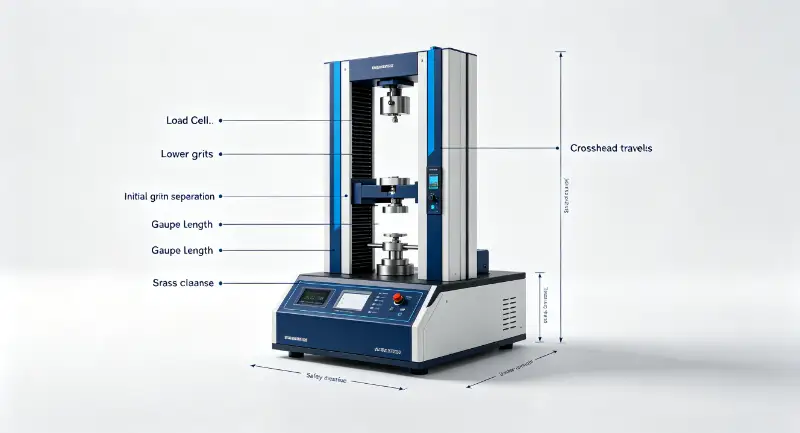
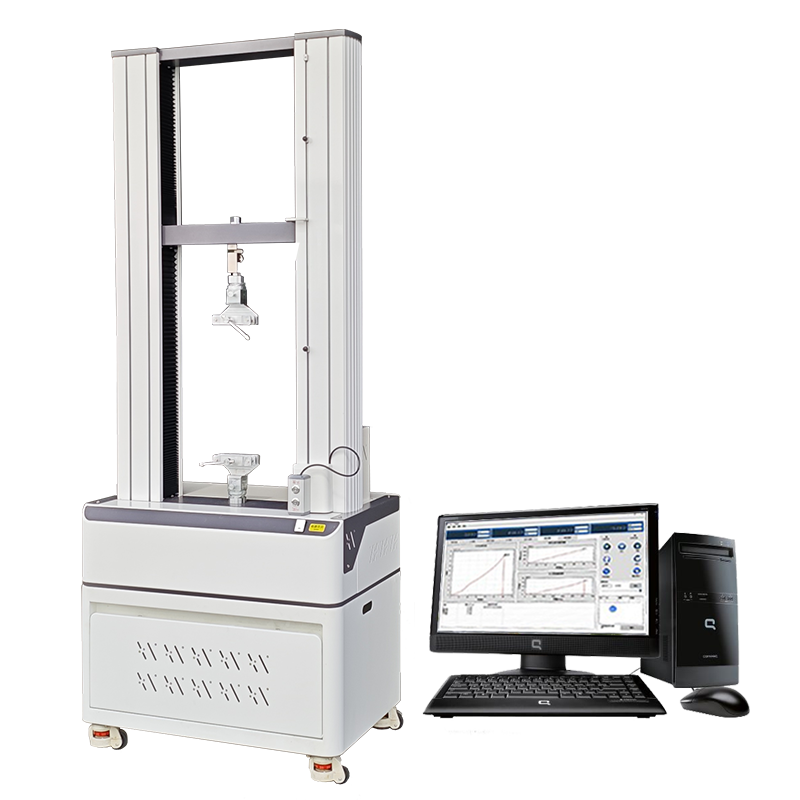
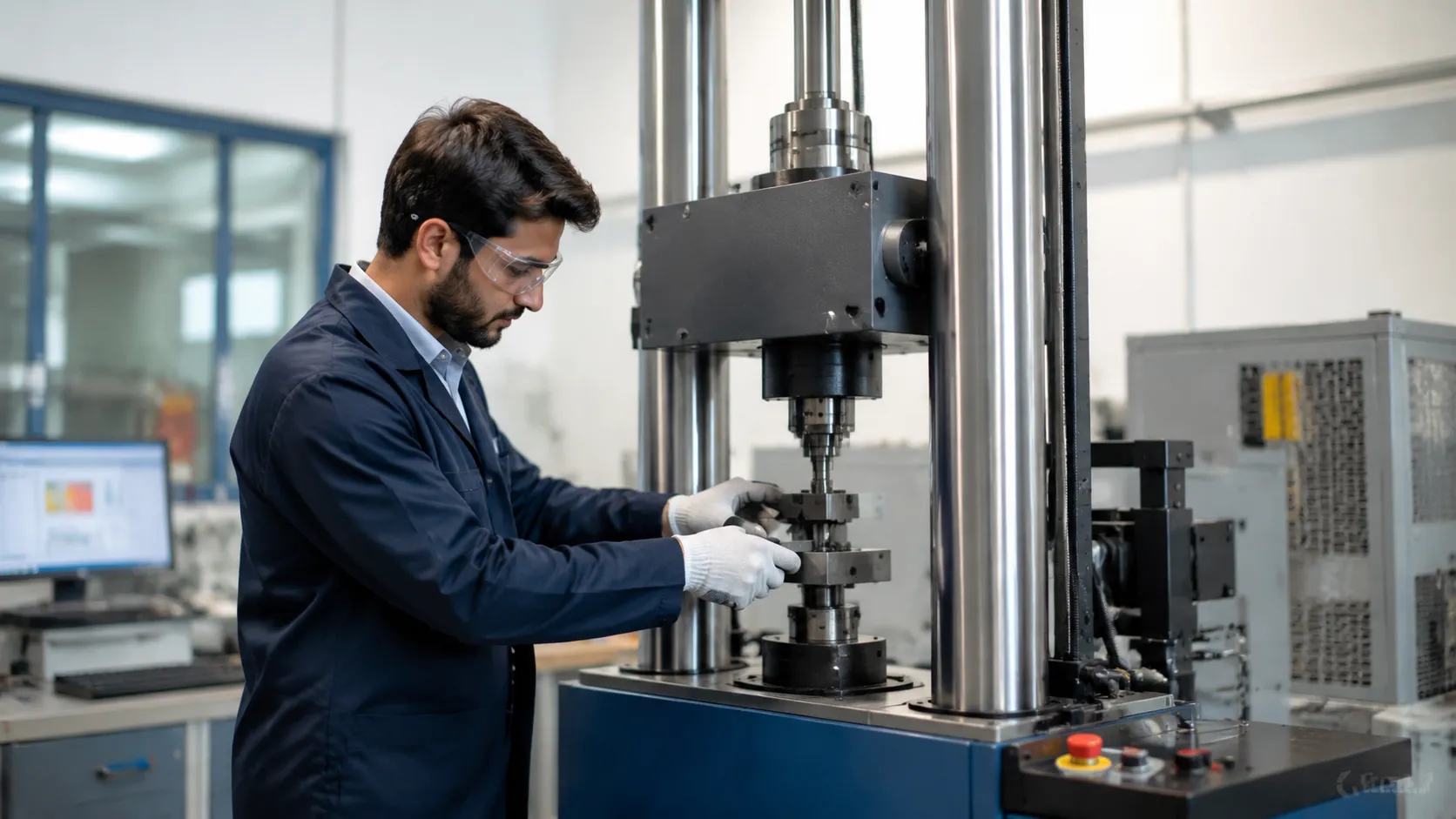
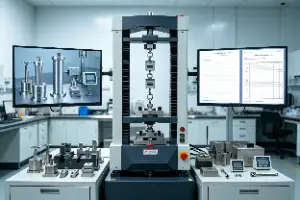
A Universal Testing Machine (UTM), also called a Universal Test Frame or Materials Testing System, is a precision instrument that applies controlled tensile or compressive forces to a material specimen while measuring the resulting load and deformation. The "universal" designation refers to its ability to perform multiple test types — compression, tension, flexure, shear — on a wide range of materials.
For foam materials, UTMs measure the fundamental mechanical properties that define how foam performs under load: compressive strength and modulus, tensile strength and elongation, tear resistance, and flexural properties. These measurements are essential for material specification, quality control, product development, and regulatory compliance.
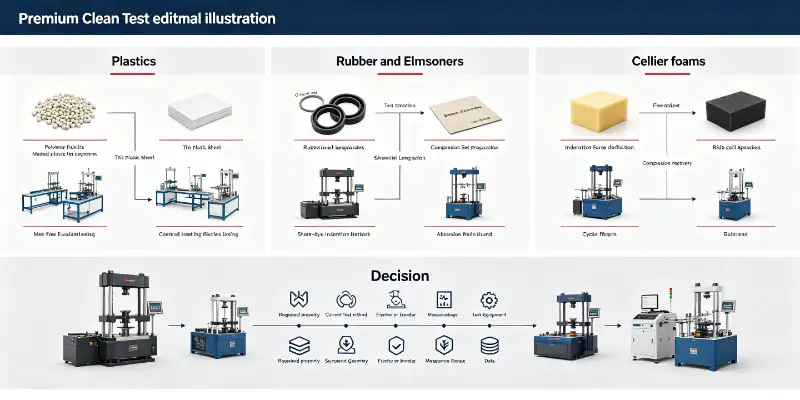
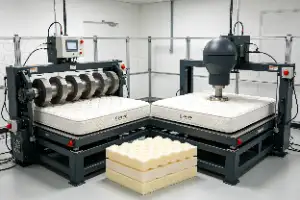
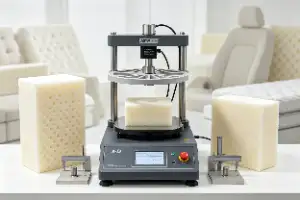
Standalone foam testers (dedicated IFD/ILD machines, fatigue rigs) are purpose-built for specific foam tests and offer excellent accuracy and convenience for routine quality control. UTMs offer broader versatility — they can test foam but also elastomers, plastics, textiles, metals, and composites — making them ideal for laboratories that test multiple material types. The choice depends on your test volume, material diversity, and budget.
Key Foam Testing Standards That Use UTMs
ASTM D1621 — Compressive Properties of Rigid Cellular Plastics
Measures compressive strength and modulus of rigid foam plastics (EPS, XPS, rigid PU foam) at a specified strain rate. Specimens are typically 50 x 50 x 25mm cubes or cylinders. The test continues until 10% strain or specimen failure — whichever comes first.
ASTM D3574 — Flexible Cellular Materials (Foam)
While ASTM D3574 Section C uses dedicated fatigue rigs, the standard's tensile strength (Section E) and tear resistance (Section F) tests require a UTM. Tensile strength measures the force per unit area required to break the foam; elongation measures how much the foam stretches before failure.
ISO 1926 — Flexible Cellular Polymeric Materials — Tensile Properties
The international equivalent of ASTM D3574 Section E. Specifies specimen geometry, gauge length, and testing speed for determining tensile strength and elongation at break for flexible foam materials. Widely used in European and Asian markets.
ISO 3386-1 — Compression Load-Deflection (CLD)
Measures Compression Load Deflection using a UTM or dedicated compression machine. Reports stress (in kPa) at 25% and 40% deflection — equivalent in principle to IFD/ILD but expressed in metric units and using a different specimen configuration.
UTM Components and Specifications
| Component | Specification Range | Recommendation for Foam Testing |
|---|---|---|
| Load Cell | 100N to 600kN | 2-10kN for flexible foam; 10-50kN for rigid foam compression |
| Frame Stiffness | Frame-dependent | High stiffness frames (> 100 kN/mm) for accurate modulus measurement |
| Crosshead Speed | 0.001-600 mm/min | Wide range required; precision control to +/- 1% |
| Test Area Clearance | Varies by model | Clearance must accommodate your largest specimen with compression platens |
| Position Accuracy | +/- 0.01-0.5mm | +/- 0.01mm preferred for precise modulus calculation |
| Data Acquisition | 10-1000 Hz | 100 Hz minimum for compression tests; 500 Hz for tensile/elongation |
Load Cell Selection for Foam Testing
Load cell selection is the most critical specification decision for a foam testing UTM. The general rule: select a load cell so that your expected peak test load falls between 20% and 80% of the load cell's rated capacity. Below 20%, load cell linearity errors increase; above 80%, you risk overloading and damaging the sensor.
A standard flexible PU foam with 150 kPa tensile strength tested on a dumbbell specimen with 25mm wide cross-section (625 mm²) will have a peak tensile load of approximately 93 N. A 250N load cell places this at 37% of capacity — within the ideal range. If testing higher-density foam or larger specimens, a 500N or 1kN load cell may be more appropriate.
- 100N-500N load cells: Ideal for flexible foam tensile testing (low-force materials)
- 1kN-5kN load cells: Suitable for flexible foam compression and moderate tensile testing
- 5kN-50kN load cells: Required for rigid foam compression (EPS, XPS, structural foam)
- Multi-axis load cells: Advanced units that can measure both normal and shear forces simultaneously
Step-by-Step: Conducting a UTM Compression Test (ASTM D1621)
Step 1: Specimen Preparation
Cut specimens to 50 x 50 x 25mm using a precision saw or hot-wire cutter. For rigid foam with facing sheets, sandwich the foam between the facings or test bare foam per the material specification. Measure dimensions to +/- 0.1mm using digital calipers. Condition at 23C, 50% RH for a minimum of 16 hours.
Step 2: Calibrate and Zero the System
Ensure the load cell is within its calibration period (typically 1 year). Zero the load cell with no load applied. Verify crosshead position accuracy by running a calibration cycle. Place the lower compression platen in position and ensure it is level and clean.
Step 3: Mount the Specimen
Carefully place the specimen centrally on the lower platen, ensuring it sits flat. Do not apply any pre-load — for foam compression tests, the test begins at zero load contact. Verify alignment using the machine's specimen centering guides or a spirit level.
Step 4: Set Test Parameters and Run
Set the crosshead speed to 2.5 mm/minute per ASTM D1621. Set the data acquisition rate to at least 50 Hz. Start the test. The UTM will compress the specimen at a constant rate until 10% strain is reached (or failure occurs for brittle rigid foams).
Step 5: Calculate Results
Record peak compressive stress (strength) and the stress at 10% strain (for modulus calculation). Calculate compressive modulus from the initial linear portion of the stress-strain curve (typically 0.5-2.5% strain region). Express results as the average of a minimum of 5 specimens.
Fixtures and Accessories for Foam UTM Testing
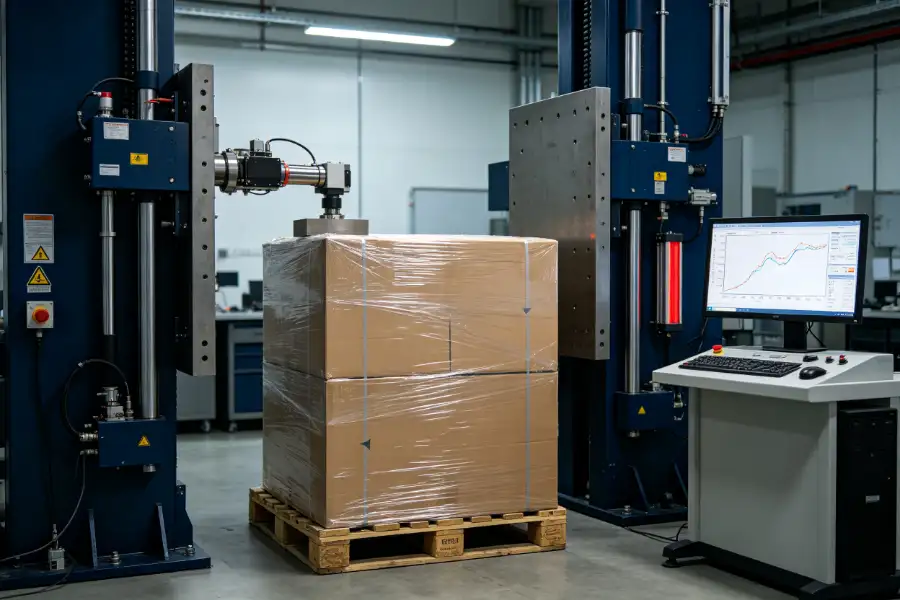
- Compression Platens: Flat, ground steel plates with minimum 25mm thickness to prevent deflection under load. For flexible foam, platens should be at least 50% larger than the specimen to ensure even load distribution. Self-aligning platens with spherical seat bearings compensate for minor specimen non-parallelism.
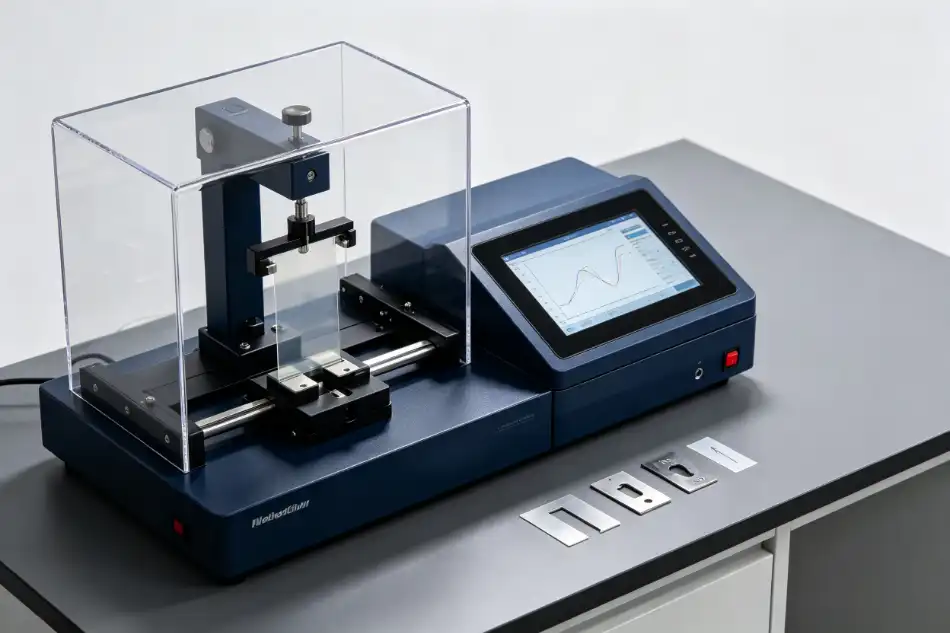
- Tensile Grips: Pneumatic or wedge-action grips with rubber or neoprene-faced jaws for flexible foam tensile testing. Pneumatic grips provide more consistent clamping force across multiple tests; wedge grips are simpler and work well for higher-durometer foams.
- Extensometers: Clip-on or non-contact extensometers measure actual specimen strain during testing. Essential for accurate modulus calculation. For foam compression, compression platens themselves act as the reference for crosshead position-based strain — dedicated extensometers are more important for tensile and flexural modulus measurements.
- Environmental Chamber: For testing foam at non-standard temperatures (e.g., -30C for cold storage insulation, +70C for automotive applications), an environmental chamber mounted on the UTM allows testing across the full temperature range specified in the material standard.
- Software and Data Analysis: Modern UTM systems include dedicated materials testing software that controls the test, acquires data, calculates results, and generates reports. Key software features: multi-peak detection for tensile testing, automated modulus calculation, statistical summaries, and database export.
UTM vs. Dedicated Foam Testers: Making the Right Choice
| Factor | Dedicated Foam Tester | Universal Testing Machine |
|---|---|---|
| Test versatility | Limited to foam-specific tests (IFD, fatigue) | Multiple material types and test types |
| Accuracy for foam tests | Very high (optimized for foam geometries) | High (with proper fixtures) |
| Throughput | High (automated, fast cycle times) | Moderate (setup time per test) |
| Cost | $8,000-$50,000 | $15,000-$80,000 |
| Ideal for | High-volume foam QC labs | Multi-material R&D labs |
Industry Applications
Rigid Foam Insulation
XPS and EPS foam boards tested per ASTM D1621 for compressive strength for structural insulation applications
Packaging Foam
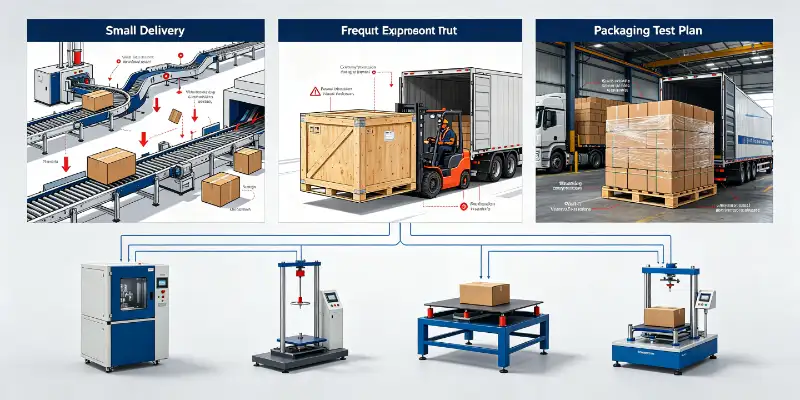
EPS, EPP, EPE foam tested for compressive properties, tensile strength, and modulus for packaging design
Automotive Components
Rigid and semi-rigid foam tested for structural properties in vehicle interior and NVH applications
Material Science R&D
New foam formulations tested for stress-strain relationships, modulus development, and failure characterization
Quality Assurance
Incoming material qualification and production batch testing for foam manufacturers and product companies
Academic Research
University and institute foam research programs requiring versatile materials testing across multiple standards
Frequently Asked Questions
What is the difference between compressive strength and compressive modulus?
Compressive strength is the maximum stress the foam can withstand before failure or a specified deformation (typically 10% for rigid foam). Compressive modulus is the stiffness of the foam — the ratio of stress to strain in the initial linear portion of the stress-strain curve. High modulus means the foam deflects less under a given load. Both values are important for structural and insulation applications; strength tells you the load limit, modulus tells you how much it will compress under working loads.
How does crosshead speed affect foam compression test results?
Foam materials are rate-dependent: faster compression speeds produce higher measured strength and modulus because the foam has less time to creep and stress-relax. ASTM D1621 specifies 2.5 mm/minute for rigid foam — always use the specified rate. For flexible foam tensile testing, ASTM D3574 specifies 500 mm/min. Running tests at non-standard speeds produces data that cannot be compared to specification limits or published material data sheets.
Can the same UTM be used for both flexible and rigid foam testing?
Yes, but you may need different load cells and fixtures. A UTM with a 10kN load cell and compression platens can test both flexible foam (IFD via crosshead position) and rigid foam (compressive strength). Adding pneumatic tensile grips and appropriate specimen jigs extends the capability to tensile testing of both foam types. The key requirement is that the load cell range suits the force levels for both materials.
What maintenance is required for a UTM used for foam testing?
Annual calibration by an ISO 17025 accredited laboratory is the minimum. Between calibrations, monthly checks of load cell zero drift, crosshead alignment, and platen flatness are recommended. Keep compression platens clean and free of debris — contamination can create point loads that affect results. Lubricate guide columns and lead screws per manufacturer recommendations. Document all maintenance activities in a machine log.
How many specimens are needed for UTM foam testing?
ASTM D1621 requires a minimum of 5 specimens for compressive strength reporting. ASTM D3574 tensile testing typically requires 5 specimens per test condition. For quality control testing, you may reduce to 3 specimens if your historical data demonstrates acceptable reproducibility. For certification or specification compliance testing, always use the full specimen count specified in the applicable standard.
Should I choose a electromechanical or hydraulic UTM for foam testing?
Electromechanical UTMs are preferred for foam testing in most applications. They offer excellent displacement control precision, lower maintenance requirements, cleaner operation (no hydraulic fluid), and are more than adequate for the force ranges typically required for foam (under 50kN). Hydraulic UTMs are used for high-force applications (over 50-100kN) or where very high test speeds are required — situations less common in foam testing.
Conclusion
Universal Testing Machines are the foundational equipment for measuring the mechanical properties of foam materials. Whether testing flexible foam for tensile strength per ASTM D3574, rigid foam for compressive properties per ASTM D1621, or Compression Load Deflection per ISO 3386, a properly configured UTM provides the precise force and displacement measurements that define foam performance.
Selecting the right UTM — with appropriate load cell capacity, crosshead speed control, fixture compatibility, and software features — is the most important equipment decision for any foam testing laboratory. For dedicated foam quality control labs, purpose-built foam testers may offer better value; for multi-material R&D or testing labs, a versatile UTM provides the flexibility to support a broader range of testing programs.
Need help selecting the right Universal Testing Machine for your foam testing application? Our technical team can provide guidance on load cell selection, fixture options, and system configuration based on your specific test standards and throughput requirements.
Related Testing Guides
Need help selecting UTM equipment for your foam testing program? Contact our technical team for personalized guidance.