
Manual vs Automatic Foam Testing: Which Is Right for You?
Date: May 13, 2026 Categories: Technical Guides & Blog Views: 8776
Excerpt:
Compare manual and automated foam testing methods to find the best solution for your lab.
Manual vs Automatic Foam Testing: Which Is Right for Your Lab?
Choosing the right foam testing methodology is a critical decision that impacts your laboratory's efficiency, data accuracy, and overall quality control capabilities. Whether you're testing polyurethane foam for furniture, automotive seating, or packaging applications, understanding the differences between manual and automatic testing methods will help you make an informed investment decision.
🎯 Key Takeaways
- Budget Under $10,000: Manual testing provides adequate quality control for small labs and low-volume testing needs
- High-Volume Operations: Automatic testing delivers 10x throughput with consistent, reproducible results
- Accuracy Requirements: Automated systems eliminate operator variability, crucial for R&D and certification testing
- Hybrid Approach: Many successful labs combine both methods—manual for quick checks, automatic for comprehensive analysis
- ROI Timeline: Automatic systems typically pay for themselves within 18-24 months for labs testing 50+ samples daily
Understanding Foam Testing Fundamentals
Before diving into the manual vs automatic debate, it's essential to understand what foam testing entails. Foam testing encompasses various mechanical property measurements, including compression testing, indentation force deflection (IFD), tensile strength, and tear resistance. These tests determine whether foam materials meet industry standards like ASTM D3574 for flexible cellular materials.
The testing method you choose affects not only your immediate costs but also your long-term data quality, laboratory productivity, and ability to meet customer certification requirements. Let's examine both approaches in detail.
What is Manual Foam Testing?
Manual foam testing involves operators using handheld or benchtop instruments to measure foam properties. Common manual equipment includes handheld durometers for hardness testing, manual indentation fixtures for IFD measurements, and basic compression testers with manual force application.
Advantages of Manual Testing
1. Lower Initial Investment
Manual testing equipment costs 50-70% less than automated systems. A complete manual setup—including a manual IFD tester ($3,000-5,000) and durometer set ($500-1,000)—typically runs $4,000-6,500 total. This makes manual testing accessible for startups, small laboratories, and businesses with limited capital budgets.
2. Simple Operation
Manual testers require minimal training. Most operators can learn basic testing procedures within a few hours, reducing onboarding time and training costs. The straightforward nature of manual equipment means less downtime due to technical issues or software glitches.
3. Portability and Flexibility
Many manual testing devices are portable, allowing quality control checks directly on the production floor. This flexibility enables real-time monitoring without transporting samples to a dedicated testing laboratory, saving time and reducing handling damage.
4. Immediate Feedback
Manual testing provides instant visual and tactile feedback. Experienced operators can quickly identify obvious defects or out-of-specification materials without waiting for automated analysis, enabling rapid production adjustments.
Disadvantages of Manual Testing
1. Operator Variability
The most significant limitation of manual testing is operator-dependent variability. Factors such as indentation speed, force application angle, and dwell time can vary between operators—and even for the same operator across different times of day. Studies show operator variability can introduce ±10-15% measurement error in manual IFD testing.
2. Time-Consuming Data Recording
Manual data entry is labor-intensive and prone to transcription errors. Each test requires the operator to read measurements, record values, and potentially calculate results. For high-volume operations, this manual data handling becomes a significant bottleneck.
3. Limited Statistical Analysis
Manual systems cannot easily track trends over time or perform complex statistical analysis. Without automated data logging, identifying gradual quality drift or correlating test results with production parameters becomes challenging.
4. Labor Intensity
Manual testing requires continuous operator attention. For labs processing dozens or hundreds of samples daily, the labor cost of manual testing can eventually exceed the cost of automated equipment.
What is Automatic Foam Testing?
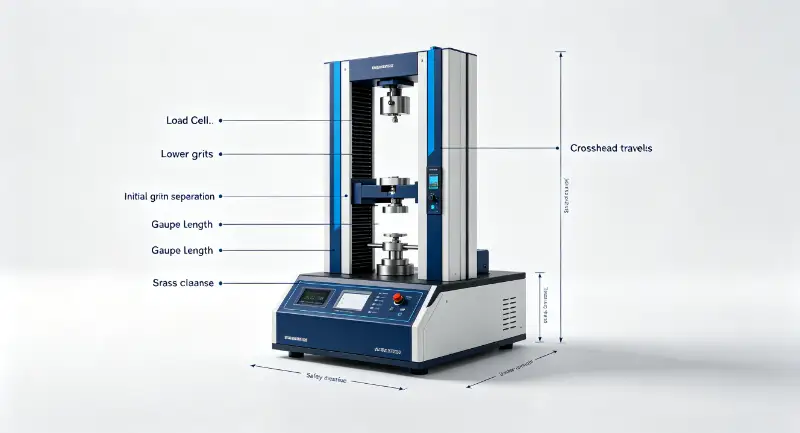
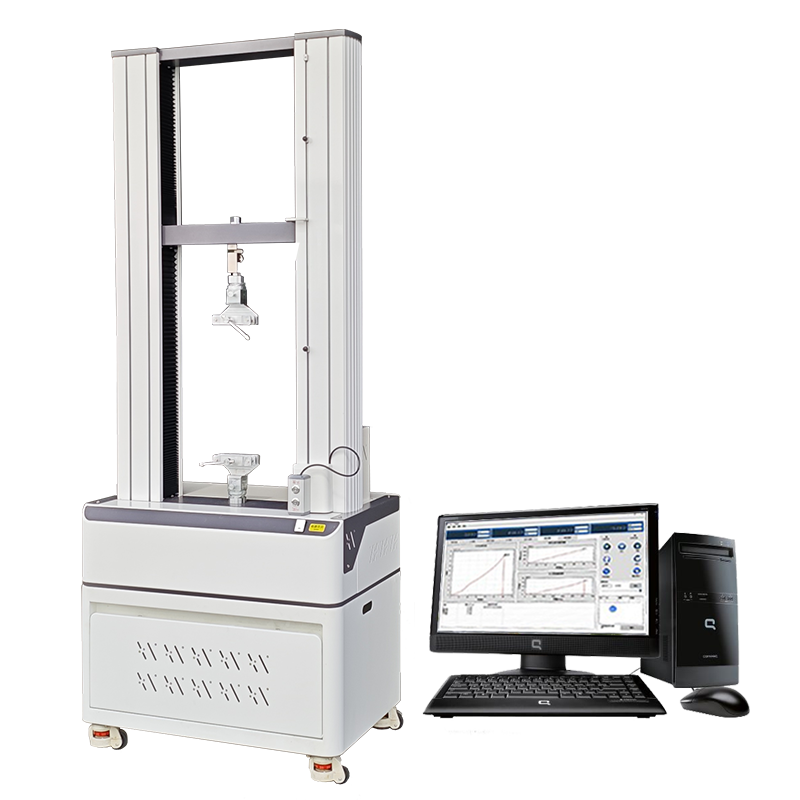
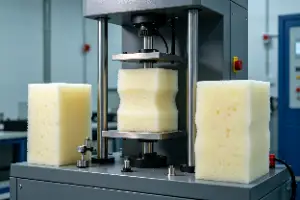
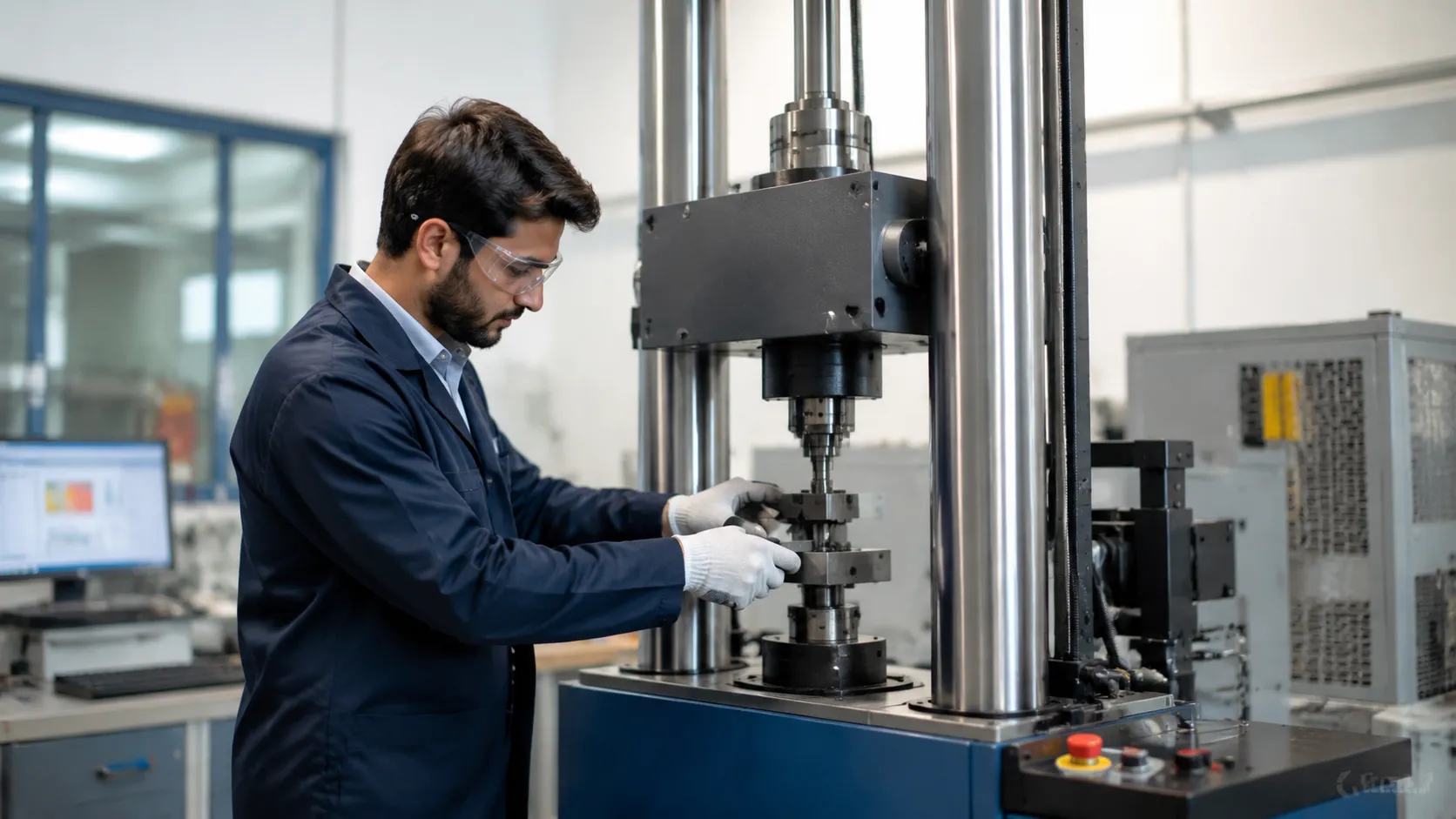
Automatic foam testing utilizes computer-controlled universal testing machines (UTMs) with specialized fixtures and software to perform standardized tests without operator intervention. These systems can perform IFD testing, compression tests, and tensile tests according to ASTM D3574 and other industry standards with precise, repeatable control of test parameters.
Advantages of Automatic Testing
1. Exceptional Consistency
Automatic testing eliminates operator variability entirely. The machine controls indentation speed, force application, and dwell time with precision measured in milliseconds and grams. This consistency is essential for R&D applications, certification testing, and any situation requiring defensible, reproducible results.
2. High Throughput Capability
Automated systems can operate 24/7 with minimal supervision. A single automated UTM can process 50-200 tests per hour, depending on test complexity—10x the throughput of manual testing. For high-volume quality control labs, this efficiency justifies the higher equipment cost.
3. Comprehensive Data Analysis
Modern automated systems include powerful software for statistical analysis, trend tracking, and automated reporting. Features like SPC (Statistical Process Control) charts, automated pass/fail determination, and correlation analysis provide insights impossible to achieve with manual testing.
4. Automatic Documentation
Automated systems generate detailed test reports with traceability to specific samples, operators, and test conditions. This documentation is invaluable for quality audits, customer certifications, and regulatory compliance.
5. Multi-Test Capability
Advanced automated systems can perform multiple test types on the same sample without repositioning. A single foam specimen can be tested for IFD, compression set, and tensile properties in one continuous operation, maximizing sample information while minimizing handling.
Disadvantages of Automatic Testing
1. High Capital Investment
Automatic testing systems represent a significant capital expenditure. Entry-level automated UTMs suitable for foam testing start around $80,000, with high-end systems exceeding $200,000. Additional costs include software licenses ($5,000-15,000), installation, training, and annual maintenance contracts ($8,000-20,000).
2. Technical Complexity
Automated systems require trained technicians for operation, calibration, and troubleshooting. Labs must invest in staff training or hire personnel with experience in materials testing equipment. Software updates and system maintenance require ongoing technical support.
3. Maintenance Requirements
Automatic testing machines require regular calibration, software updates, and preventive maintenance to ensure accuracy. Load cells must be calibrated annually, and software licenses often require annual renewal. These ongoing costs must be factored into the total cost of ownership.
4. Less Tactile Feedback
Unlike manual testing, where operators can feel subtle material characteristics, automated systems provide only numerical data. Some experienced quality professionals value the tactile feedback of manual testing for identifying subtle material variations.
Detailed Cost Comparison
Understanding the total cost of ownership is crucial for making the right investment decision. Here's a comprehensive breakdown of costs for both approaches:
| Cost Factor | Manual Testing | Automatic Testing |
|---|---|---|
| Initial Equipment | $3,000 - $6,500 | $80,000 - $200,000 |
| Software License | N/A (or basic $500) | $5,000 - $15,000 |
| Installation & Training | $500 - $1,000 | $5,000 - $10,000 |
| Annual Maintenance | $200 - $500 | $8,000 - $20,000 |
| Operator Labor (Year 1) | $15,000 - $30,000 | $5,000 - $10,000 |
| Calibration Costs | $300 - $600/year | $2,000 - $5,000/year |
| Total Year 1 Cost | $19,000 - $38,600 | $105,000 - $260,000 |
| Total 5-Year Cost | $75,000 - $150,000 | $145,000 - $350,000 |
Decision Matrix: Which Method Fits Your Needs?
Use this decision matrix to determine the best testing approach for your specific situation:
| Decision Factor | Choose Manual If... | Choose Automatic If... |
|---|---|---|
| Budget Constraint | Capital budget under $10,000 | Budget exceeds $100,000 |
| Testing Volume | Fewer than 20 samples/day | More than 50 samples/day |
| Accuracy Requirements | General QC, ±10% tolerance acceptable | R&D, certification, ±1% precision required |
| Data Needs | Basic pass/fail determination | Statistical analysis, trend tracking |
| Operator Availability | Staff available for manual testing | Limited staff, need 24/7 operation |
| Application Type | Spot checks, incoming inspection | Final product certification, R&D |
| Industry Requirements | Internal quality standards | OEM specifications, regulatory compliance |
Industry-Specific Recommendations
Different industries have unique testing requirements that influence the manual vs automatic decision:
Recommendation: Hybrid approach. Manual testing for incoming foam inspection; automatic for final product certification. Learn more about furniture foam testing standards.
Recommendation: Automatic testing required. OEM specifications demand precise, repeatable results with full documentation. Read our automotive foam testing guide.
Recommendation: Manual testing sufficient. Lower precision requirements and cost-sensitive environment favor manual methods for most applications.
Recommendation: Automatic testing essential. Precise control of test parameters and comprehensive data analysis are critical for research applications.
Recommendation: Hybrid approach. Manual for production line spot checks; automatic for quality certification and customer reports.
Recommendation: Automatic testing mandatory. Stringent documentation and traceability requirements necessitate automated systems.
The Hybrid Approach: Best of Both Worlds
Many successful laboratories don't choose between manual and automatic—they implement both. This hybrid approach maximizes efficiency while controlling costs:
Typical Hybrid Workflow
- Incoming Inspection (Manual): Quick visual and hardness checks on raw materials using handheld durometers
- Production Monitoring (Manual): Spot checks during manufacturing to catch issues early
- Final Certification (Automatic): Comprehensive testing with full documentation for customer shipments
- R&D Testing (Automatic): Precise characterization of new formulations and materials
Implementation Roadmap
Phase 1: Assessment (Weeks 1-2)
- Document current testing volume and frequency
- Identify accuracy requirements for each application
- Calculate total cost of current testing (labor + equipment)
- Define data and reporting requirements
Phase 2: Equipment Selection (Weeks 3-6)
- Research equipment options within your budget
- Request demonstrations from multiple vendors
- Evaluate software capabilities and ease of use
- Check vendor support and training availability
Phase 3: Implementation (Weeks 7-12)
- Install equipment and complete initial calibration
- Train operators on proper procedures
- Establish testing protocols and documentation
- Validate results against known standards
Phase 4: Optimization (Ongoing)
- Monitor testing efficiency and accuracy
- Gather operator feedback for improvements
- Regular calibration and maintenance
- Continuous training for new staff
Frequently Asked Questions
Conclusion
The choice between manual and automatic foam testing ultimately depends on your specific requirements, budget, and testing volume. For small laboratories with limited budgets and lower testing volumes, manual testing provides adequate quality control at an accessible price point. The flexibility and portability of manual equipment make it ideal for spot checks, incoming inspection, and production floor monitoring.
For larger operations, research facilities, and applications requiring precise, reproducible results, automatic testing delivers the consistency, throughput, and data capabilities necessary for modern quality control. While the initial investment is significant, the long-term benefits of reduced labor costs, improved accuracy, and comprehensive data analysis often justify the expense.
Remember that many successful laboratories employ a hybrid approach, using manual testing for quick checks and routine quality monitoring while reserving automatic testing for high-precision applications, final certification, and research activities. This strategy maximizes efficiency while controlling costs.
Regardless of which approach you choose, investing in proper training, regular calibration, and well-defined testing procedures will ensure you get the most value from your foam testing program. For personalized guidance on selecting the right testing solution for your laboratory, consult with our technical team.
Need Help Choosing the Right Foam Testing Solution?
Our technical specialists can assess your specific requirements and recommend the optimal testing approach for your laboratory.
Related Resources
- Complete Guide to ASTM D3574 Foam Testing Standards
- How to Choose the Right Foam Testing Equipment for Your Lab
- Foam Compression Testing: Methods, Equipment, and Applications
- Understanding Foam IFD (Indentation Force Deflection) Testing
- Furniture Foam Testing: ASTM D3574 Guide
- Automotive Foam Testing: OEM Standards and Quality Control