

What Is Foam Compression Set? Understanding Permanent Deformation

Date: May 12, 2026 Categories: Blog Views: 2089

Excerpt:

Learn what compression set means for foam products and how it affects performance and longevity.

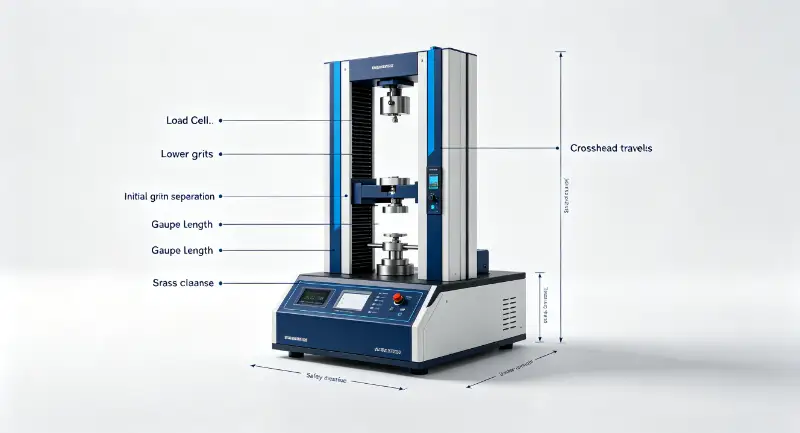
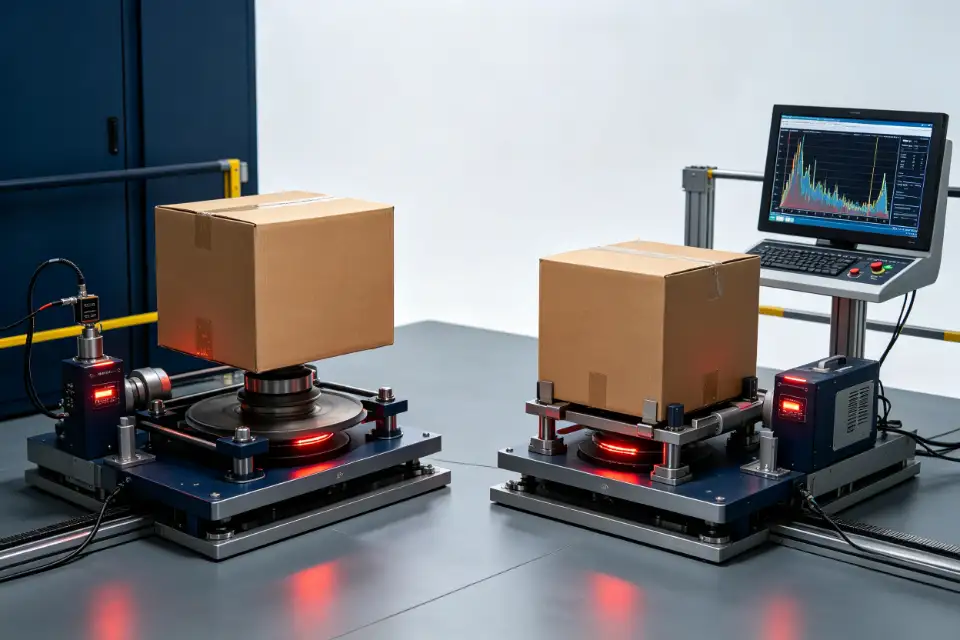
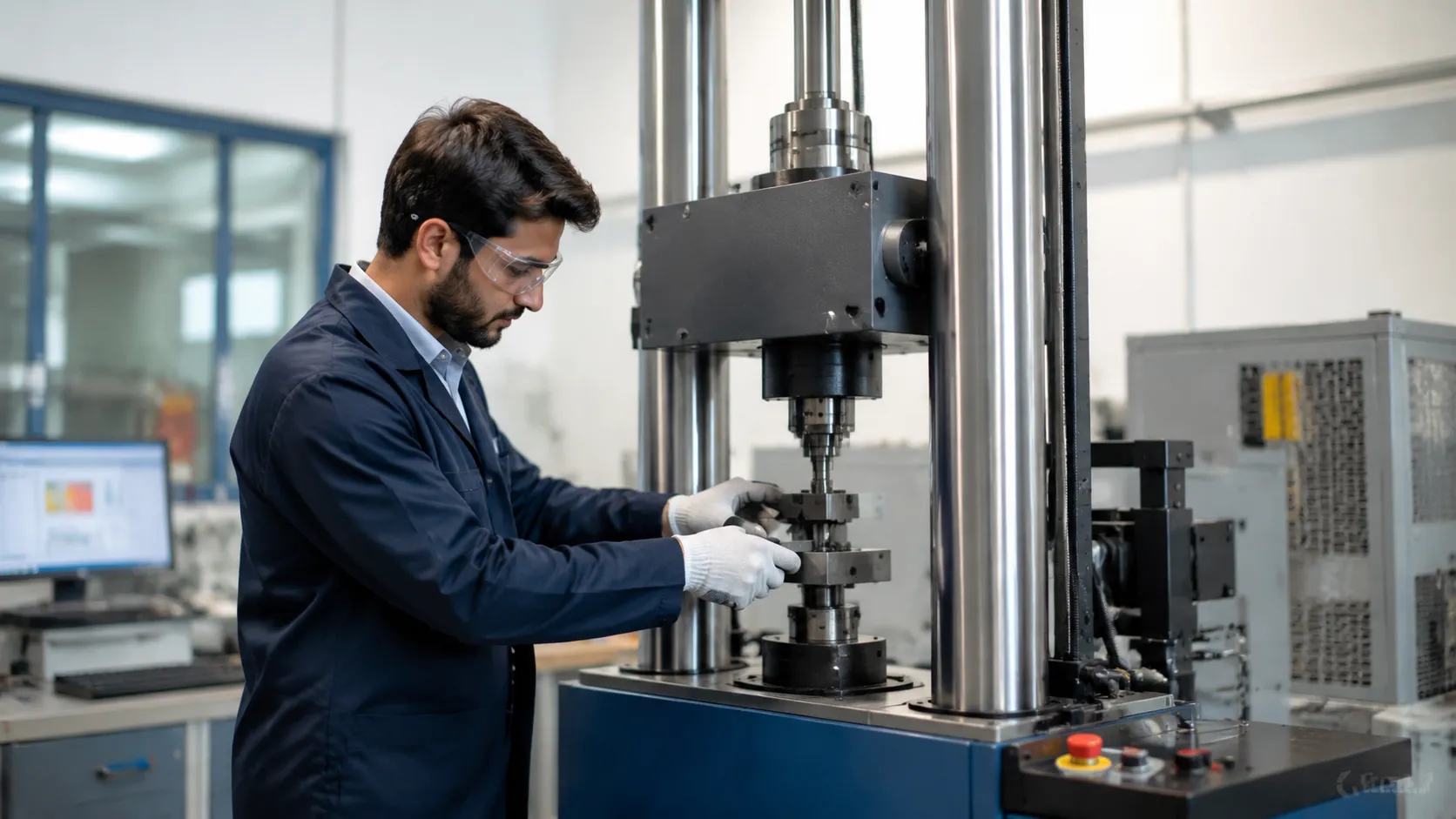
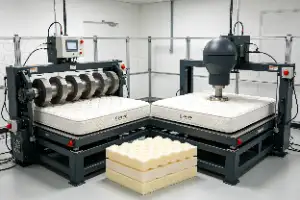
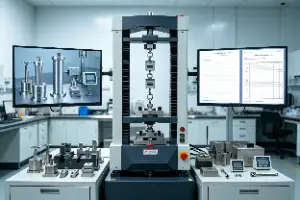
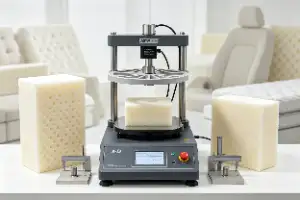
Foam Compression Set Testing Equipment
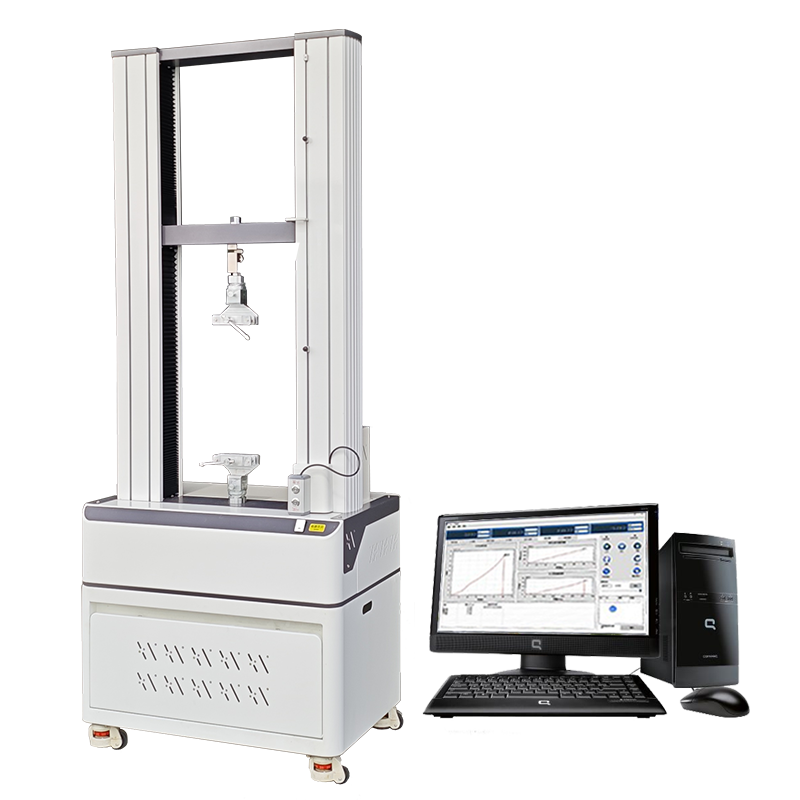
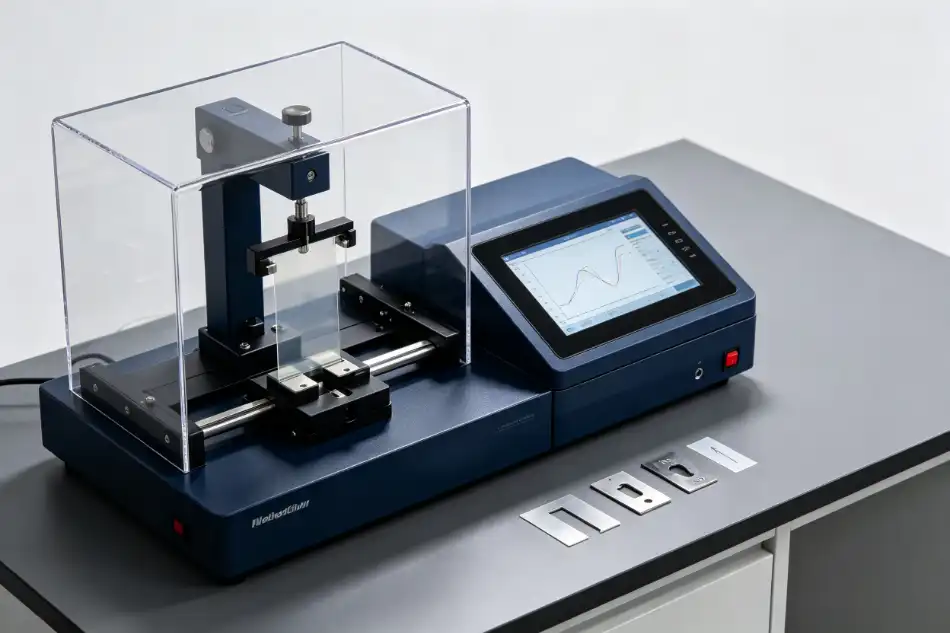
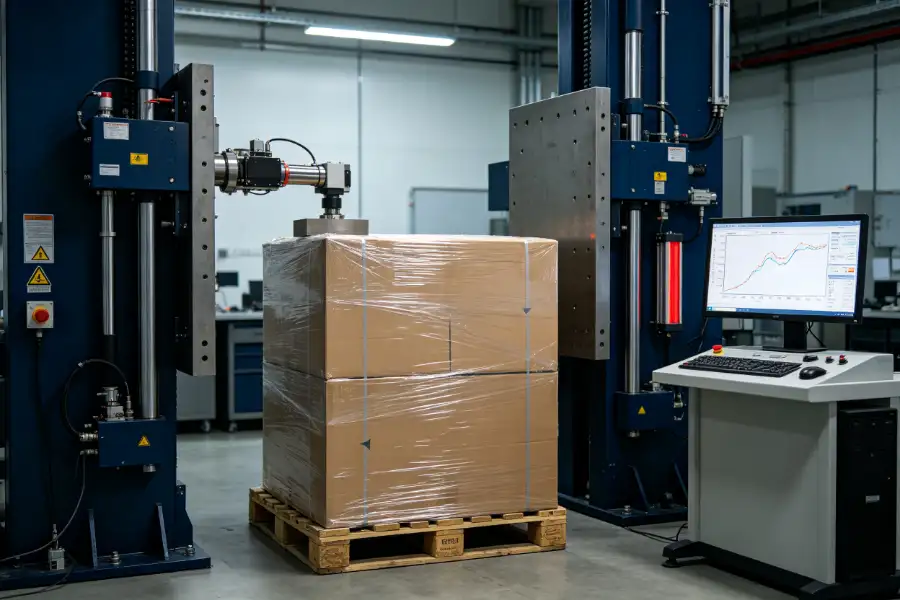
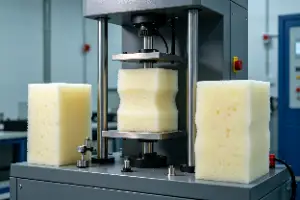
Foam Compression Set Testing — Measuring permanent deformation after sustained compression
Key Takeaways
  • Compression set measures the percentage of permanent thickness loss after foam is compressed and released — lower values indicate better foam recovery
  • ASTM D3574 Test D is the primary standard for measuring compression set in polyurethane foam under controlled temperature and deflection conditions
  • Typical acceptable compression set for quality foam is ≤10% at 50% deflection, 70°C, 22 hours; premium grades target ≤5%
  • Material formulation (density, crosslink density, cell structure) and processing conditions (cure completeness, mixing quality) are the two dominant factors affecting compression set performance
  • Foam with high compression set causes mattress sagging, seat bottoming-out, gasket seal failure, and packaging protection degradation over time

What Is Foam Compression Set?

Foam compression set is one of the most practically significant durability parameters in foam materials science. It quantifies the degree to which foam permanently loses thickness — and therefore loft, support, and cushioning performance — after being compressed for an extended period and then released. Unlike elastic deformation, which recovers instantly when load is removed, compression set represents irreversible plastic deformation that accumulates over the foam's service life.

In industry terminology, compression set is expressed as a percentage. A foam specimen with a compression set of 5% means that after a standardized compression cycle, the foam permanently retains 5% less thickness than its original dimension. A foam with 20% compression set has lost one-fifth of its original thickness permanently. For applications where consistent thickness is critical — mattresses, seat cushions, gaskets, protective packaging — even a few percentage points of compression set can determine whether a product meets or fails its design life requirements.

The underlying mechanism involves two primary degradation processes occurring simultaneously during compression:

  • Cell wall buckling: When foam is compressed, the thin polymer walls between cells bend and eventually collapse. In some cases, these cell walls fracture permanently, preventing recovery when the load is removed.
  • Creep and stress relaxation: The polymer chains in foam cell struts gradually reorganize under sustained load. Over time, this molecular-level creep reduces the foam's ability to spring back to its original configuration.

Both processes are accelerated by elevated temperature, which is why standard compression set tests include a high-temperature conditioning phase. Heat softens the polymer, making cell walls more susceptible to permanent deformation. This thermal acceleration allows manufacturers to predict years of real-world service life from a 22-hour accelerated test.

The Compression Set Formula and Calculation

Compression set is calculated using a straightforward formula defined in both ASTM D3574 and ISO 1856:

Compression Set (%) = (t₀ - tᵣ) / t₀ × 100

Where:

  • t₀ = Original specimen thickness before compression (mm)
  • tᵣ = Residual thickness after recovery period (mm)

For example, if original thickness is 50.0 mm and residual thickness after testing is 45.0 mm:

Compression Set = (50.0 - 45.0) / 50.0 × 100 = 10.0%

Lower compression set values represent better foam recovery. Premium foam grades target compression set values below 5%, while standard industrial foam typically allows up to 10%.

Industry Standards for Compression Set Testing

Multiple internationally recognized standards govern compression set testing, each with slightly different test conditions and acceptance criteria. Understanding which standard applies to your product is essential for setting appropriate quality thresholds.

ASTM D3574 — Standard Test Methods for Flexible Cellular Materials

ASTM D3574 is the most widely used standard in North America for polyurethane foam testing. Test Method D within the standard specifically addresses compression set determination. The standard defines two compression set methods:

  • Compression Set A (Constant Deflection): Specimens are compressed to 50% of their original thickness and held for 22 hours at 70°C. This is the most commonly referenced method.
  • Compression Set B (Constant Load): A specified load is applied for 22 hours at 70°C. Less commonly used but provides additional data for high-load applications.

After the compression period, specimens are released and allowed to recover for 30-40 minutes at standard laboratory conditions (23°C, 50% RH) before final thickness measurement. The 30-40 minute recovery period allows elastic recovery to complete, leaving only the permanent (plastic) deformation to be measured.

ISO 1856 — Flexible Polymeric Cellular Inorganic Field Materials

The international counterpart to ASTM D3574, ISO 1856 defines analogous compression set test methods with similar temperature and deflection conditions. Many global manufacturers maintain compliance with both standards to serve multiple markets.

CertiPUR-US and Other Voluntary Certifications

Voluntary certification programs such as CertiPUR-US impose compression set requirements beyond the regulatory minimum. CertiPUR-US certified foam must meet compression set ≤15% at 75% deflection, 90°C, 22 hours — a more demanding test than most regulatory standards require.

Comparison of Major Standards

Standard Deflection Temp Duration Typical Max
ASTM D3574 Test D (A) 50% 70°C 22 hours ≤10%
ASTM D3574 Test D (B) 50% 70°C 22 hours ≤10%
ISO 1856 Method A 50% 70°C 22 hours ≤10%
CertiPUR-US 75% 90°C 22 hours ≤15%
High-Performance Grade 50% 70°C 22 hours ≤5%

ASTM D3574 Test D — Step-by-Step Procedure

The following procedure outlines the complete compression set testing workflow according to ASTM D3574 Test Method A (Constant Deflection), the most commonly referenced test for foam quality control.

Step 1: Specimen Preparation

Three square specimens are required for each test. Each specimen must be:

  • 50 mm × 50 mm in area
  • 25 mm thick (for foam between 12.5 mm and 50 mm nominal thickness; adjust per standard for other ranges)
  • Cut using a bandsaw or die cutter with sharp blades to avoid cell crushing at the cut edges
  • Free of surface defects, skin, or contamination

After cutting, specimens are conditioned at standard laboratory conditions (23°C ± 2°C, 50% ± 5% RH) for a minimum of 16 hours. This ensures all specimens start at the same thermal and moisture equilibrium before testing begins.

Step 2: Initial Thickness Measurement

Measure the original thickness of each specimen using a dial gauge or electronic thickness meter with a 30 mm diameter presser foot and 135 ± 7.5 g applied force (as specified in ASTM D3574 Section 8). Take three measurements per specimen — one at center and one near each edge — and calculate the arithmetic mean as t₀.

Record all measurements to the nearest 0.1 mm. Consistent measurement technique is critical — variation in presser foot force or angle introduces measurement error that directly affects the compression set result.

Step 3: Compression to 50% Deflection

Place each specimen between two flat metal plates. The compression plates must be parallel to within 0.05 mm across their working surface to ensure uniform compression across the entire specimen face. Using a compression testing machine or calibrated platen press, compress each specimen to exactly 50% of its original thickness (t₀ × 0.50).

For a 25 mm thick specimen, target compression thickness = 12.5 mm.

Lock the platens in position using the compression jig's locking mechanism, then transfer the entire assembly to the environmental chamber preheated to 70°C ± 1°C.

Step 4: Elevated Temperature Aging (22 Hours)

Hold the compressed specimens at 70°C ± 1°C for 22 hours in the calibrated environmental chamber. The chamber must maintain temperature uniformity within ±1°C throughout the specimen zone. Temperature variations during the test directly affect the compression set result — chambers with poor temperature uniformity produce unreliable data.

The 70°C temperature accelerates the creep and cell wall degradation processes that occur at ambient temperature, compressing years of real-world aging into a 22-hour test cycle.

Step 5: Release and Recovery (30-40 Minutes)

After 22 hours, remove the compression jig from the chamber and immediately release the platens. Transfer specimens to the standard laboratory environment (23°C, 50% RH) and allow them to recover for 30-40 minutes at room temperature.

The 30-40 minute recovery period is critical. Foam exhibits both elastic recovery (immediate spring-back) and delayed elastic recovery (gradual spring-back over time). By waiting 30-40 minutes, the test captures only the permanent (irreversible) deformation component, which is what compression set is designed to measure.

Step 6: Final Thickness Measurement and Calculation

After the recovery period, measure each specimen's residual thickness (tᵣ) using the same dial gauge and technique as Step 2. Calculate compression set for each specimen and report the mean value to the nearest 0.1%:

Calculation Note: Calculate compression set to 0.1% precision and round the final mean to the nearest 0.1%. Individual specimen values should be reported alongside the mean.

Factors That Affect Compression Set Results

Compression set performance is influenced by a combination of foam formulation factors and manufacturing process variables. Understanding these factors is essential for developing foam grades with consistently low compression set.

Material Formulation Factors

Factor Effect on Compression Set Mechanism
Higher Foam Density Significantly improves resistance More polymer per unit volume = thicker cell struts = stronger cell walls
Higher Crosslink Density Improves resistance Crosslinks prevent polymer chain slippage and permanent reorganization
Open vs. Closed Cell Structure Open cells improve recovery Open cells allow air to escape and re-enter freely, reducing pressure buildup
High-Zero Content (Index) Optimized index (105-110%) is best Too low = undercure (high set); too high = brittleness (cell wall fracture)
Antioxidant Additives Significantly improves resistance Prevents thermal-oxidative degradation during high-temperature aging

Manufacturing Process Factors

  • Incomplete cure reaction: If the foam is demolded before the isocyanate-polyol reaction fully completes, the polymer matrix remains partially uncrosslinked, leading to excessive compression set. Adequate cure time (typically 24-48 hours at room temperature or accelerated at elevated temperature) is essential.
  • Poor cell uniformity: Voids, collapsed cells, or irregular cell size distribution create weak zones that fail prematurely under sustained compression. Quality mixheads and precise processing controls produce consistent cell structure.
  • Mixing quality: Inadequate mixing of polyol, isocyanate, catalyst, and surfactant creates local variations in formulation, resulting in inconsistent compression set across the foam bun or slab.
  • Temperature during production: Reaction temperature affects cell structure and crosslink density. Controlled rise profiles with appropriate peak temperatures produce more uniform, durable foam.

Industry Applications Where Compression Set Matters

Compression set performance is a critical design parameter across virtually every foam application. The consequences of high compression set vary by application but consistently result in product failure, customer dissatisfaction, and warranty claims.

Furniture and Bedding

In the furniture and bedding industry, compression set testing plays a direct role in predicting mattress and cushion longevity. Our Furniture Foam Testing: Ensuring Comfort and Durab article covers this in depth Premium mattress manufacturers set compression set limits of 5% or less to ensure their products maintain loft and support throughout a 10-year service life. Furniture foam that fails compression set criteria typically exhibits visible thinning, loss of support, and customer complaints within 2-3 years of use.

Automotive Interiors

The automotive industry demands exceptional long-term performance from foam components, as car interiors must maintain their original feel throughout a 15-year service life. Learn more in our Automotive Foam Testing: Safety, Performance, and guide Automotive foam must pass FMVSS 302 flammability testing while simultaneously meeting stringent compression set requirements. Seat foam with excessive compression set leads to bottoming-out, reduced occupant comfort, and increased fatigue on long drives.

Protective Packaging

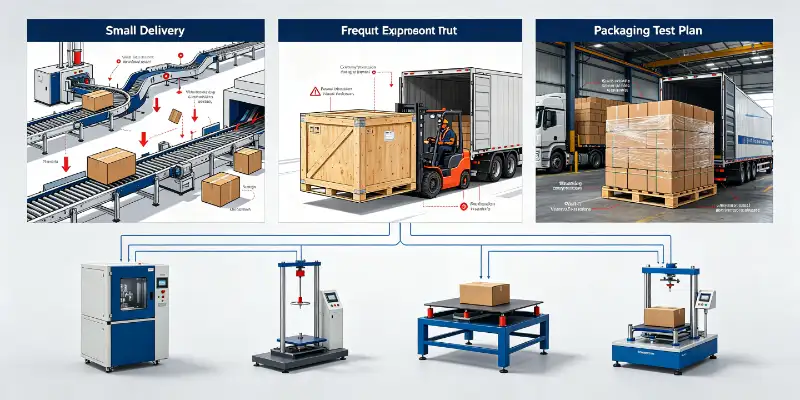
Packaging engineers rely on compression set data to predict foam cushioning performance after prolonged storage or stacking. Our Packaging Foam Testing: Protecting Products Throug article covers this in depth Foams used in protective packaging must resist compression set during storage, shipping, and warehousing conditions. High compression set in packaging foam results in reduced thickness, diminished shock absorption, and potential product damage during transit.

Sealing and Gasket Applications

Closed-cell foam gaskets and seals depend on maintaining their original shape to create and maintain a compression seal against environmental ingress. Even 5-10% compression set in a gasket foam can create gaps sufficient to compromise sealing performance, leading to water ingress, dust penetration, or air leakage in enclosures, HVAC systems, or electronic enclosures.

Gasket foam formulations are typically optimized for very low compression set through high crosslink density, closed-cell structure, and antioxidant package. Testing at multiple deflection levels (not just the standard 50%) is often necessary to characterize gasket performance across the actual assembly compression range.

Medical and Healthcare

Hospital mattresses, wheelchair cushions, and prosthetic padding all depend on long-term foam performance. In medical applications, foam failure — including compression set-related thinning — can result in pressure ulcers (bedsores), patient discomfort, and clinical complications. Medical foam typically requires compression set testing at elevated temperature for extended durations (72-168 hours) to simulate multi-year service life more accurately.

How to Improve Foam Compression Set Performance

Reducing compression set requires a systematic approach addressing both formulation design and manufacturing quality. The following strategies have proven effective across multiple foam applications:

Formulation Optimization

  • Select high-performance polyols: Use polyols with higher molecular weight and functionality (hydroxyl number) to increase crosslink density without making the foam brittle. EOD-1001-type chain extenders and crosslinkers are particularly effective for improving compression set in high-resilience (HR) foam.
  • Optimize isocyanate index: Target 105-110% index for most flexible foam applications. Below 100% index leads to undercure and high compression set; above 115% produces brittle foam susceptible to cell wall fracture during compression.
  • Add antioxidant stabilizers: Hindered amine light stabilizers (HALS) and phenolic antioxidants significantly improve high-temperature compression set by preventing thermal-oxidative chain scission in the polymer.
  • Incorporate high-resilience (HR) additives: Specialized HR foam additives improve the foam's ability to recover after deflection by promoting a more open, interconnected cell structure.
  • Balance open and closed cell content: Some open-cell content (30-50%) is beneficial for compression set recovery, as it allows air to move freely during compression and release. Too much open cell (above 70%) can compromise other properties like tensile strength.

Process Control Improvements

  • Extend post-cure time: Allow foam to fully cure before cutting and testing. A minimum 24-hour post-cure at room temperature or 4-6 hours at 100-120°C ensures complete crosslinking throughout the foam bun.
  • Improve mixing precision: Modern high-pressure mixheads with precise ratio control (±1% accuracy) produce more consistent foam than older low-pressure mixing systems. Regular maintenance of mixhead components — including tungsten carbide mixing elements — is essential.
  • Control production temperature: Maintain consistent chemical temperatures (polyol, isocyanate, catalyst) within ±1°C throughout production. Temperature variation directly affects reaction kinetics and final foam properties.
  • Implement statistical process control (SPC): Track compression set results using control charts. Setting warning limits at ±2 standard deviations and action limits at ±3 standard deviations from the mean helps detect process drift before it produces out-of-spec product.

Typical Compression Set Values by Application

Application Density (kg/m³) Compression Set (max) Standard Notes
Standard Furniture 16-25 ≤10% ASTM D3574 Typical base-grade cushioning foam
Premium Mattress 28-40 ≤5% ASTM D3574 High-resilience (HR) foam, memory foam
Automotive Seating 32-45 ≤8% OEM Specifications OEM-specific requirements often stricter than ASTM
CertiPUR-US Certified Varies ≤15% (at 75%/90°C) CertiPUR-US More severe test conditions than ASTM D3574
Packaging Foam 15-30 ≤15% ASTM D3574 / ISO 1856 EPP, EPE, and polyurethane foam cushioning
Foam Gaskets 60-200 ≤5% Industry / OEM Closed-cell EPDM, EPE, PU gasket foam
Medical/Healthcare 40-80 ≤5% ASTM D3574 / FDA Hospital mattress, wheelchair cushion, prosthetic padding

Compression Set vs. Other Durability Tests

Compression set testing is one of several durability characterization methods used in foam quality control. Each test provides complementary information about foam long-term performance:

Test What It Measures Standard Duration
Compression Set Permanent thickness loss after sustained compression ASTM D3574 Test D, ISO 1856 22 hours + 30 min recovery
Fatigue (CLD Loss) Loss of IFD/load-bearing after repeated compression cycles ASTM D3574 Test E/F, ISO 3385 8-75 hours (60,000-80,000 cycles)
IFD (Indentation Force Deflection) Firmness/load at 25%, 40%, 65% deflection — static measure ASTM D3574 Test B, ISO 2439 5-10 minutes per specimen
Cell Structure Analysis Open vs. closed cell content, cell count, cell uniformity ASTM D2856, ISO 4590 30-60 minutes

For a complete understanding of foam cell structure and how it relates to compression set performance, Our Foam Density and Cell Structure Analysis: Complete article covers this in depth.

Frequently Asked Questions

What is an acceptable compression set value for quality foam?

For most flexible polyurethane foam applications, a compression set of ≤10% at 50% deflection, 70°C, 22 hours (ASTM D3574 Test D) is considered acceptable. Premium foam grades (mattresses, high-end seating) typically target ≤5%. Packaging applications may allow up to 15% depending on service conditions. Always reference your specific product specification or industry standard.

Can compression set be reversed or reduced after the foam is manufactured?

No — compression set is permanent plastic deformation of the foam cell structure. Once the polymer chains have reorganized and cell walls have buckled, the process cannot be reversed. This is why compression set testing is performed on new, unused foam as a predictive quality indicator, not as a repair method.

What is the difference between compression set and fatigue testing?

Compression set measures the permanent thickness loss after a single sustained compression event — it simulates a foam product that is permanently loaded (like a permanently compressed gasket or stored cushion). Fatigue testing (ASTM D3574 Test E/F) measures the change in IFD/firmness after many repeated compression cycles — it simulates the repeated use of seating or mattress foam over thousands of sit cycles. Both tests are important but characterize different failure modes.

Why is compression set testing done at elevated temperature (70°C)?

The 70°C temperature accelerates the thermal degradation processes that occur at room temperature over months or years of service. This time-temperature superposition principle allows manufacturers to predict years of real-world aging from a 22-hour accelerated test. The Arrhenius relationship between temperature and reaction rate means that 22 hours at 70°C roughly simulates 1-3 years of service at room temperature, depending on the foam formulation.

Why do higher-density foams generally have better compression set resistance?

Higher foam density means more polymer material per unit volume. This translates directly to thicker cell struts and walls — the structural elements that resist buckling and permanent deformation under load. In lower-density foam, the thinner cell walls are more susceptible to plastic buckling under sustained compression, leading to higher compression set values.

What equipment is needed for compression set testing?

The minimum equipment required includes: (1) a compression testing machine or calibrated platen press capable of holding 50% deflection at 70°C for 22 hours, (2) calibrated compression jigs to maintain deflection during thermal aging, (3) an environmental chamber capable of maintaining 70°C ± 1°C with good temperature uniformity, (4) a dial gauge or electronic thickness meter with 30 mm presser foot for measuring specimen thickness. Derui Equipment offers integrated compression set testers that combine these functions in a single instrument.

Conclusion

Foam compression set testing is a fundamental durability characterization method that predicts the long-term service performance of foam materials across virtually every application — from mattresses and car seats to protective packaging and industrial gaskets. By measuring the permanent thickness loss after sustained compression under elevated temperature conditions, manufacturers can identify foam grades that will maintain their performance throughout the intended service life.

The ASTM D3574 Test D procedure provides a standardized, reproducible method for quantifying compression set that is accepted worldwide. By following the precise specimen preparation, conditioning, compression, and measurement protocols defined in the standard, laboratories can generate compression set data with confidence — data that directly supports material qualification decisions, quality control pass/fail determinations, and product design specifications.

Understanding the material formulation factors and manufacturing process variables that influence compression set empowers foam producers to optimize their products for specific applications. Whether targeting premium mattress comfort (≤5% compression set), automotive durability (≤8%), or cost-optimized packaging (≤15%), compression set testing provides the quantitative foundation for informed material selection and quality assurance decisions.

Need Equipment for Compression Set Testing?

Derui Equipment specializes in precision compression set testers and universal testing machines for foam quality control. From benchtop units for small labs to production-floor systems, we provide the testing solutions your quality program requires.

Request a Quote →

FacebookLinkedInXRedditWhatsApp