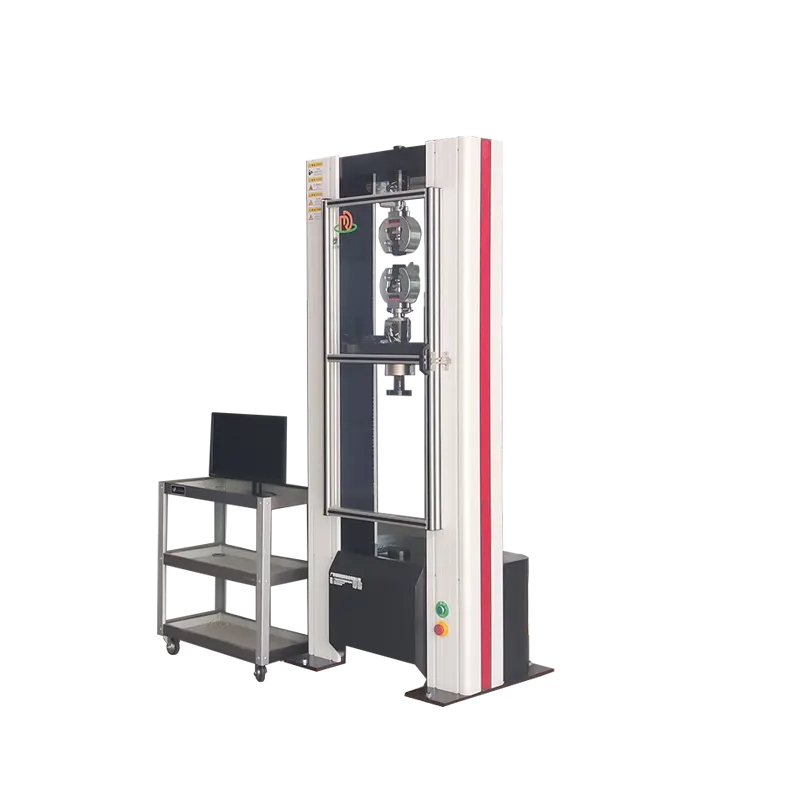
Do you provide fixtures for odd-shaped or large products?
Yes. A key part of our ISTA test equipment solution includes custom fixture design. We engineer and manufacture secure, repeatable fixtures for products of any shape or size—from long pipes to irregular industrial components—ensuring they are properly restrained during vibration and drop tests per ISTA guidelines.
What’s the difference between mechanical and electrodynamic vibration for ISTA?
For ISTA testing, electrodynamic vibration systems are essential. Mechanical (brute-force) shakers primarily produce fixed sinusoidal vibration. ISTA 2A, 3A, and 6-Series protocols require true random vibration, which accurately simulates truck transport. Only electrodynamic ISTA vibration testers can precisely replicate these complex random spectra.
Can your systems test palletized loads (Unit Loads)?
Absolutely. For ISTA 3E or ASTM D4169 unit load testing, we provide high-capacity electrodynamic vibration systems and compression testers designed for large footprints and heavy loads. These ISTA test systems validate the stability and strength of entire palletized shipments.
How long does it take to set up and learn to operate the equipment?
For a standard ISTA test equipment setup, installation and commissioning by our engineers typically takes 3-5 days. Comprehensive operator training is included, enabling your team to run pre-programmed ISTA tests within 1-2 days. Programming custom sequences requires additional, advanced training.
What kind of space and utilities are needed for an ISTA lab?
An ISTA testing laboratory requires a dedicated, level space with a solid concrete floor (especially for vibration tables). Key utilities include 3-phase electrical power for most vibration and compression systems, compressed air for certain fixtures, and adequate HVAC or ventilation for climate chambers.
What kind of space and utilities are needed for an ISTA lab?
An ISTA testing laboratory requires a dedicated, level space with a solid concrete floor (especially for vibration tables). Key utilities include 3-phase electrical power for most vibration and compression systems, compressed air for certain fixtures, and adequate HVAC or ventilation for climate chambers.
Do you offer ISTA 6-AMAZON testing systems?
Yes. We provide ISTA test systems pre-configured with the ISTA 6-AMAZON (SIOC & Over-Box) test protocols. Our software includes the specific drop heights, vibration spectra, and sequence logic required to achieve Amazon Frustration-Free Packaging (FFP) certification, a key requirement for many vendors.
How often does ISTA equipment need calibration?
To maintain certification integrity, ISTA test equipment requires annual calibration by an accredited service, traceable to national standards like NIST. Critical components like load cells, accelerometers, and chamber sensors must be calibrated to ensure all test data is accurate and auditable.
Can I use the same machine for drop, vibration, and compression tests?
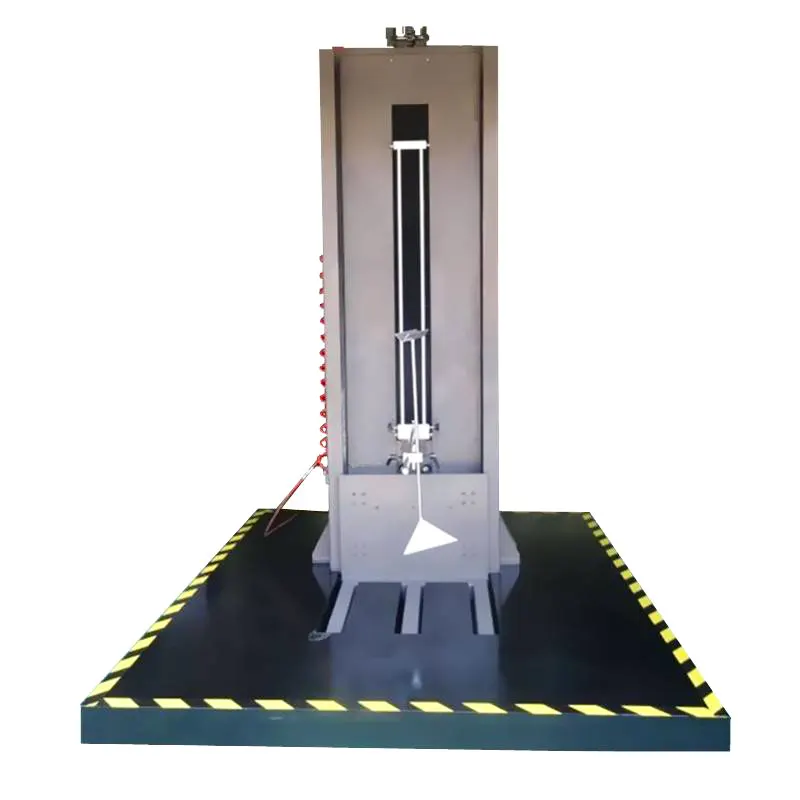
No. ISTA test procedures require specialized, dedicated equipment. You need a drop test machine, a vibration test system (typically electrodynamic for random vibration), and a compression tester. These can be operated as standalone ISTA test equipment or integrated and controlled by centralized software for automated sequential testing.
What’s the difference between ISTA 3A and ISTA 6-FEDEX tests?
ISTA 3A is a general simulation test for parcel delivery (under 70 kg). ISTA 6-FEDEX is a FedEx-specific protocol that includes unique drop sequences, vibration profiles, and often a over-the-road (OTR) vibration test which is more severe. Your ISTA testing equipment must be capable of programming and executing these distinct, pre-defined profiles.
How much does a full ISTA testing lab cost?
The cost of an ISTA test equipment lab varies significantly. A basic setup with a drop tester and vibration system can start between $3000 and $8000. A complete, integrated lab with a climate chamber and compression tester for full ISTA 3 Series compliance typically ranges from $10000 to $25000+. The final price depends on force capacity, automation level, and chamber size.
What is ISTA test equipment used for?
ISTA test equipment is used to simulate the shocks, vibrations, compressions, and climatic conditions that packages encounter during shipping and handling. This transport simulation testing validates whether your packaging can protect the product, helping to prevent damage, reduce costs, and achieve compliance with retailer and carrier requirements before shipment.
Do you offer support beyond equipment installation?
Absolutely. Our partnership includes comprehensive support: protocol selection, laboratory layout design, installation qualification (IQ), operational qualification (OQ), operator training, and ongoing technical support to ensure your lab remains a productive asset.
How do you ensure our lab stays current with evolving ISTA standards?
Our digital control platforms are software-upgradable. When ISTA or a major retailer publishes a revised test procedure, we provide software updates that add the new test profiles to your existing equipment, ensuring perpetual compliance.
Can one machine perform all ISTA tests?
No. ISTA protocols require a suite of specialized equipment: a Drop Tester, a Vibration System (for random vibration), and a Compression Tester. These are distinct systems that can be operated individually or integrated for automated testing sequences.
How do I choose the right grips for testing steel rebar and large specimens?
For high-force applications like rebar testing, hydraulic wedge grips are the standard and most reliable choice. Key selection criteria:
-
Capacity: Grips must be rated for the machine’s full force. Never use under-rated grips.
-
Jaw Face: Use serrated (v-groove) jaws for round rebar and flat knurled jaws for flat specimens.
-
Self-Alignment: Look for grips with spherical seating to ensure perfect axial alignment, which is critical for accurate results and preventing premature jaw breakage.
-
Safety: Ensure the grip design includes a safety shield to contain fragments in case of specimen failure. For very large diameters, custom split-collar grips may be required.