How Long Does the Packaging Validation Process Take?
The duration of the packaging validation process varies depending on the complexity of the tests and the type of packaging being assessed. It can range from several days to weeks. Factors influencing this timeline include the number of tests required, the materials being used, and any specific industry standards that must be met.
Who Should Use Packaging Validation Services?
Businesses involved in manufacturing and distributing products—from food and pharmaceuticals to electronics—can benefit from packaging validation services. Companies looking to enhance product safety, reduce returns due to packaging failures, and ensure compliance with regulations should consider working with a Packaging Validation Lab.
What Types of Tests Are Conducted in Packaging Validation Labs?
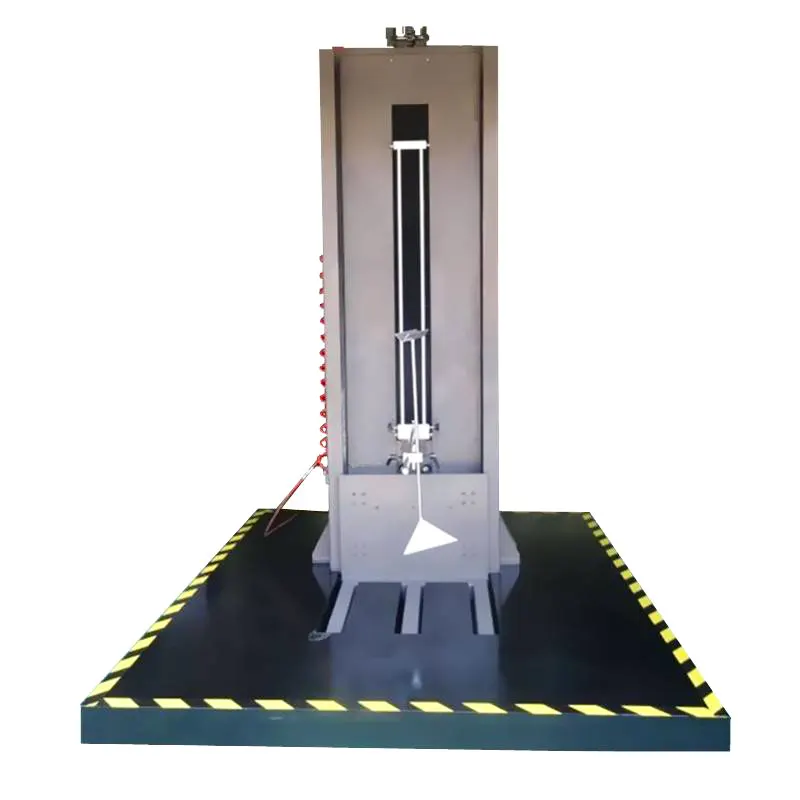
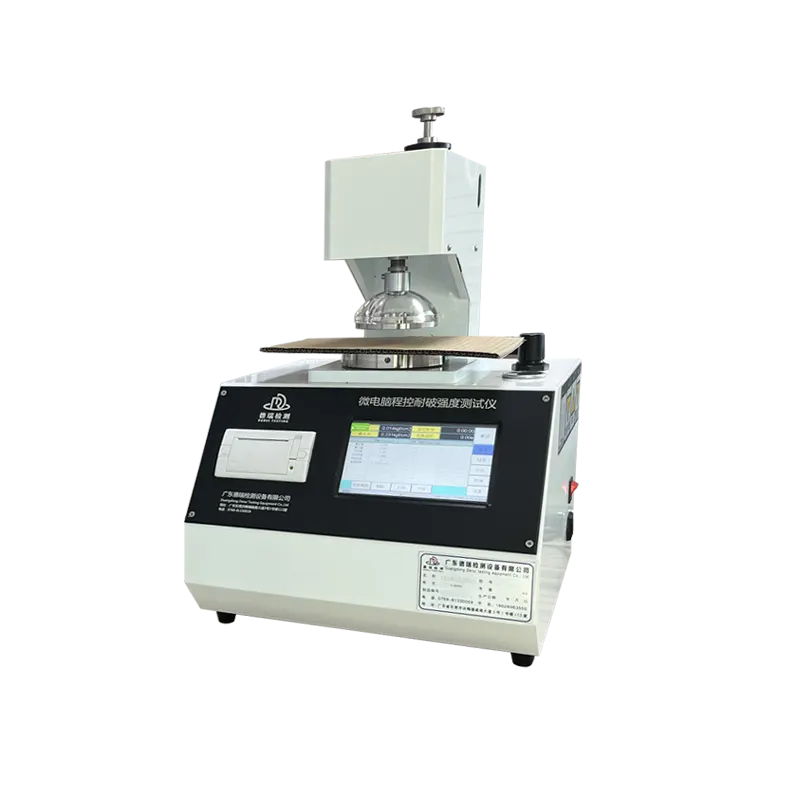
In Packaging Validation Labs, various tests are performed, such as mechanical tests (burst, compression, and drop tests), environmental tests (humidity, temperature, and light exposure), and transportation tests to simulate real-world shipping conditions. Additionally, labs may conduct microbiological tests for food packaging or compatibility tests for pharmaceuticals to ensure safety and efficacy.
Why is Packaging Validation Important?
Packaging validation is crucial to ensure that products are safeguarded throughout their lifecycle. It helps identify potential weaknesses in packaging that could lead to product spoilage or damage. Validation ensures that packaging materials can withstand physical, environmental, and chemical stresses, thereby maintaining product quality and safety, while also complying with industry regulations.
How do I validate a new packaging material?
Start with material-level tests (like compression or puncture resistance), then progress to prototype testing in a simulated distribution environment (drop, vibration) using the relevant ISTA or ASTM standard to validate the full system.
Can one machine perform both drop and vibration tests?
Typically, no. Drop testers and vibration testers are specialized pieces of packaging test equipment designed for fundamentally different mechanics. A complete packaging validation lab will include both.
What is the difference between ISTA and ASTM packaging tests?
ISTA procedures are performance-based protocols that simulate specific distribution environments (e.g., ISTA 3A for Parcel Delivery). ASTM methods are standardized test procedures (e.g., ASTM D4169 for truck/air shipping) that define how to perform a specific test. Many labs use both frameworks.
What payment methods do you accept for testing solutions orders?
We accept major credit cards (Visa, MasterCard, American Express), bank/wire transfers, and payments via secure platforms like PayPal. Enterprise clients may also request invoice-based payments.
What level of training and ongoing support can we expect after purchase?
We view training and support as fundamental to your success. Our standard offering includes comprehensive on-site installation and operational training for your team. Beyond this, we provide detailed user manuals, video tutorials, and a dedicated technical support portal. Our global network of engineers offers responsive remote assistance and prioritized on-site service, ensuring minimal downtime and continuous operational confidence throughout your system’s lifecycle.
How do you ensure the accuracy and longevity of your testing equipment?
Accuracy is rooted in our direct manufacturing approach: we design and control key components like the high-rigidity load frames, precision load cells, and control electronics in-house. Longevity is engineered through premium industrial-grade components and rigorous design based on deep application knowledge. We further support this with traceable calibration certificates and proactive service plans, ensuring your system delivers reliable performance throughout its entire service life.
What key global standards do your systems comply with?
Our systems are engineered and pre-validated to meet a comprehensive array of international and regional standards. This includes ASTM (American Society for Testing and Materials), ISO (International Organization for Standardization), EN (European Norms), ISTA (International Safe Transit Association for packaging), and GB/T (Chinese National Standards), among others. This ensures the test data you generate is recognized and respected in global markets.
What industries most commonly use these testing systems?
Our testing solutions serve a vast range of industries, including but not limited to: Aerospace & Defense (high-performance alloys), Automotive (component validation), Packaging (transport safety), Medical Devices (material biocompatibility), Electronics (connector durability, brittle component testing), Textiles & Nonwovens, Plastics & Composites, and Academic & Research Institutions.
Can one supplier reliably provide all different types of testing equipment I need?
Yes, partnering with a single supplier like Derui that offers a comprehensive portfolio provides significant advantages. It ensures data comparability across different tests, simplifies procurement and vendor management, provides a unified software interface, and enables consolidated technical support. This holistic approach facilitates building a cohesive, future-ready laboratory, avoiding the compatibility and service challenges that can arise from managing multiple vendors.
Frequently Asked Questions About Testing Systems & Solutions
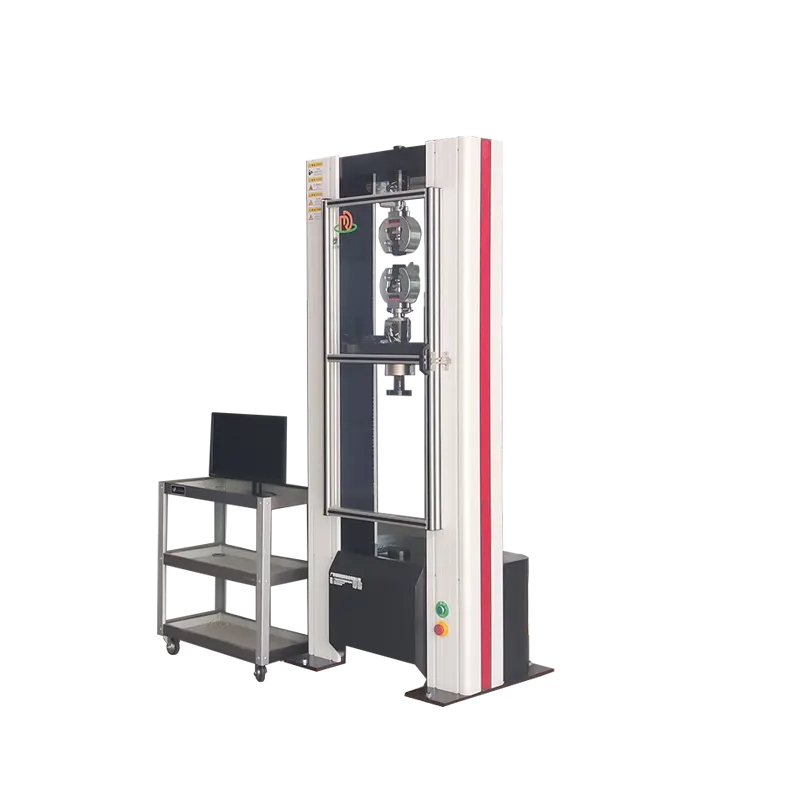
The choice depends entirely on your primary testing focus. Universal Testing Machines (UTMs) are versatile core instruments for measuring fundamental mechanical properties (tensile, compression, flexure, shear) of materials like metals, plastics, and composites. Packaging Testers are specialized systems designed to simulate distribution hazards (drop, vibration, compression) to validate container performance and product protection. Material-Specific Testers (e.g., burst testers, impact testers) offer efficient, standardized analysis optimized for particular industries or materials, such as paper, corrugated board, or elastomers.
Can testing systems be automated or integrated into a production line?
Absolutely. Many systems, especially in packaging validation and material-specific testing, are designed for automation. Options include robotic arm integration for sample handling, conveyor belt systems, and programmable logic controller (PLC) interfaces. This enables 100% inline inspection, dramatically increases throughput, and eliminates operator variance for critical quality control points.
How important is software in modern testing systems?
Software is the central nervous system. It controls test parameters, ensures compliance with standards (ASTM, ISO, etc.), captures high-fidelity data, performs automatic analysis, and generates traceable reports. Advanced software transforms raw machine output into actionable, audit-ready insights, making it as critical as the hardware itself for data integrity and lab efficiency.