What industries commonly use these testing systems?
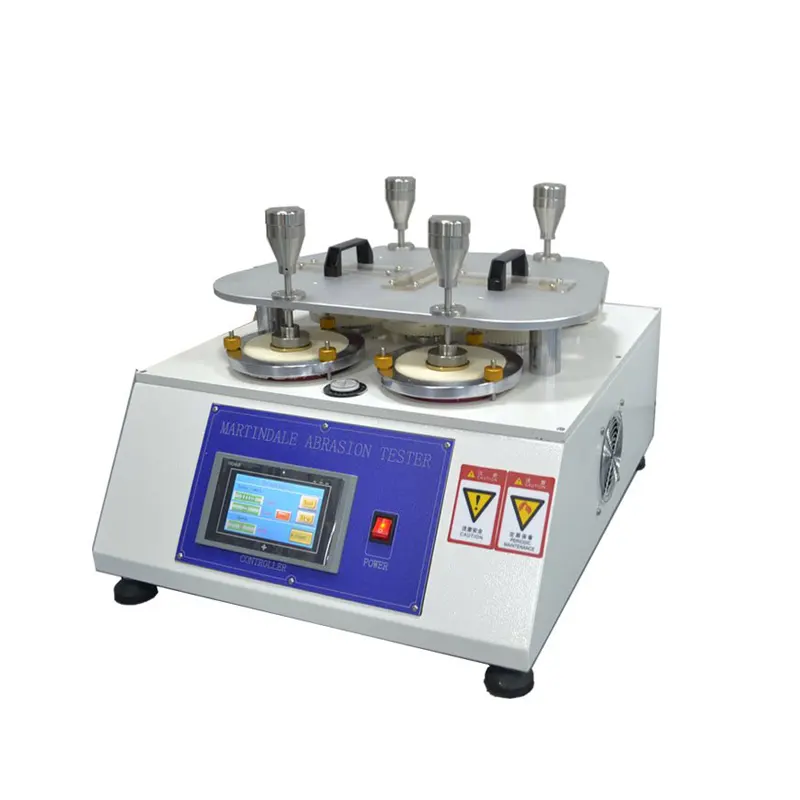
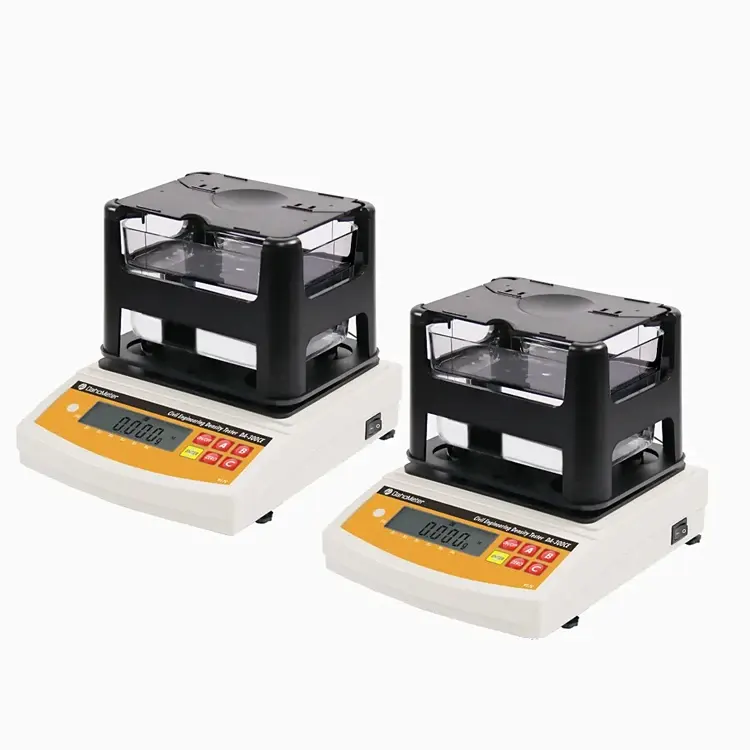
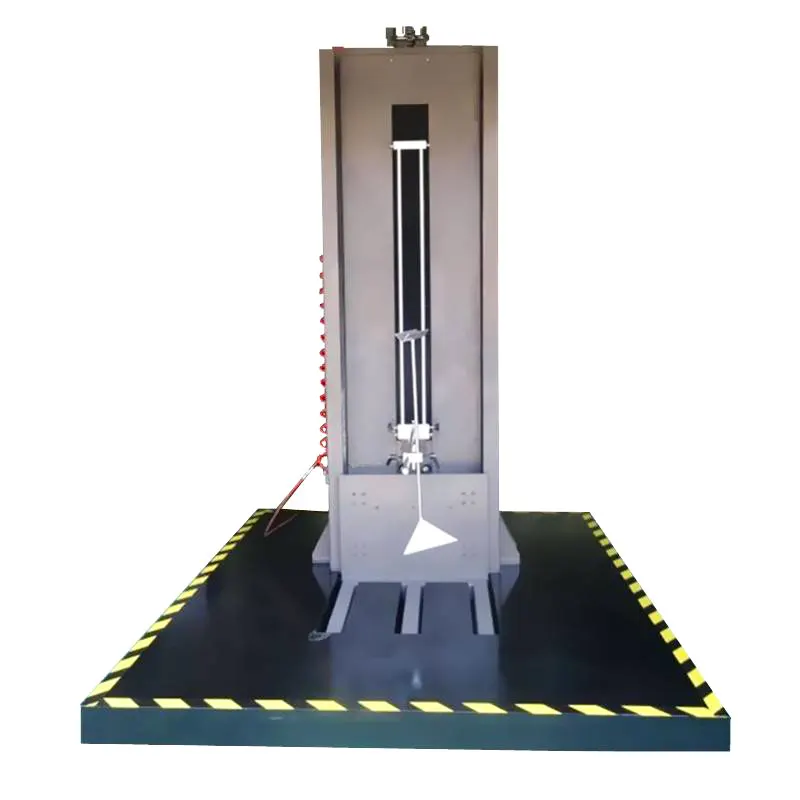
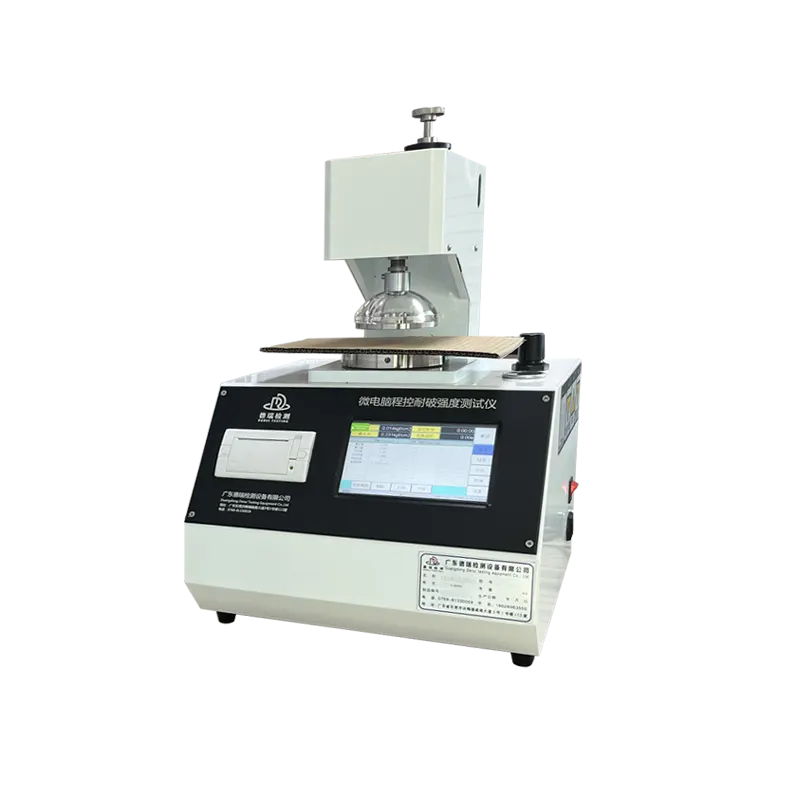
Virtually every manufacturing and R&D-driven industry utilizes them. Key sectors include: Aerospace & Automotive (for material and component validation), Packaging & Logistics (for distribution simulation), Medical Devices (for material biocompatibility and sterile packaging), Construction (for concrete and steel compliance), and Plastics & Consumer Goods (for quality control and innovation).
Can one supplier provide all different types of testing equipment?
Yes, and there is a significant advantage in doing so. A single, experienced supplier like Derui can provide an integrated portfolio—from UTMs to drop testers and specialized analyzers. This ensures consistency in data quality, simplifies procurement and service, and offers a cohesive understanding of your broader testing challenges across the product lifecycle.
How do I choose between material strength testing, packaging testing, and specific material testers?
The choice depends on your primary goal. Choose Material Strength Testing (UTMs) if you need to understand fundamental mechanical properties (tensile, compression, etc.) of diverse materials. Opt for Packaging Validation to simulate transport hazards and ensure your packaging protects the product. Select Material-Specific Testers for high-throughput, routine quality control on a single material type like paper, foam, or plastic, where standardized, efficient testing is key.
What are testing systems and solutions?
Testing Systems & Solutions refer to the integrated suite of precision equipment, software, and methodologies used to evaluate the properties and performance of materials, components, and finished products. This encompasses everything from universal testing machines for material strength to specialized systems for package durability and industry-specific compliance testing, ensuring quality, safety, and reliability from R&D to final production.
What after-sales support can we expect?
We provide comprehensive support: installation & on-site training, detailed operational manuals, annual calibration services, a readily available spare parts inventory, and ongoing technical support via email, phone, or remote session to ensure your lab’s continuous operation.
Do you provide fixtures for non-standard or custom sample shapes?
Yes. As a direct manufacturer, we specialize in custom fixture design for unique components, fasteners, textiles, or biomaterials. Our modular ecosystem allows us to engineer solutions for your specific gripping and fixturing challenges.
How important is software in a material testing system?
The software is the “brain” of the system. It controls the test, collects data, ensures standard compliance, and generates reports. Look for intuitive software that preloads test methods, allows custom analysis, and exports data easily for traceability and quality documentation.
What affects the price of a universal testing machine?
Key factors are: force capacity (kN), frame rigidity, measurement accuracy (load cell grade), sophistication of the control software, and included accessories. A basic benchtop tester is a cost-effective entry point, while a high-capacity, fully automated servo-hydraulic system with advanced analysis software represents a premium investment.
What is the difference between a tensile test and a compression test?
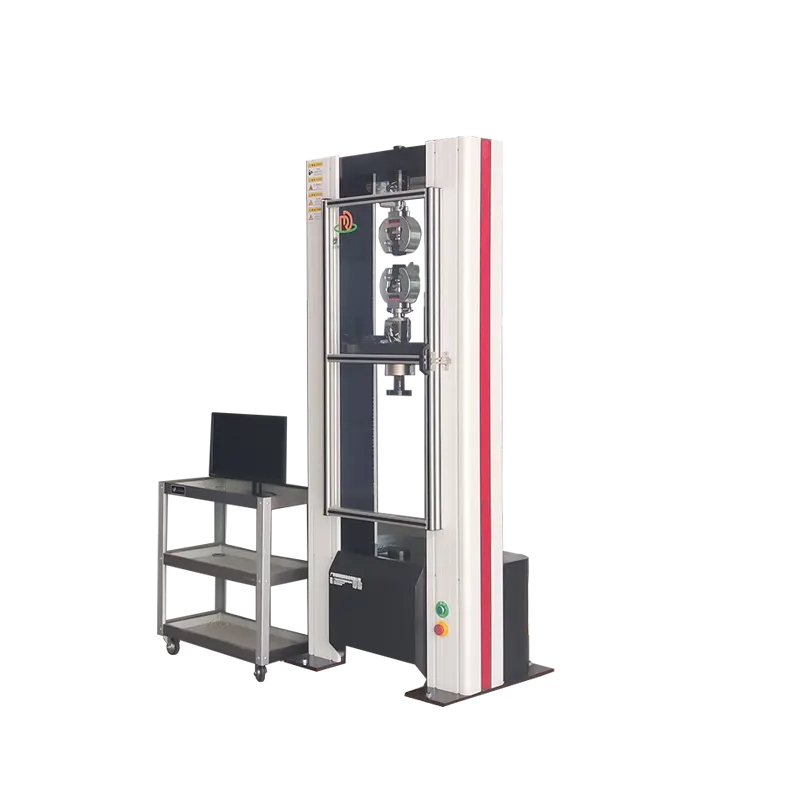
A tensile test pulls a specimen apart to measure its resistance to stretching. A compression test crushes or pushes a specimen to measure its resistance to crushing or buckling. Both are fundamental tests performed on the same UTM by changing the fixtures.
What standards do your testing systems comply with?
Our systems are validated and software-preconfigured for major global standards, including ASTM (E8, E9, D790, D638, etc.), ISO (6892, 604, 178, 527, etc.), EN, and GB/T. We ensure your test results are recognized worldwide.
Can I test plastics and polymers on the same machine as metals?
Absolutely. A true Universal Testing Machine (UTM) is designed for this. By switching to appropriate grips (e.g., roller grips for plastics) and using the correct standards (e.g., ISO 527 for plastics), one Derui UTM can accurately test everything from soft polymers to hard metals.
What is the best universal testing machine for metals testing?
For accurate metals testing (yield strength, tensile strength), you need a high-rigidity, floor-standing UTM with precise alignment and high-capacity load cells. Machines compliant with ASTM E8/ISO 6892 are essential. Explore our [Floor-Standing UTMs] for models designed specifically for metals and high-strength materials.
How to choose the right material strength testing machine for my lab?
Focus on your maximum force requirement, material types (metals, plastics, composites), and required tests (tensile, compression, flexure). Consider future needs and choose a modular Universal Testing Machine (UTM) that can expand. Our guide on “7 Key Factors When Choosing Material Strength Testing Equipment” provides a detailed checklist.
Can one machine test metals, plastics, and composites?
Yes. By changing fixtures and parameters, a single UTM can accurately test tensile, compression, and flexural properties of almost any solid material.
Can the equipment be upgraded if ISTA standards change?
Yes. Our ISTA test equipment is built on upgradable digital platforms. When ISTA or a major retailer (like Amazon or Walmart) publishes a revised test procedure, we provide a software update that adds the new profile to your existing controller, ensuring your lab remains compliant without costly hardware replacement.
How does the climate chamber integrate with the other tests?
In a fully integrated ISTA testing system, the climatic chamber is connected via master software. It can automatically run a preconditioning profile (e.g., 24 hours at high humidity), then signal the robotic conveyor or operator to transfer the package to the vibration table and drop tester for the next phase, all within one automated sequence.