
Derui is a specialized manufacturer and supplier of material testing equipment.Our products serve quality control, research, and development needs
across industries like aerospace, automotive, and manufacturing.
Specialized Material Testers: Targeted Solutions for Specific Materials
Material strength testing provides universal data, but specific industries demand precise, application-focused metrics. Specialized Material Testers deliver targeted analysis for distinct material families—Paper & Board, Foam & Cushioning, and Polymers (Rubber/Plastics). These instruments are engineered to execute dedicated international standards with high efficiency, offering the repeatable, industry-specific data required for confident quality control, R&D, and compliance.
Paper & Board Testing for Packaging & Product Integrity
Determine the critical strength and performance properties of paper, corrugated board, and packaging materials. Our dedicated equipment delivers precise data to optimize designs and prevent failures.
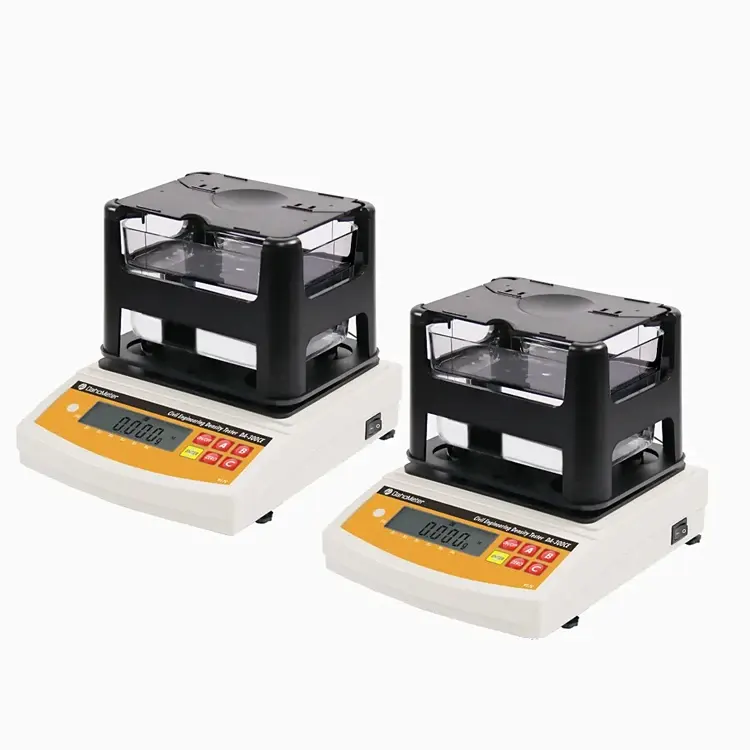
Foam & Cushion Testing for Comfort & Protection
Quantify the physical properties that define performance in seating, bedding, and protective packaging. From indentation hardness to long-term durability, obtain objective metrics for material selection and validation.
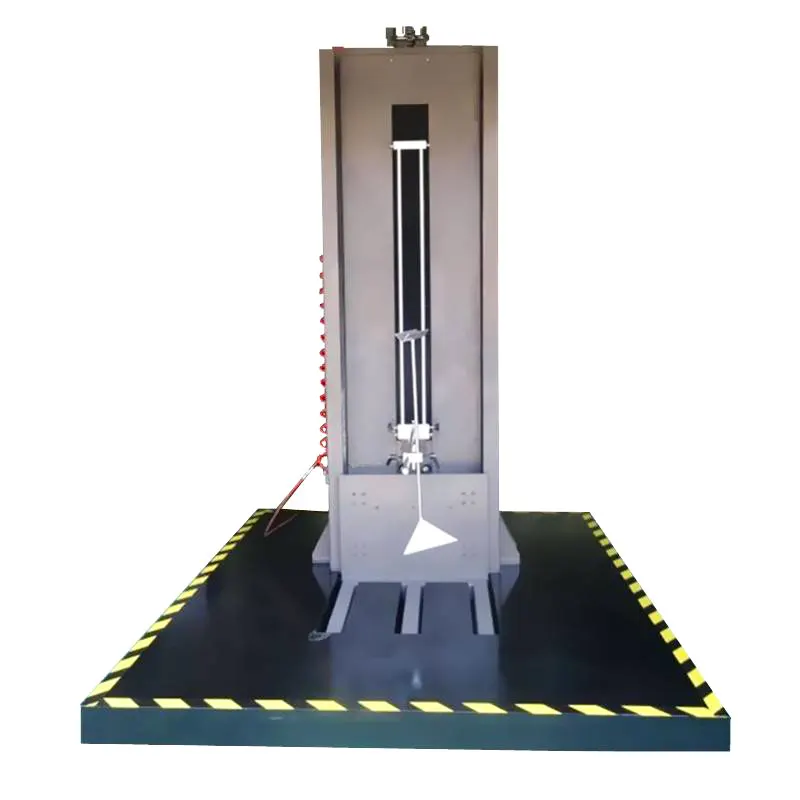
Polymer (Rubber & Plastic) Testing for Performance & Consistency
Characterize the essential properties of elastomers and thermoplastics. Ensure material consistency, process control, and end-product reliability through standardized tests for hardness, abrasion, flow, and more.
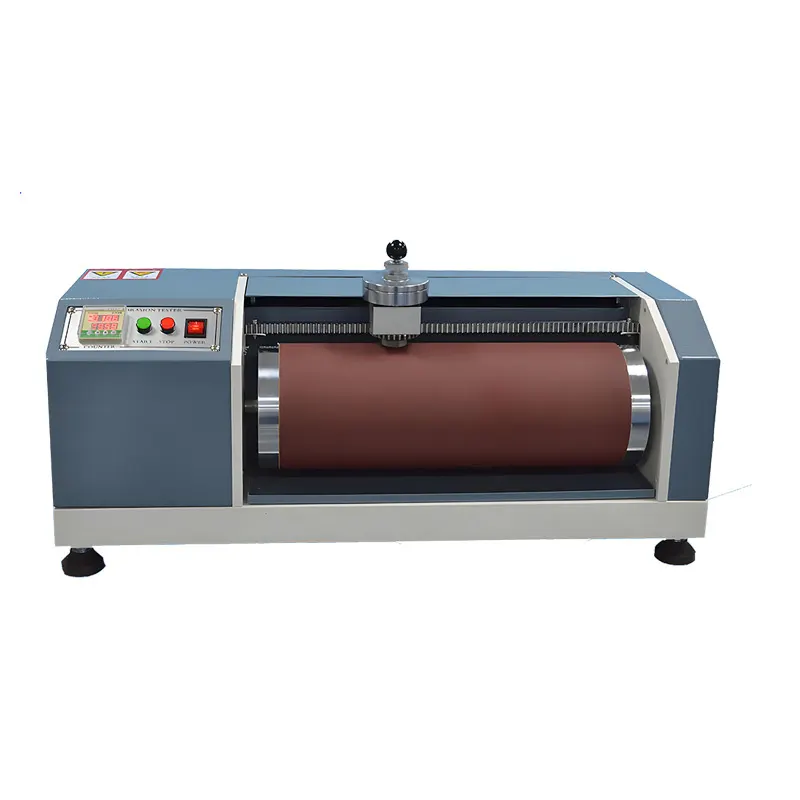
Why Choose Derui Specialized Material Testers?
Standards-Compliant by Design: Each instrument is pre-configured for key ASTM, ISO, TAPPI, and DIN standards, ensuring your methodology is recognized and your results are reliable from the first test.
Optimized for Efficiency & Simplicity: Purpose-built fixtures and intuitive software minimize setup time and operator training. Achieve higher throughput and consistent results with dedicated, “load-and-go” testing workflows.
Targeted Data Output: Move beyond raw force curves. Our testers calculate and report direct industry metrics—like Ring Crush Strength (RCT), Indentation Force Deflection (ILD), or Melt Flow Rate (MFR)—for immediate decision-making.
Built for Demanding QC Environments: Robust construction and stable calibration ensure instruments deliver repeatable performance day after day, standing up to the rigors of production line or laboratory quality control.
Packaging & Printing
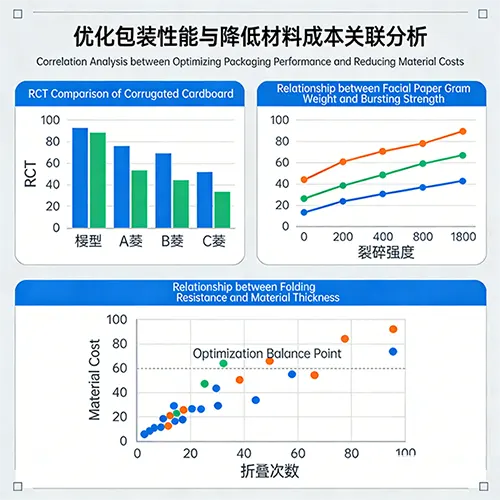
Validate the compression strength (RCT) of corrugated board, the burst strength of linerboard, and the fold endurance of paper to optimize packaging performance and reduce material costs.
Furniture & Bedding
Objectively grade foam for seating and mattresses using indentation hardness (ILD/CLD) and durability (compression set) testing to ensure comfort specifications and longevity are met.
Automotive & Aerospace
Characterize rubber compounds for seal hardness, elastomer tensile strength, and plastic component impact resistance to meet stringent safety and performance specifications.
Consumer Goods & Footwear
Test the abrasion resistance of shoe soles, the hardness of rubber grips, and the tear strength of composite materials to ensure product durability and quality.
Specialized material testers are advanced instruments designed to evaluate the mechanical, physical, and chemical properties of materials under controlled conditions. These precision devices measure critical parameters such as tensile strength, hardness, elasticity, impact resistance, and fatigue life to ensure materials meet industry standards and performance requirements。
Common types include universal testing machines for tensile and compression tests, hardness testers (Rockwell, Brinell, Vickers), impact testers (Charpy, Izod), and fatigue testers. They are essential in industries like aerospace, automotive, construction, and manufacturing, where material reliability directly impacts safety and product quality. Modern testers often feature digital controls, automated data acquisition, and software integration for real-time analysis and compliance reporting, enabling engineers to make data-driven decisions in material selection and quality control processes。
Key Considerations for Your Material Testing Equipment
Selecting the right specialized tester involves evaluating several interconnected factors to ensure the equipment fits your specific operational and business needs.
Identify the primary material type (e.g.,corrugated board, flexible polyurethane foam, silicone rubber) and its end-use application. This dictates the critical physical properties you need to measure.
Frequently Asked Questions About Specialized Material Testers
For sensitive industries like medical or food packaging, are the equipment materials compliant with relevant contact regulations?
Yes. For parts that may contact samples (e.g., platens, fixtures), we can provide options made from materials compliant with regulations such as FDA 21 CFR upon request. Please inform our sales engineers of your specific industry and compliance requirements during consultation.
Can your testing software integrate with our existing Laboratory Information Management System (LIMS)?
Yes. The software for our advanced models supports data export in universal formats (e.g., CSV, PDF) and data transmission via standard interfaces (e.g., RS-232, Ethernet). For deep integration needs, our engineering team can provide an SDK or work collaboratively to enable seamless connectivity with your LIMS.
Our lab space is limited. What are the dimensions and utility requirements for your equipment?
Most benchtop specialized testers are designed to be compact, requiring only standard desk space and a 220V power outlet. Some high-capacity units (e.g., large board compression testers) may require a stable floor foundation. During the quotation process, we provide detailed specification and site preparation guides, including dimensions, weight, and power/air requirements to help you plan ahead.
Can test data from different brands or models of specialized testers (e.g., foam hardness testers) be compared?
If all testers strictly adhere to the same international standard (e.g., ASTM D3574) and are properly calibrated, data should theoretically be comparable. However, minor differences in fixtures, software algorithms, or sensor types can introduce slight variances. For strict comparisons, we recommend cross-verification using a common reference material across all devices.
How can we verify the accuracy of your tester against our internal standards?
We offer two primary methods: 1) Traceable Calibration: All instruments come with a standard calibration certificate traceable to NIST or equivalent national metrology institutes. 2) Correlation Testing: We encourage and support customers to perform correlation tests using their own known reference materials on our equipment to visually verify data consistency and reliability.
Can your testers generate reports suitable for supplier audits or regulatory compliance?
Yes. Our advanced software doesn’t just collect data; it generates complete, standards-compliant test reports. These include key parameters, test curves, statistics, and operator information, which can be archived or printed, providing full traceability for quality audits and supplier certifications.
For a new lab, should we invest in a UTM or a specialized tester first?
This depends entirely on your testing scope. If your work involves varied materials and exploratory R&D, a UTM offers necessary flexibility. If your core activity is routine quality control on a specific material (e.g., testing every batch of incoming foam), starting with a specialized tester provides immediate efficiency, accuracy, and a faster return on investment.